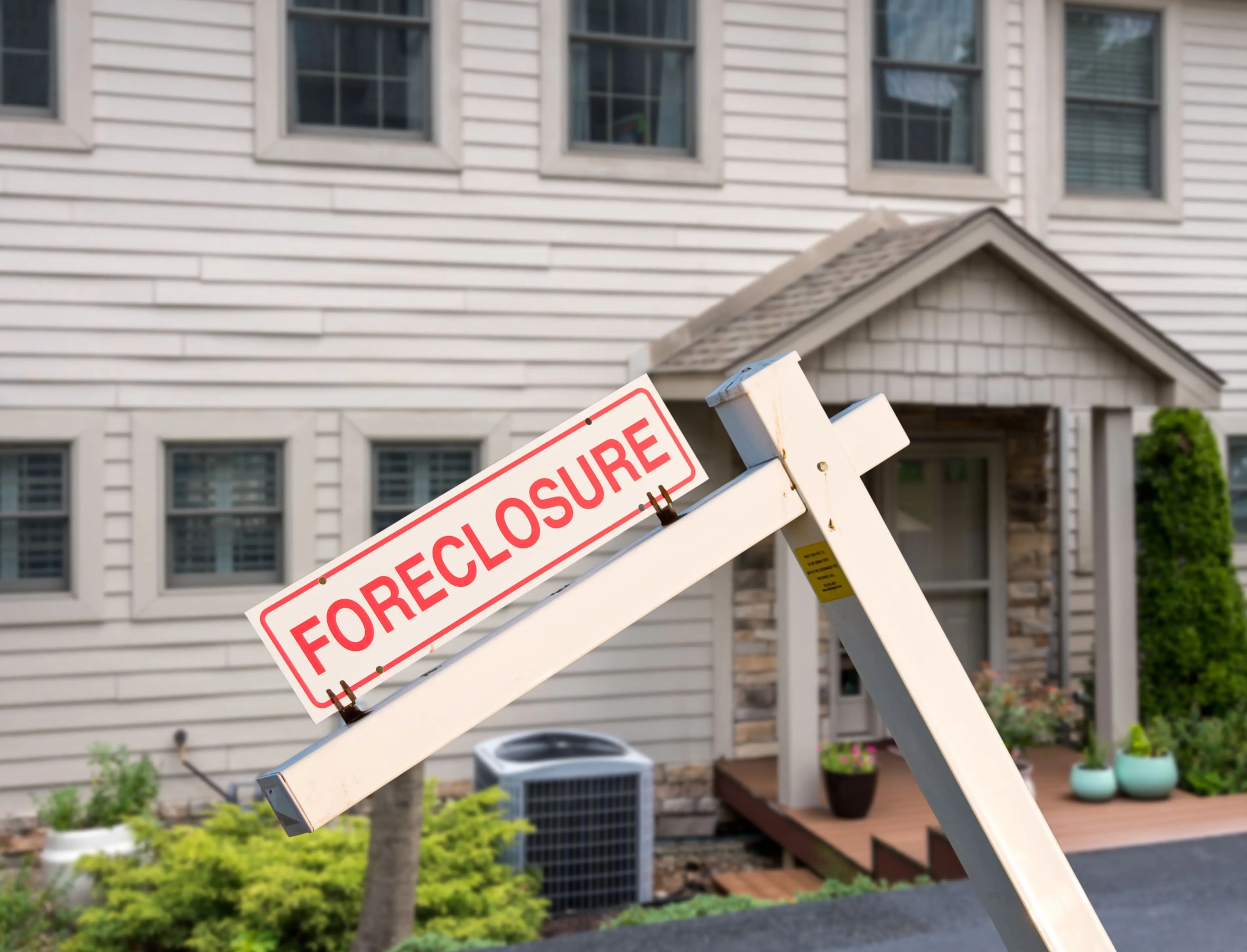
You bought your Tampa home between 2020 and 2023 thinking you'd made a smart investment. Now you're staring at foreclosure notices because selling would cost you more than staying.
Tampa just became America's foreclosure capital, and the data tells a brutal story about homeowners trapped by circumstances they never saw coming.
Tampa leads the nation in foreclosures - here's the shocking data
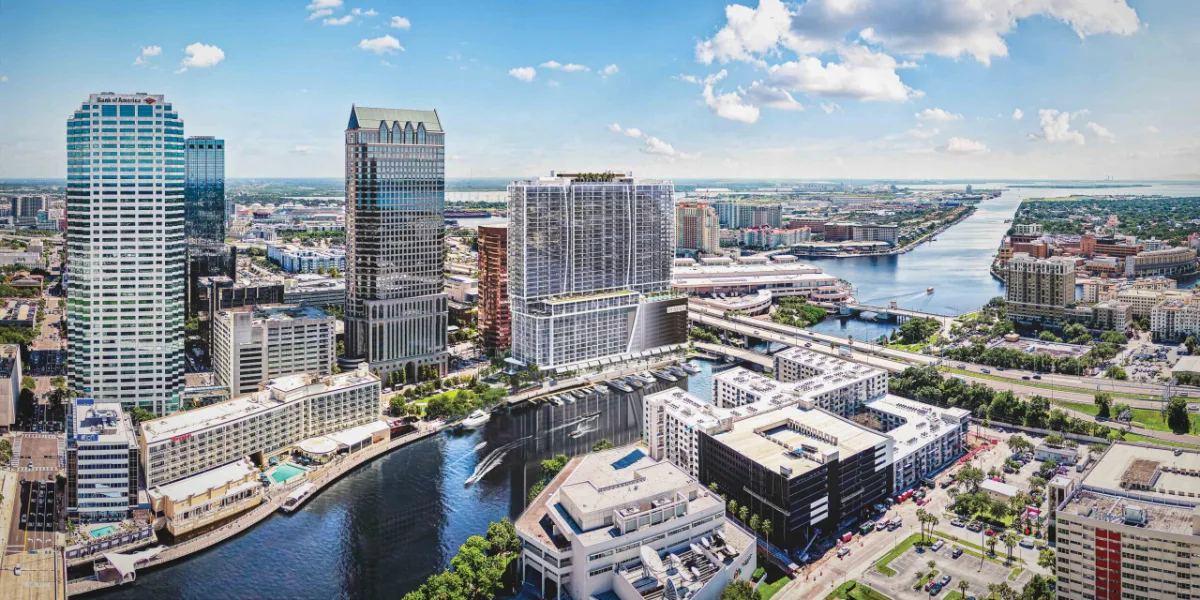
Tampa's metropolitan area recorded 632 total foreclosure filings in November 2025, with Hillsborough County accounting for 321 of those filings, followed by Pinellas County with 157, Pasco County with 118, and Hernando County with 36. That puts Tampa first among large metro areas, with one in every 1,373 housing units facing foreclosure.
Florida posted the nation's highest foreclosure rate at one in every 1,829 homes, but Tampa's situation is worse than anywhere else in the country. Foreclosure filings nationwide are up 19% from a year ago, marking the eighth straight month of annual increases.
To put this in perspective: there's been a doubling in the amount of short sales and foreclosures since the beginning of 2025. This isn't a slow deterioration - it's an acceleration.
"By the time we get that net sheet, they're negative. They can't sell; they can't afford the property." - St. Petersburg Realtor Mia Annibale
The math that's destroying Tampa Bay homeowners
Here's why selling isn't saving people: many sellers would need to bring roughly $10,000 to the closing table to avoid a short sale. Real estate professionals report that some homeowners are learning their property would sell for roughly the same price they paid.
The numbers are unforgiving. The average Tampa home value is $376,278, down 4.2% over the past year. Meanwhile, the median sale price was $451K over the last 3 months, up 1.3% since the same period last year. That disconnect between asking prices and actual values is creating a brutal reality for sellers.
The cost stack that's breaking budgets:
- Property insurance: Average homeowners insurance in Florida is now more than double the national average, with some reports estimating over $5,000-$6,000 per year for a typical home, with premiums up more than 30-40% since 2022
- HOA fees: Rising reserve requirements are pushing monthly fees higher across Tampa Bay
- Property taxes: Assessments have climbed alongside the market surge
- Maintenance costs: Rapidly rising insurance premiums, property taxes, homeowners association fees, and maintenance costs, particularly for older properties, have increasingly strained household budgets in the Tampa area
Why 2020-2023 buyers are trapped
Many families who purchased homes during Tampa Bay's 2020 to 2023 market are discovering that selling is not an easy way out. They're caught in a perfect storm of circumstances:
Households who bought near local peaks with modest down payments often lack the equity cushion to pay agent commissions, transfer costs, and repairs without taking a loss. If insurance and HOA bills jump at the same time, the math breaks.
For homeowners who bought at the peak, that combination of high payments plus falling values can be deadly. National data shows nearly 900,000 newer homeowners are now underwater, owing more than their homes are worth, with parts of Florida like Cape Coral and North Port called out as trouble spots. Being underwater makes it much harder to sell or refinance your way out of trouble.
Get a realistic net sheet NOW. Have your agent model actual sale proceeds after all commissions, repairs, and closing costs. If you can still sell without bringing cash to closing, that window may not stay open much longer.
The backlog factor - it's worse than the headlines suggest
Tampa's sharp rise partly reflects the resumption of data collection in Hillsborough County and the addition of backlogged filings. Housing analysts expect Tampa's numbers to stabilize once Hillsborough County clears its backlog of filings.
But here's what the "backlog" story misses: Hillsborough County's resumption of data processing pushed a tranche of delayed filings into the October numbers. That makes Tampa look worse on a single-month basis than the underlying trend alone would suggest.
Even accounting for administrative delays, the underlying stress is real. Tampa's ranking among metropolitan areas with populations exceeding one million has caught the attention of local real estate professionals, with local experts pointing to affordability issues as a primary factor behind the foreclosure data.
What sellers need to know right now
Filing paperwork doesn't necessarily mean a property will face foreclosure. Data shows 778 releases of lis pendens in November, with 260 involving banks. A release means the foreclosure filing was resolved. People are working it out through refinancing, restructuring, or loan modifications.
But you need to act before you're in crisis. Call the servicer early to explore forbearance, repayment plans, or loan modification before legal timelines start. Options shrink once the file is in motion.
For sellers who still have equity: Have your agent and title company model a realistic sale price after commissions, credits, and repairs. If you can still sell cleanly, act decisively.
The honest take on Tampa's foreclosure surge
This isn't 2008. Credit quality and equity cushions are far stronger now. The current rise looks like normalization from artificially low distress levels, with localized stress where ownership costs surged.
Activity remains well below historic highs. The current trend appears to reflect a gradual normalization in foreclosure volumes as market conditions adjust and some homeowners continue to navigate higher housing and borrowing costs.
But for individual homeowners facing this reality, the macro trends don't matter. What matters is whether you can afford your home's total monthly costs - mortgage, insurance, taxes, HOA fees, and maintenance - in today's economic environment.
If you bought in Tampa Bay between 2020 and 2023 and you're feeling stretched, you're not alone. The data shows thousands of your neighbors are facing the same calculation. The key is getting ahead of the problem before it becomes a crisis.
Want to understand where you stand? Let's run the numbers on your specific situation. No pressure, just clarity on your options.