Everyone chasing new construction in Tampa Bay is looking south and east. Manatee County. Wesley Chapel. Riverview. Those are the growth corridors everyone talks about, and the permit data backs it up.
But here's the question almost nobody is asking: what happens to the markets where builders can't build?
Pinellas County issued just 458 residential permits in 2025. That's the entire county - Clearwater, St. Petersburg, Dunedin, Largo, Seminole, all of it. Meanwhile, Manatee broke ground on a single master-planned community larger than most Pinellas permit totals. If you're a buyer trying to figure out where your dollar holds its value the longest, that gap is the most important number in Tampa Bay real estate right now.
Why Pinellas can't build its way out of a supply problem
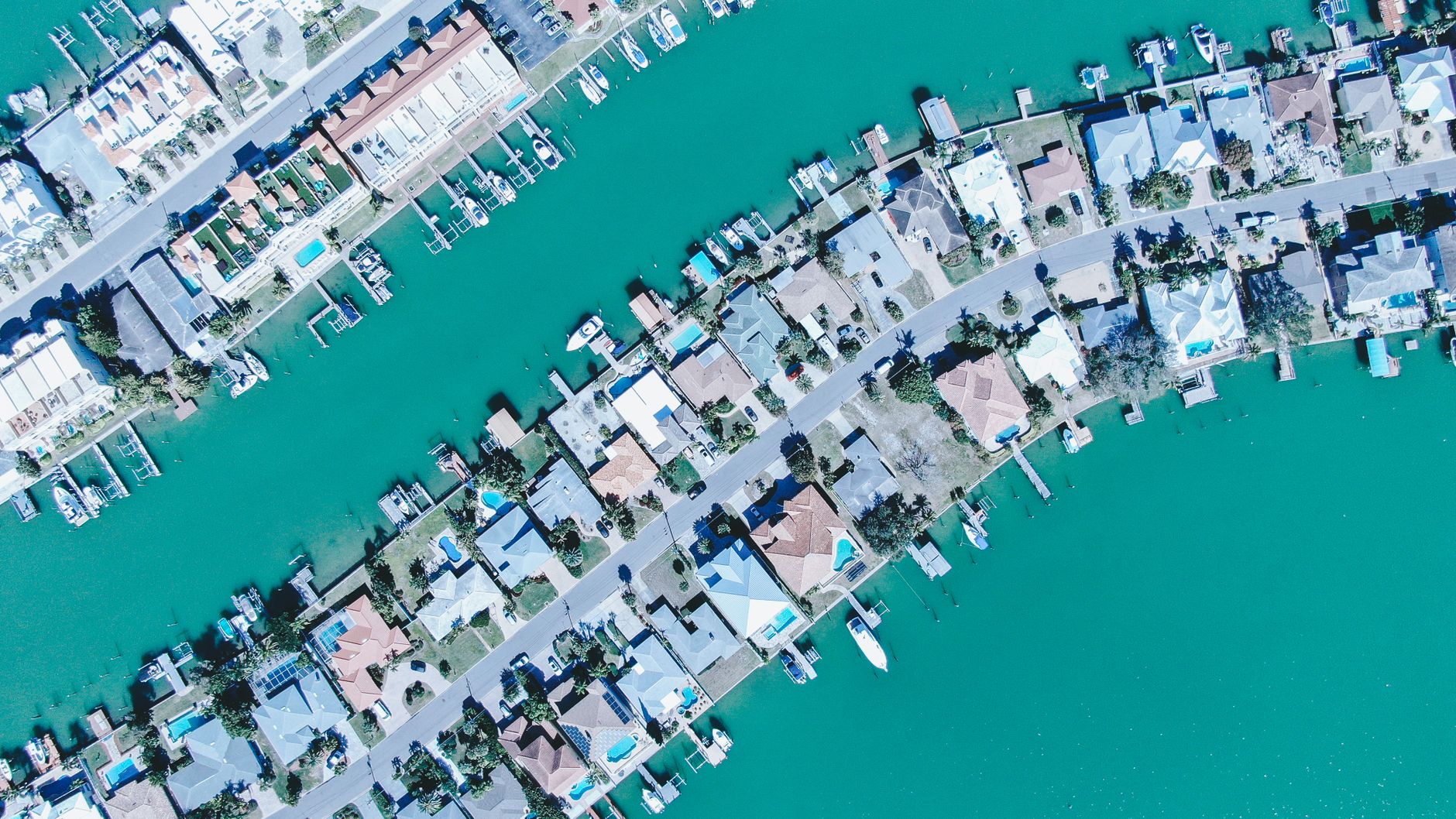
This isn't a regulatory story. It's a geography story. Pinellas County is surrounded on three sides by water - Tampa Bay to the east, the Gulf of Mexico to the west, and Boca Ciega Bay threading through the middle. There is no suburban fringe to expand into. No vacant land waiting for a D.R. Horton subdivision. The county's footprint is fixed, and that means its housing supply is structurally capped in a way that no other Tampa Bay county can claim.
The jump to 458 permits in 2025 - more than double the 2021 level - sounds significant until you realize almost all of it is infill redevelopment and higher-density projects, not new single-family neighborhoods. A duplex replacing a teardown in Clearwater adds one unit to supply. A 4,000-home community in west Bradenton adds an entirely different weight to a market.
That distinction matters enormously for long-term value. When builders flood a market, they create pricing competition for every resale seller nearby. In Manatee right now, a resale homeowner isn't just competing with other resale sellers - they're competing with DR Horton, Pulte, and Lennar, all offering rate buydowns, closing cost credits, and design center upgrades. Pinellas sellers face no such structural competitor.
Estate Vida Tip
If you're comparing a resale home in St. Petersburg or Dunedin against a new build in Bradenton or Wesley Chapel, factor in the builder incentive math carefully. A 2/1 buydown on a new construction home is worth roughly $150-$200/month for two years - then it expires. The scarcity premium on a Pinellas resale doesn't expire.
What the permit gap actually predicts about future pricing
Supply and demand is easy to say and hard to feel in real time. Here's how to make it concrete: markets with constrained supply and stable demand don't correct the same way oversupplied markets do.
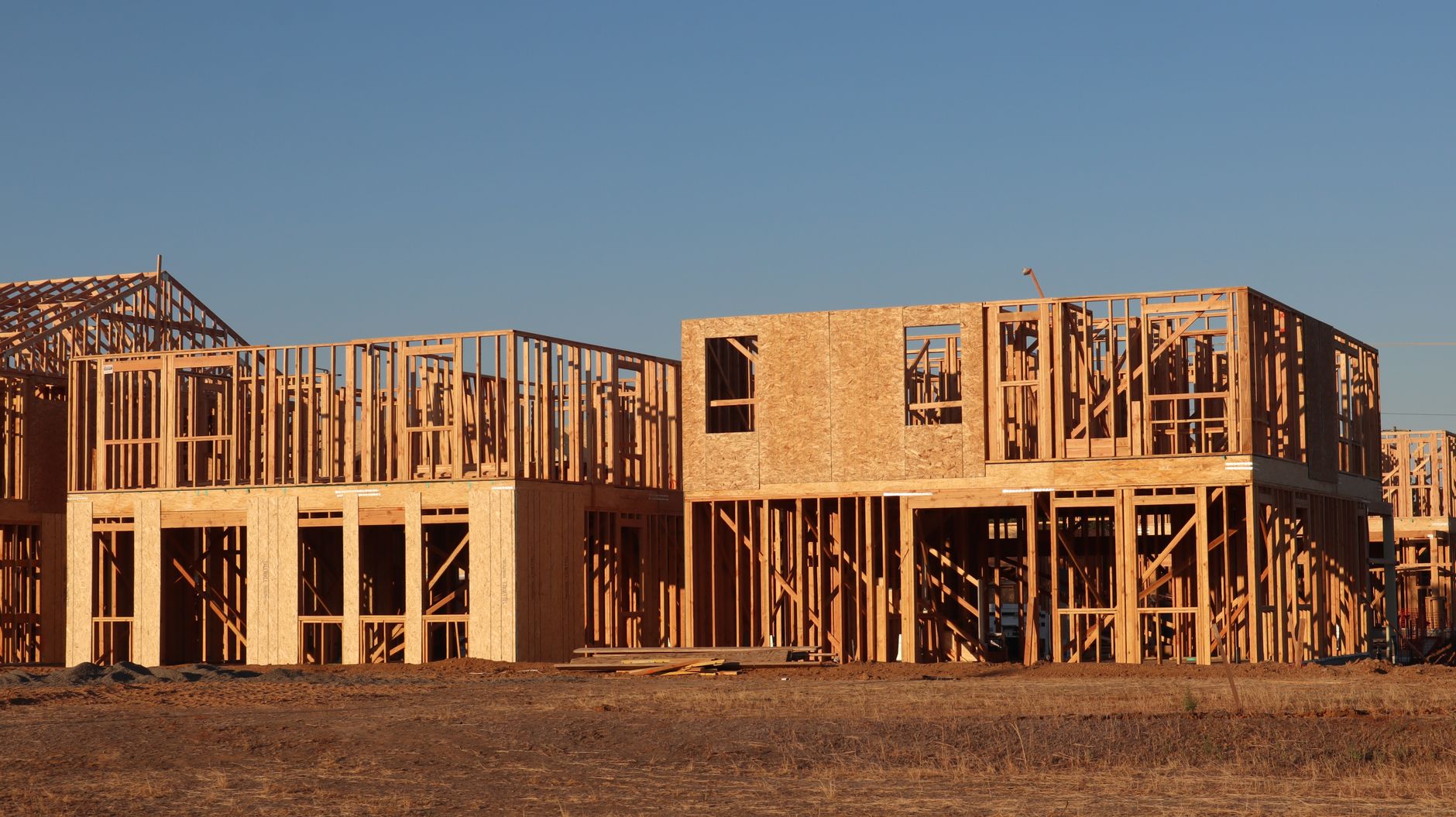
Polk County is the cautionary example on the other end of the spectrum. Builders overcommitted ahead of demand, distressed inventory is now a real headwind, and price normalization is ongoing. Manatee faces a different but related question - SeaFlower alone is a 4,000-home master-planned community that broke ground in west Bradenton in 2025, the first development of that scale in the area in over two decades. The market is absorbing it, but the volume of new supply puts a ceiling on how fast resale prices can climb.
Pinellas faces none of those headwinds. Median prices in Pinellas near $375,000 with an inventory picture that simply can't replicate what's happening in Manatee. The county's 458 permits represent a quiet, steady infill cadence - not a supply wave. And because almost all of that new activity is higher-density or redevelopment, it's not adding the same inventory pressure that suburban tract construction does.
The county with the least room to build is often the county with the most room to hold value.
Estate Vida Tip
When evaluating Pinellas listings, look for properties that have already absorbed their post-hurricane insurance reset. Homes in Dunedin, Gulfport, and South St. Pete that sold after October 2024 likely have updated 4-point inspections and wind mitigation reports already on file - that documentation cuts insurance quotes significantly and gives you a real number to underwrite before making an offer.
The data point that should stop buyers from overthinking this
Tampa's metro-wide median home price is down 1.4% year-over-year per Redfin's most recent data. That's the headline most buyers and sellers are processing right now. But the same dataset shows Tampa's median price per square foot is up 8.2% year-over-year.
Those two numbers feel contradictory until you understand what's driving them. The homes selling are smaller and more efficiently sized. The price-per-foot premium is holding even as the raw median slips. That's not a market in freefall - that's a market repricing around what buyers can actually afford at current rates, while the underlying land value and cost-to-replace metrics stay firm.
In Pinellas specifically, that repricing story plays differently than in Hillsborough or Manatee. You can't replace a Dunedin bungalow or a Seminole-adjacent ranch home with new construction at any price, because there's no land to build it on. That replacement cost floor is one of the few genuine valuation anchors left in this market.
I've watched buyers spend months comparing Pinellas resales to Manatee new construction, always drawn back to the shiny finish packages and builder incentives down south. What they often miss is that builder incentives are a sales tool, not a market signal. Builders offer buydowns when they need to move inventory. The need to move inventory is itself a data point about that market's supply-demand balance.
Estate Vida Tip
Run this comparison before you decide: take the builder's all-in monthly payment (after buydown) on a Manatee new build, then model year three when the buydown expires and rates haven't moved. Then run the same number on a Pinellas resale at today's rate with no buydown. The gap often closes faster than buyers expect - and Pinellas gives you the scarcity protection Manatee doesn't.
The risk side of the Pinellas thesis
This isn't a one-sided case. Pinellas has real risks that don't apply to inland counties, and ignoring them would be intellectually dishonest.
- Flood exposure: Coastal and near-coastal properties in Pinellas carry FEMA flood zone designations that add meaningful cost. Risk Rating 2.0 has already repriced flood insurance for thousands of properties, and that repricing isn't finished. Anything in a Zone AE or VE requires a flood insurance quote before making an offer - not after.
- Insurance premiums: Wind exposure on the Gulf side is real. A 4-point inspection that reveals a roof over 15 years old is increasingly a deal-breaker not because of the repair cost, but because of what it does to insurance availability. Know your roof age before you fall in love with the kitchen.
- The lock-in effect cuts both ways: Many Pinellas homeowners are sitting on 3-4% mortgages and simply won't sell. That reduces available inventory further, which is great for value retention but means you're competing harder for what does come to market.
The buyers who get hurt in Pinellas are the ones who skip the insurance and flood zone due diligence because the neighborhood charmed them. The buyers who win are the ones who underwrite all the carrying costs first and then fall in love with the property.
Estate Vida Tip
Before writing any Pinellas offer, get two insurance quotes - one from a private carrier and one Citizens baseline - and confirm the flood zone on FEMA's map service center at msc.fema.gov. A property that looks like a deal at $399,000 can become a poor buy at $5,800/year in combined premiums. Get the number before you negotiate the price.
My read on this
The narrative around Tampa Bay right now is mostly about the markets where things are happening loudly - the builder incentives in Manatee, the condo reset in St. Pete, the price cuts in Polk. Pinellas doesn't make that noise, which is exactly why I'd be paying closer attention to it.
I'd focus specifically on the inland Pinellas corridors - Seminole, mid-Clearwater, the edges of Largo - where flood exposure is lower, the price points are more accessible than coastal Dunedin or St. Pete Beach, and the geographic constraints still apply. Those neighborhoods don't get written about much. That's usually a good sign.
What I'd watch carefully: insurance approvals. The single biggest friction point in Pinellas transactions right now isn't price negotiation - it's getting a clean 4-point and landing a private carrier before Citizens becomes the only option. Buyers who solve that problem early control the deal. Buyers who discover it at closing don't close.
I wouldn't chase waterfront or beach-adjacent in Pinellas right now unless the insurance math genuinely works at your budget. But for inland Pinellas single-family homes with a roof under 10 years old? That's where I think the structural scarcity argument is cleanest and the risk is most manageable.
Questions I'm hearing
Is Pinellas County a good place to buy a home in 2026?
For buyers focused on long-term value retention, yes - but due diligence on flood zones and insurance is non-negotiable before any offer. Pinellas can't build its way to oversupply, which protects values in ways that high-growth counties can't match. The risk is in carrying costs, not market fundamentals.
Why is new construction cheaper in Manatee than resale in Pinellas?
Manatee has abundant land and active builders competing for buyers, which puts downward pressure on new construction pricing and forces incentives like rate buydowns. Pinellas has almost no buildable land, so its supply is fixed and sellers face no builder competition. Different supply dynamics produce different price behavior - that's the entire story.
Are Tampa Bay home prices dropping in 2026?
Metro-wide, prices are down modestly - roughly 1.4% year-over-year for Tampa proper per Redfin. But price-per-square-foot is up 8.2% in the same period, and county-level results vary sharply. Pinellas, Hillsborough's core, and South Tampa are holding differently than Polk or outer Manatee. The metro average is the worst tool for making a neighborhood decision.
Curious how a specific Pinellas neighborhood or zip code pencils out with the full insurance and flood zone math included? I'll pull the actual numbers and send them over. No sales pitch - just local data you can actually use.