Everyone is focused on the purchase price. The interest rate. Maybe the insurance quote. But in Tampa Bay's condo market right now, the number that could actually break the deal - or break your budget after closing - isn't on the listing sheet at all.
Florida's new condo reserve funding law hit its full compliance deadline on January 1, 2026. Most condo buyers in Tampa Bay have heard of it in a vague way. Almost none of them understand what it actually means before they make an offer. That gap is where the risk lives.
Here's the thesis: the cheapest-looking condos in Tampa Bay right now may be the most expensive ones you can buy. And until you understand why, you're shopping blind.
What the reserve law actually changed - and why 2026 is different
After the 2021 Champlain Towers collapse in Surfside killed 98 people, Florida lawmakers passed SB 4D, requiring condo associations in buildings three stories or taller to complete milestone structural inspections and fully fund reserves based on a Structural Integrity Reserve Study (SIRS). No more waiving reserve contributions. No more kicking maintenance down the road.
For decades, many Florida condo boards voted every year to waive reserves - meaning owners paid lower monthly fees while the building quietly fell behind on its financial obligations. January 1, 2026 ended that. Associations that never funded reserves now have to catch up fast, and the only mechanism available is a special assessment charged to every unit owner.
The numbers aren't abstract. One association manager described a building needing $4.17 million to catch up in year one alone, with ongoing reserve contributions adding $750 per unit per month on top of standard HOA fees. In buildings where units are worth $150,000 to $300,000, that math leads somewhere alarming: special assessments that approach or exceed the value of the unit itself.
Estate Vida Tip
Before making any offer on a Tampa Bay condo, request the Structural Integrity Reserve Study, the most recent budget, and the meeting minutes from the last 12 months. If the seller or listing agent can't produce all three within 48 hours, that's the answer you need.
Why Tampa Bay is absorbing this harder than anywhere else
Tampa didn't just get hit by the reserve law. It got hit by the reserve law on top of post-hurricane repair costs, on top of an insurance market that has been repricing Florida risk for three years. Those forces compound.
Tampa Bay saw HOA fees jump 17.2% year over year - the steepest increase of any market in the country. That's not a rounding error. That's a structural shift in what it costs to own a condo here. For context, Miami-Dade median monthly fees went from $567 in 2019 to $900 in 2024. Tampa's trajectory is following the same curve, just arriving faster.
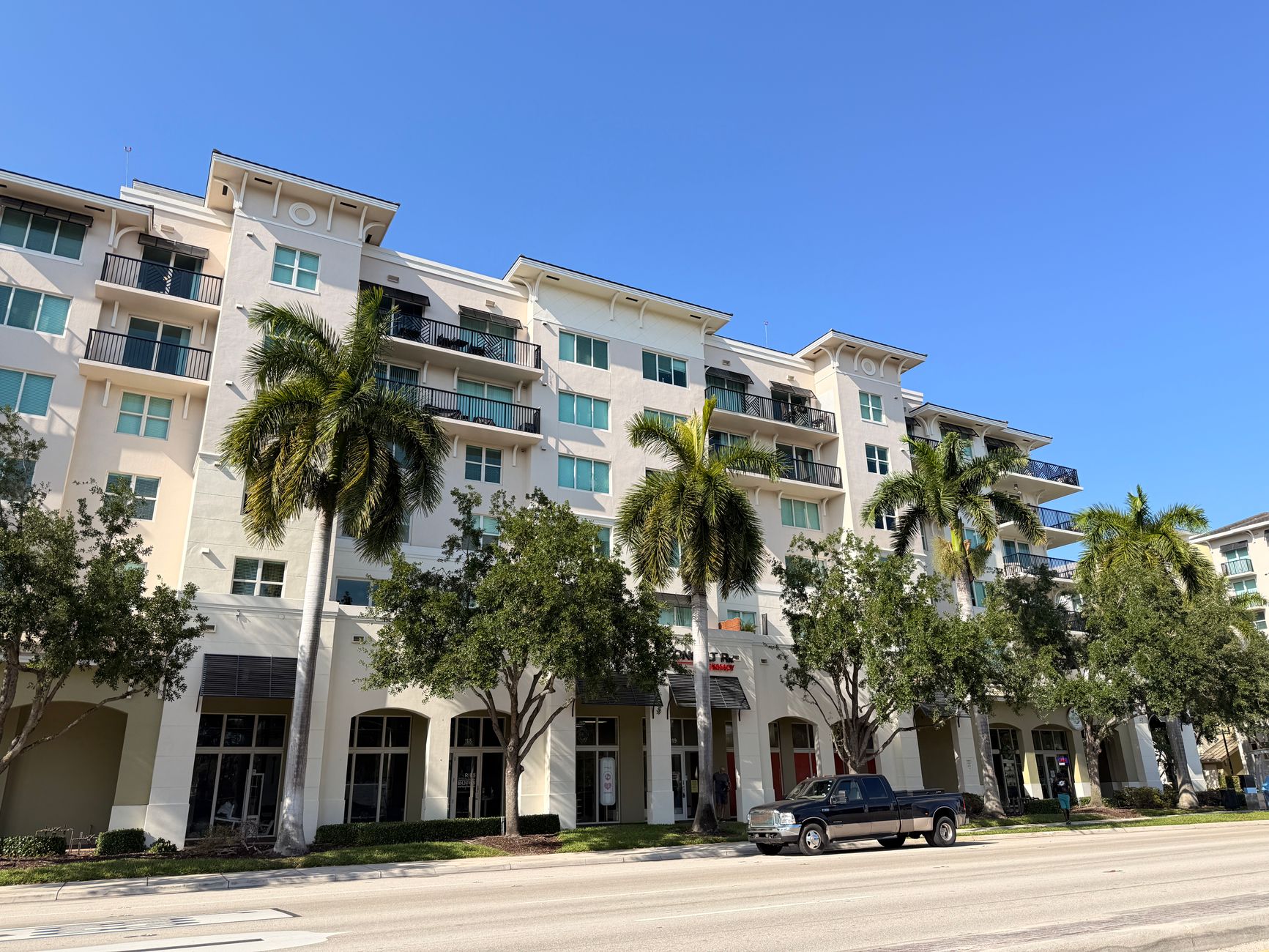
The buildings absorbing the most pressure share a consistent profile: constructed in the 1960s through the 1980s, positioned near the coast or Tampa Bay waterfront, concrete construction, and decades of deferred maintenance. Think older buildings along Bayshore Boulevard in South Tampa, aging complexes on Clearwater Beach, and mid-century towers in St. Petersburg's waterfront corridor. These aren't obscure properties - they're the exact units that look attractively priced on Zillow right now.
The cheapest condo on the MLS might be priced exactly where it is because the reserve study just came back - and the seller already knows what's coming.
The financing problem nobody is talking about
Here's the second-order effect that most buyers miss entirely. The reserve law doesn't just affect what you pay after closing. It affects whether you can close at all.
Fannie Mae and Freddie Mac updated their condo project approval guidelines after Surfside. Lenders are now required to review condo association financial health before approving conventional financing. Buildings with significant deferred maintenance, pending special assessments, or reserve studies showing less than 10% funding face serious lending scrutiny. Some are being flagged as ineligible for conventional loans entirely.
A condo that can't be financed conventionally is a condo you can only sell to cash buyers - and cash buyers know they hold all the leverage. That dynamic is already showing up in days-on-market data. Older Pinellas County condo buildings are sitting at 8-plus months of inventory in some submarkets. Buyers are doing the homework and walking away. The ones who aren't doing the homework are the ones getting surprised at the closing table.
Estate Vida Tip
Ask your lender to run a condo project approval check before you spend money on inspections. If the building isn't on the Fannie Mae approved list and doesn't qualify for spot approval, your financing options are limited to portfolio lenders - and that changes your rate and your down payment requirement significantly.
How to read the opportunity inside the wreckage
I want to be direct here: not every Tampa Bay condo is a trap. The reserve law is creating a bifurcated condo market, not a wrecked one. And the bifurcation is where the opportunity actually lives - if you know what to look for.
New construction condos in downtown St. Petersburg - including towers like 400 Central and Art House - aren't carrying decades of deferred maintenance. Their reserves are being funded from day one. That's part of why luxury condo closings have been inflating Pinellas County's headline median price figures, even as older resale inventory sits. The metro average is the worst tool for making a condo decision because it mixes two completely different risk profiles into one number.
- Buildings that funded reserves consistently: These exist, and they're identifiable. Ask for 10 years of meeting minutes. If the board has been voting to fund reserves annually rather than waiving them, the SIRS compliance cost will be manageable. These buildings are where the value is.
- Post-2000 construction in non-coastal locations: Newer buildings don't have the structural aging issues that trigger the largest SIRS obligations. Hillsborough condo inventory at 5.6 months of supply is softer than single-family but far more stable than older coastal Pinellas product.
- Buildings already through milestone inspection: If the structural milestone inspection is complete and the association has a funded remediation plan, the uncertainty is priced in. The risk is defined. Defined risk is negotiable. Undefined risk is a gamble.
- FHA-approved buildings: FHA approval requires the association to meet financial health thresholds. It's an imperfect proxy, but a building that's maintained FHA approval through the last two years of regulatory change has cleared a meaningful bar.
Estate Vida Tip
Request the estoppel certificate before your inspection period ends, not after. The estoppel discloses any pending or anticipated special assessments that the seller is legally required to reveal. In today's condo market, waiting until the last minute to review it is a mistake you can't undo once you're past the inspection contingency.
What this means for condo sellers right now
If you own a condo in a building with known reserve shortfalls, the hardest thing I can tell you is also the most useful: your competition isn't just the listing down the hall. Your competition is buyer education.
Buyers in 2026 have access to reserve study databases, HOA financial reviews, and agents who know what questions to ask. The era of hiding a building's financial problems inside a low price is ending. Sellers who disclose proactively, price to the real cost of ownership, and provide full HOA documentation upfront will sell faster than sellers who make buyers dig for it.
I've watched buyers walk away from condos not because the price was wrong, but because the paperwork created doubt. Doubt kills deals in a buyer's market. Transparency doesn't just protect you legally - it keeps deals alive.
My read on this
I think we're still in the early innings of this shaking out. The January 1, 2026 compliance deadline just passed. A lot of buildings are still in the process of getting their SIRS studies back, pricing the assessments, and notifying unit owners. The full picture of which buildings are financially stressed and which are not isn't visible yet - not on the MLS, not on Zillow, and not in county records.
What I'd personally watch over the next six months: how many older Clearwater Beach and South Tampa waterfront condo listings come to market with price reductions that correlate with assessment notices going out to owners. That pattern, when it shows up in volume, will mark the next wave of motivated sellers - and a window for buyers who've already done the building-level due diligence.
If I were buying a condo in Tampa Bay today, I'd focus almost entirely on buildings built after 2000, in non-coastal flood zones, with a clean Fannie Mae project approval. I'd treat anything built before 1990 near the water as a research project first and a purchase second. The price discount might be real. But so might the assessment.
And if I were selling in an older building? I'd get the reserve study in front of buyers on day one. Let them see the numbers before they ask. It's the one move that keeps a deal from falling apart two weeks into inspection.
Questions I'm hearing
Are Tampa Bay condo prices going to keep dropping in 2026?
Condo and townhome prices across the Tampa metro have declined between 8 and 12 percent from recent peak levels, and the structural pressure from reserve law compliance isn't going away quickly. Older buildings facing the largest reserve gaps will likely see continued softness. Newer construction in well-funded associations is holding value better and should continue to do so.
What is a condo special assessment and how do I find out if one is coming?
A special assessment is a one-time charge levied by a condo association to cover costs not funded by regular HOA reserves - often running into five or six figures per unit in older Florida buildings. Request the estoppel certificate and the last 12 months of board meeting minutes before your inspection period ends. Any anticipated assessment must be disclosed in the estoppel.
Can I get a conventional mortgage on a Tampa Bay condo right now?
It depends entirely on the specific building, not just the unit. Fannie Mae and Freddie Mac now require lenders to review condo association financial health before approving conventional financing, and buildings with significant deferred maintenance or underfunded reserves may not qualify. Ask your lender to check condo project eligibility before you write an offer - it takes less than a day and can save you weeks of wasted due diligence.
Thinking about a specific condo building in Tampa Bay? I'll pull the reserve study status, check the Fannie Mae approval list, and look at what comparable units in the same building have actually sold for. No pitch - just the numbers you need before you make a decision.