Everyone keeps asking why Tampa Bay inventory hasn't recovered the way it should. Prices are down. Days on market are up. Sellers are offering concessions. By every traditional signal, this should be a moment when more homeowners list their homes and the market rebalances cleanly.
It's not happening. And the reason almost nobody is talking about is sitting inside the mortgage statements of roughly half the homeowners in this region.
The mortgage rate lock-in effect isn't a theory. It's the dominant structural force in Tampa Bay's housing supply right now - and it's quietly splitting this market into two completely different games depending on whether you're shopping resale or new construction.
Why 3% mortgages are holding the resale market hostage
During the 2020-2022 buying frenzy, a massive share of Tampa Bay homeowners locked in mortgages at 3% or 4%. Today, with rates sitting above 6%, selling that home doesn't just mean finding a new one. It means voluntarily doubling your borrowing cost.
Most owners with a sub-4% mortgage would face a monthly payment increase of $800 to $1,200 on a comparable home at today's rates. That math doesn't work for the vast majority of move-up buyers, which means they don't move. They stay. And the home they would have sold doesn't enter the market.
The data confirms it. Many homeowners still holding 3-4% mortgages are reluctant to sell, which keeps resale inventory thin but also suppresses transaction volume and slows price recovery. This isn't a Tampa-specific phenomenon, but Tampa Bay felt the lock-in more acutely because the region attracted so many buyers during the pandemic surge.
Estate Vida Tip
If you're a buyer frustrated by thin resale inventory in a specific neighborhood, ask your agent to pull the mortgage origination dates on nearby listings. Homes purchased between 2019 and 2022 that are listed today are almost always selling for financial reasons - job relocation, divorce, estate sale. Those sellers are often the most motivated, and the most negotiable.
Why builders stepped into the gap - and what they're actually offering
When resale inventory dries up, demand doesn't disappear. It redirects. And in Tampa Bay, it's redirecting toward new construction at a scale that's reshaping several submarkets.
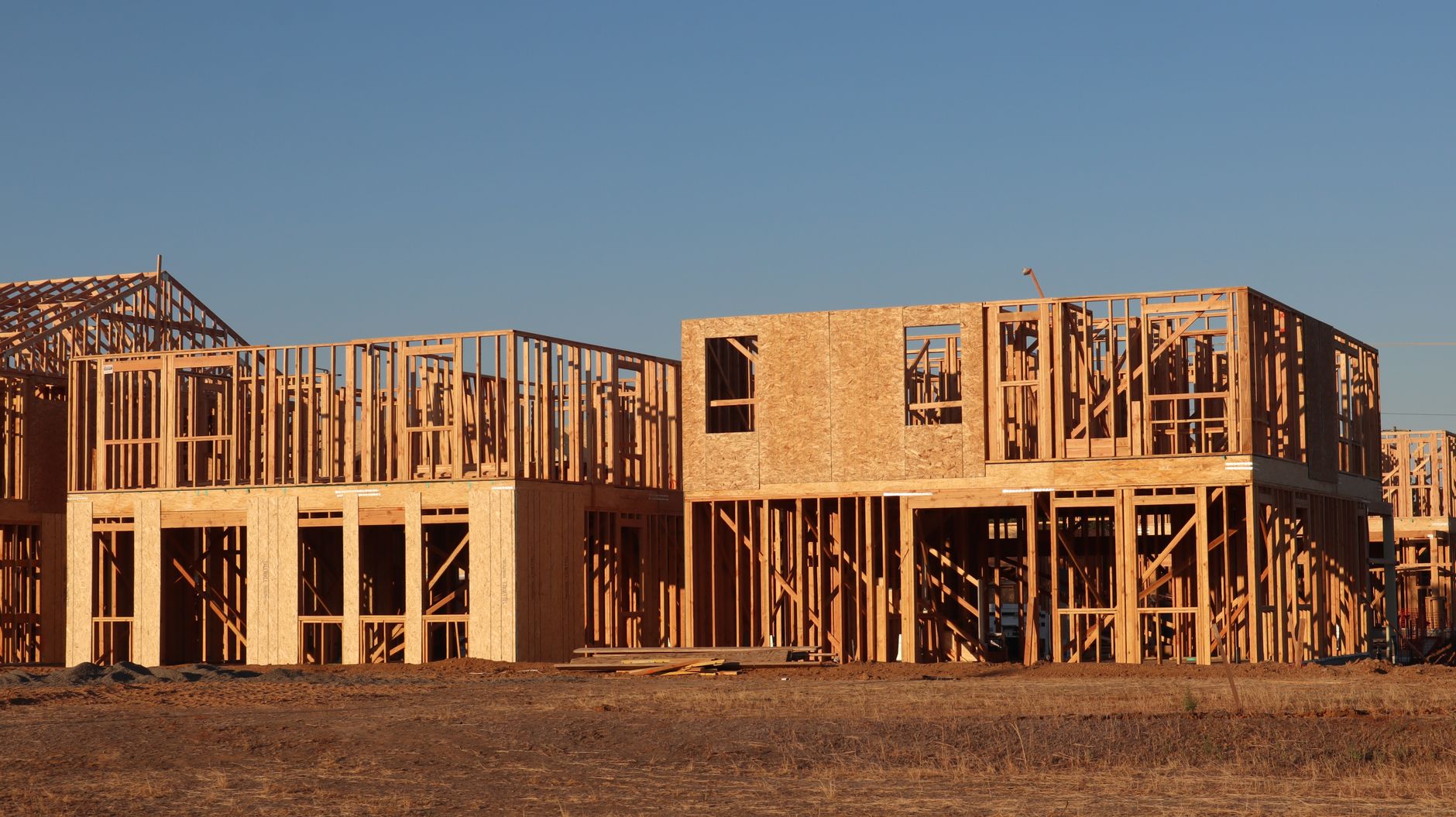
The new construction environment in 2026 looks nothing like 2021. Then, builders were selling homes before the foundation was poured and buyers were entering lotteries for the right to purchase. Today, builders are offering mortgage rate buydowns, closing cost contributions, and design upgrade packages to move inventory. Communities like Watergrass, Epperson, and Connerton in Pasco County, plus the South Shore corridor in Hillsborough, are active growth zones absorbing demand from buyers priced out of established neighborhoods in South Tampa and Westchase.
A builder-funded rate buydown to 4.99% on a $420,000 home saves a buyer roughly $400 per month compared to a market-rate loan. That's not a gimmick. That's a real financial advantage that resale sellers simply cannot match.
Stanley Martin Homes recently announced plans for approximately 500 new townhomes and single-family homes across Hillsborough and Pasco counties, illustrating that national builders aren't slowing down in this region. Manatee County continues to draw builder after builder into a market that some local agents describe as oversupplied relative to current absorption rates.
Estate Vida Tip
Before you sign anything at a new construction sales office, hire your own buyer's agent and get a quote from an outside lender. Builder financing incentives are real, but they're priced into the home's list price more often than buyers realize. An independent lender comparison will tell you whether the buydown is genuinely saving you money or just making a premium-priced home feel affordable.
The hidden cost most new construction buyers overlook
Here's where the lock-in story connects to something buyers consistently underestimate. New construction in Tampa Bay's growth corridors almost always comes with a CDD fee - a Community Development District assessment layered on top of your property taxes and HOA dues.
CDD fees in communities like Wesley Chapel and parts of Riverview routinely run $1,500 to $3,500 per year. They appear on your tax bill, not your mortgage statement, which means they're easy to miss during the buying process. A builder's financing desk won't volunteer that information upfront.
New construction typically offers builder warranties, energy efficiency, and modern layouts, but those CDD assessments meaningfully increase monthly carrying costs beyond what the headline purchase price suggests. Resale homes in established neighborhoods - Seminole Heights, Carrollwood, parts of Brandon - often have larger lots, mature trees, and no CDD. That's a real trade-off, not a minor footnote.
The builder incentive is real. The CDD fee is also real. Most buyers only do the math on one of them.
Estate Vida Tip
When comparing a new construction offer to a resale home, build a true monthly cost sheet: mortgage payment, HOA dues, CDD assessment, estimated insurance, and flood insurance if applicable. I've watched buyers choose new construction over resale based on purchase price alone, then discover their actual monthly payment was $300 higher than the resale home they passed on.
Where the two-tier market is most visible right now
Not every Tampa Bay submarket looks the same. The lock-in effect and the builder supply response have hit different counties differently, and that geography matters for where you shop.
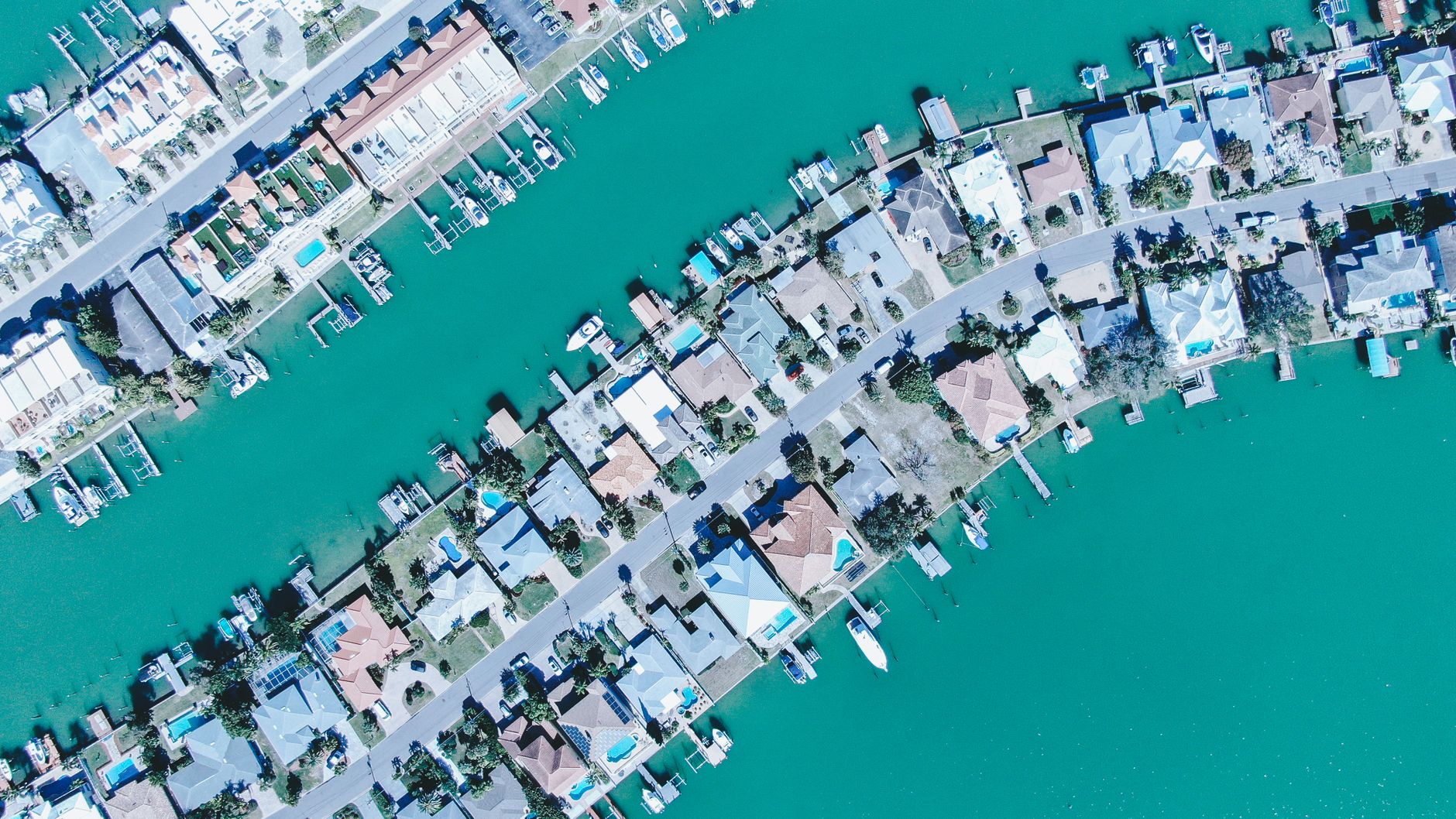
- Pinellas County: Structurally insulated from large supply increases because the county is nearly landlocked by water. Pinellas issued just 458 residential permits in 2025 - double its 2021 level, but still a fraction of what Hillsborough and Manatee produce. Resale inventory here is thinner, competition is tighter, and builder alternatives are limited. Buyers have less leverage and fewer options.
- Hillsborough County (suburbs): The South Shore corridor, Riverview, Brandon, and Valrico have the highest inventory levels in the metro. This is where resale sellers are competing directly with new construction and losing ground. Sellers here need to be sharper on price and more willing to offer concessions.
- Manatee County: The epicenter of new construction pressure. Builder activity here is aggressive, and the question of whether the market can absorb that supply at its current pace is legitimate. Bradenton's median price reached $347,000 in early 2026, which makes it an attractive new construction target - but also a market where resale sellers face the most direct competition from builders.
- Pasco County: Wesley Chapel, Zephyrhills, and Land O' Lakes remain active builder markets with genuine incentives. This is where buyers get the most negotiating room, but it's also where CDD fees are most common and most consequential.
Estate Vida Tip
If you're flexible on location, map the builder activity first, then work backward to find the resale homes nearby that are being directly pressured by new construction competition. Those resale sellers know they're competing with builder incentives and are often willing to negotiate on price, closing costs, and repairs in ways they wouldn't be in a tighter submarket.
What the migration numbers tell us about long-term demand
Here's the part of this story that doesn't get enough attention. More than 497,000 people have moved to the Tampa Bay region since 2020, creating a genuine long-term demand floor. That number matters because it tells you this isn't a distressed market - it's a transitional one.
The median sale price for single-family homes in the Tampa Bay area was approximately $400,000 in early June 2026 and has remained near that level for over two years. Prices aren't collapsing. Transaction volume is lower than it should be because lock-in is suppressing both supply and demand simultaneously. Owners won't sell. Buyers who can't afford today's rates stay renters longer. That's a frozen market, not a crashing one.
The metro average is the worst tool for making a neighborhood decision. Pinellas's constrained supply and Manatee's builder glut exist at the same time, in the same metro. Treating them as one market produces the wrong strategy for buyers in both counties.
Estate Vida Tip
If you're relocating to Tampa Bay and still deciding between counties, request a side-by-side monthly cost comparison for the same budget in Pinellas versus an outer Hillsborough or Pasco community. The purchase price difference often looks compelling until you factor in commute time, CDD fees, and the flood insurance implications of different flood zones across the two counties.
My read on this
What I'm watching most closely right now is whether builder incentives start to compress as we move through summer. Builders are disciplined operators. When sales velocity slows, they raise incentives. When traffic picks back up, they pull them. The current buydown offers - some putting effective rates below 5% - are as good as I've seen from national builders in this cycle. That window isn't permanent.
If you're a buyer who's been sitting on the sidelines waiting for resale inventory to flood the market, I'd stop waiting for that specific catalyst. Lock-in is a structural problem that doesn't resolve until rates fall meaningfully - and the data right now doesn't support a rate drop significant enough to trigger mass resale listings. The resale market you're waiting for may not materialize in 2026.
If you're open to new construction, this is actually the best negotiating environment in years. Not because prices are falling dramatically, but because builders are motivated and their incentive toolbox is wide open. Just do the full cost math before you sign - CDD fees, insurance in the new flood zone the community sits in, and HOA dues all need to go into the monthly payment calculation before you compare it to that resale home you toured last weekend.
And if you're a resale seller in Riverview, Brandon, or Manatee competing directly with builder inventory - I won't sugarcoat it. You can't out-incentivize a national homebuilder on financing. What you can offer is a known quantity: no construction delays, no model-home finishes that look great in photos but feel different in person, no CDD assessment added to their tax bill every November. Lead with that story.
Questions I'm hearing
Why is Tampa Bay resale inventory still low if prices are down?
Because most homeowners who bought between 2020 and 2022 hold mortgages at 3% to 4%. Selling means trading that rate for something above 6%, which increases their monthly payment on a comparable home by $800 or more. Until rates fall significantly, most of those owners have no financial incentive to move. Low inventory and lower prices can coexist when lock-in is suppressing supply and softening demand at the same time.
Are new construction builder incentives in Tampa Bay worth it?
The incentives are real, but they require careful analysis. Builder-funded rate buydowns can save $300 to $500 per month, which is genuinely valuable. The risk is that the buydown is priced into a home that's already at or above comparable resale value, and that CDD fees and HOA dues add significant carrying costs the headline price doesn't reflect. Get an independent lender quote and build a full monthly cost comparison before committing.
Which Tampa Bay areas have the most buyer leverage right now?
The highest leverage for buyers exists in the outer Hillsborough suburbs - Riverview, Brandon, Valrico - and in Manatee County, where new construction is abundant and resale sellers are competing for the same buyer pool. Pinellas County is the tightest market with the least buyer leverage, largely because land constraints prevent large-scale new construction from entering the county.