
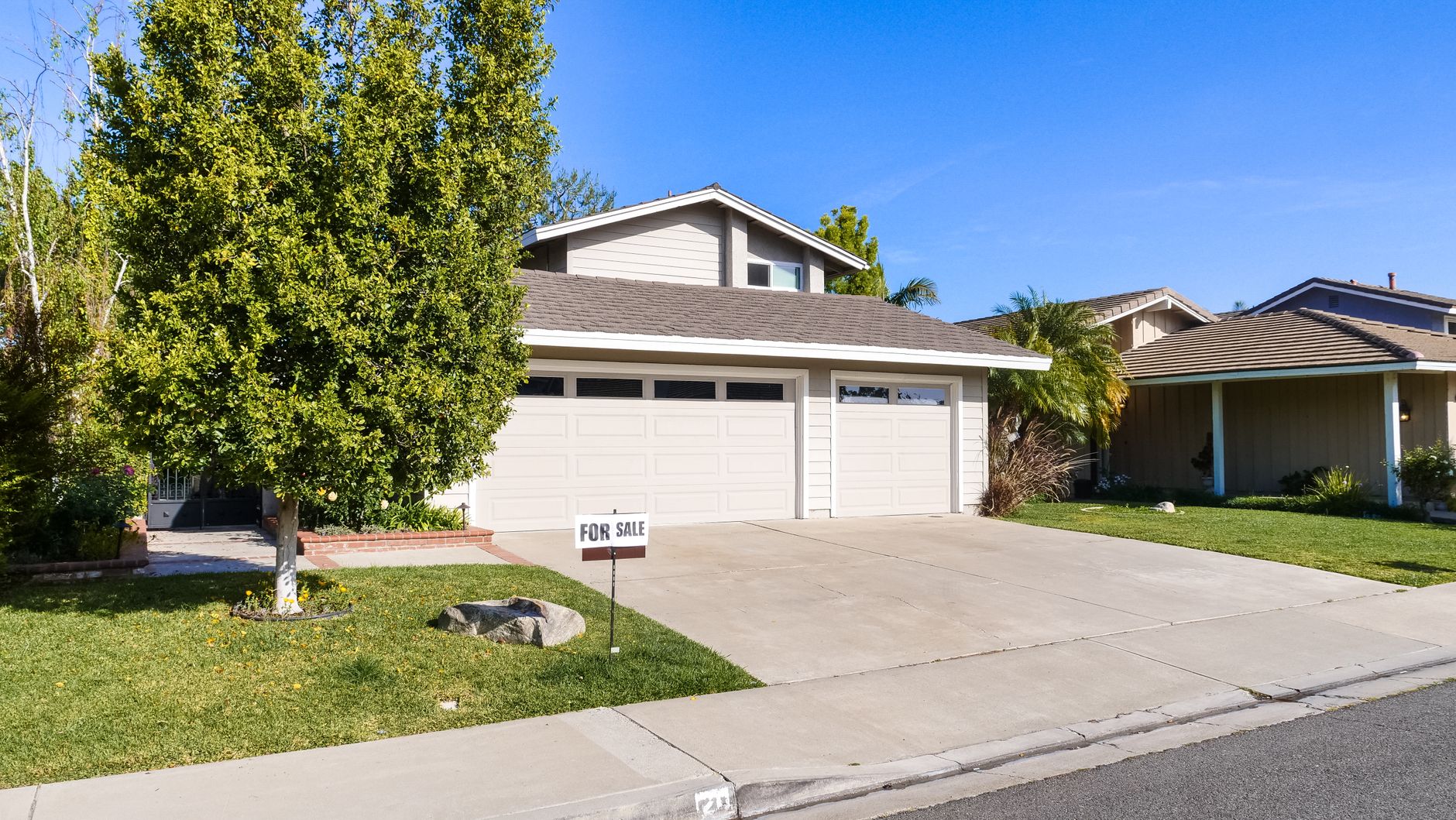
Here's the brutal truth about selling in Tampa Bay right now: the market will absolutely reward you - but only if you price correctly from the jump. Miss it by even 5-8%, and you're watching your listing age on Zillow while buyers scroll past to the next one.
That's not a guess. Homes priced at or near market value are still closing at 98.4% of list price with an average of 28 days on market. The homes that chase last year's number? They're sitting 45 to 67 days before a price cut that signals distress to every buyer in the zip code. In a market this sensitive to presentation and price, that gap is the entire ballgame.
1. What the 2026 Tampa Bay numbers actually say
Let's set the baseline. The median sale price across Tampa Bay sits at approximately $412,000 as of April-May 2026, down modestly from peak levels but holding up better than the headlines suggest. In Hillsborough County specifically, single-family home prices are hovering around $415,000 with modest year-over-year movement.
Pinellas County is running a bit higher - closer to $430,000 - driven by waterfront-adjacent demand in St. Petersburg and Clearwater. Pasco County suburbs like Wesley Chapel and Land O' Lakes are sitting near $355,000, which is why that corridor keeps pulling first-time buyers north out of Brandon and Carrollwood.
The important number though? Homes are averaging 41 days on market in Tampa proper right now versus 36 days last year. That five-day difference tells you the margin for error on price has tightened considerably.
2. Why overpricing punishes you twice in this market
Most sellers think the risk of overpricing is just a slower sale. It's actually worse than that. In a market with roughly 5 to 5.4 months of supply - the highest inventory Tampa Bay has seen in several years - buyers have options. Real options. They're not panicking.
When a listing sits for 30-plus days without an offer, the algorithm flags it. Buyers and their agents start assuming something is wrong with the property - even when the only thing wrong is the number on the sign. You then face a price cut, which confirms the buyer's suspicion, and you end up accepting a lower number than if you'd priced it right on day one.
"Properly priced, well-presented homes move. Aspirational pricing tends to sit." - The data from the current Tampa Bay market puts this plainly: the 98.4% sale-to-list ratio belongs exclusively to sellers who respect what buyers are actually willing to pay today.
The sellers bleeding equity right now are the ones comparing to what the house three doors down sold for in 2022. That comp is dead. Use it and you're pricing against a ghost.
3. The neighborhood-by-neighborhood reality check
Tampa Bay's market doesn't move as one. Where you are matters enormously, and pricing as if your zip code mirrors the metro average is a fast way to get stuck.
- South Tampa and Hyde Park: Still commanding premium pricing for well-maintained homes. Buyers here are less rate-sensitive and more quality-driven. But even here, aspirational pricing over current comps is getting punished. Expect to price at current market, not peak 2022 comparables.
- Seminole Heights and Ybor City: Appreciation has cooled after a hot run. Buyers in these neighborhoods are sophisticated and price-aware - many are investors or urban professionals who run their own comps. Overprice by $20K and you'll know in two weeks.
- Carrollwood and Westchase: Suburban family buyers here are doing serious total-cost-of-ownership math. They're factoring in HOA fees, insurance premiums, and CDD costs alongside the purchase price. Your pricing has to account for what those ancillary costs look like to a buyer running a monthly budget.
- Wesley Chapel and Brandon: These are the highest-inventory submarkets right now. New construction is active, builders are offering rate buydowns and closing cost credits, and your resale is competing directly against brand-new product. You must price sharper here than anywhere else in the metro.
- St. Petersburg and Clearwater: Pinellas has a structural supply constraint - it's surrounded by water and has limited room for new subdivisions. That insulation keeps pricing stickier, but flood zone exposure and insurance cost scrutiny have become deal-killers in the wrong locations.
- Davis Islands and Dunedin: Premium lifestyle pockets with buyers who actually read disclosure documents. If your 4-point inspection has deferred items or your flood zone designation triggers elevated insurance costs, the buyer's offer is going to reflect that math whether you want it to or not.
4. What buyers are actually scrutinizing in 2026
The buyer pool in mid-2026 is smaller but smarter. These are people who've been watching this market for 12-18 months. They know the data. And they've gotten very good at calculating the true cost of ownership - not just the mortgage payment.