Everyone's reading the same Tampa Bay headline: prices are flat, the market is rebalancing, sellers are cutting. Familiar story. And it's not wrong - it's just incomplete.
What that story buries is a split so wide it's almost two different asset classes. Tampa Bay condos have lost roughly 12% of their value year-over-year, with supply ballooning to 13.2 months - textbook buyer's market territory. Meanwhile, single-family homes in neighborhoods like Palma Ceia and Virginia Park are up nearly 15% over the same period. That's a 27-percentage-point spread inside the same metro.
The metro average is the worst tool for making a neighborhood decision. And right now, using it could cost you six figures in either direction.
Why the condo market is in a different category of pain
This isn't a general softness. The condo market is absorbing a specific set of compounding pressures that don't touch single-family homes the same way.
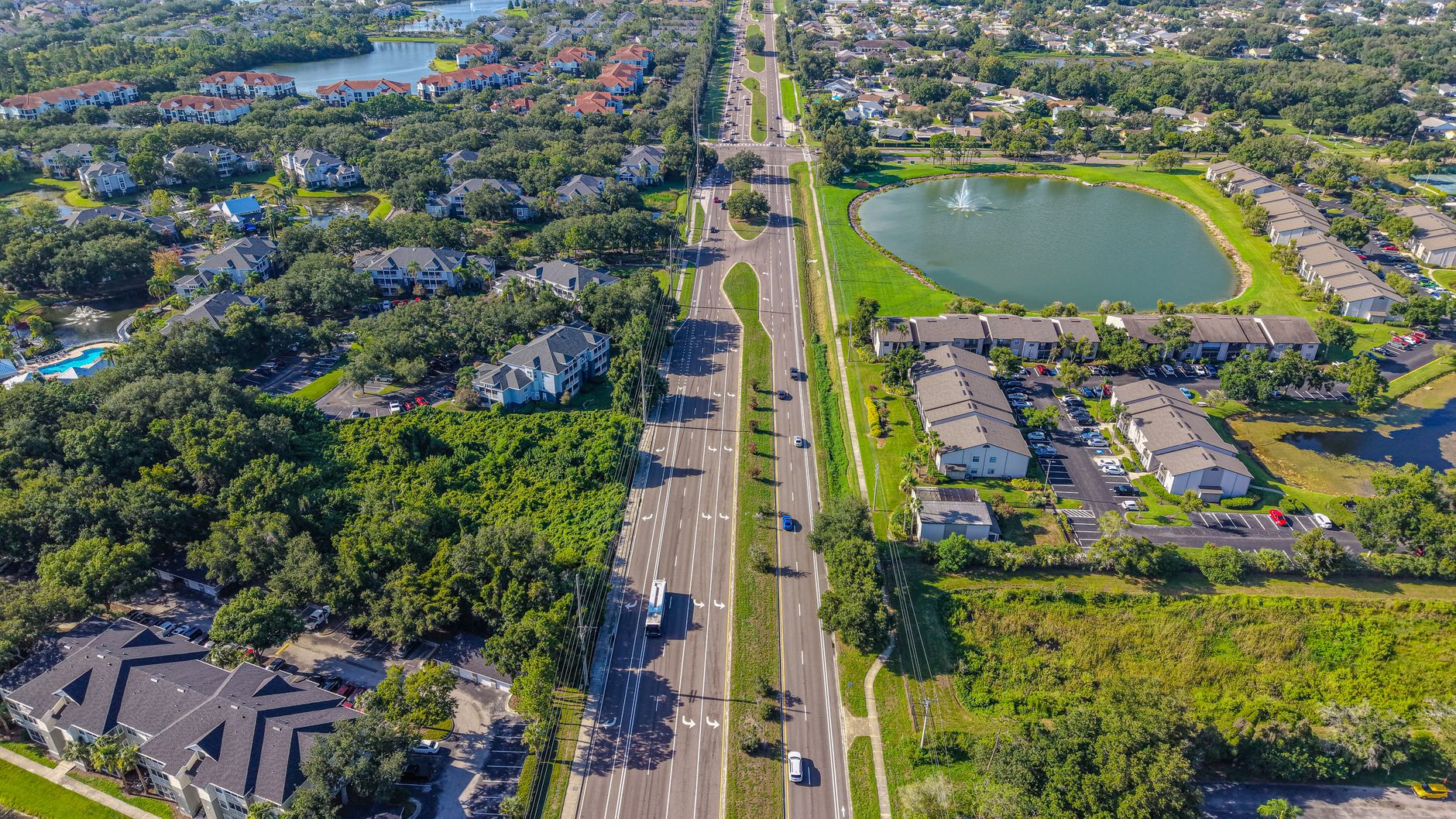
Start with supply. New units from Water Street, Bayshore, and other downtown Tampa and St. Pete pipeline projects have been delivering into a market where buyers are already hesitant. Days on market in the Hyde Park and Davis Islands condo corridor (zip code 33606) have pushed past 100 days in 2026. That's not a slow market - that's a structurally oversupplied one.
Then layer on Florida's insurance and HOA crisis. After the Surfside collapse in 2021, Florida's condo safety law (SB 4D) mandated structural inspections and reserve funding for buildings three stories and taller. That legislation is now hitting HOA budgets hard. I've watched buyers walk away from perfectly livable condos after getting the HOA financials and seeing special assessment notices or reserve shortfalls that no seller had disclosed upfront. Lenders are seeing it too - some buildings are losing their FHA and conventional loan approval status, shrinking the buyer pool to cash purchasers only.
Insurance is deciding more condo deals than price - and most sellers still haven't priced for it.
If you're buying a condo anywhere in Tampa Bay, request the HOA's most recent reserve study, the current budget, and any pending or issued special assessments before you submit an offer. Also confirm the building's insurance carrier and ask whether it's currently FHA-approved. This isn't optional due diligence - it's the deal-decider right now.
Why single-family is holding - and in some pockets, surging
The single-family market is not immune to the broader correction, but it's insulated by one thing condos can't replicate: land scarcity in desirable locations.
Hillsborough County's single-family median came in at $445,155 in June 2026, up 1.2% year-over-year, with just 3.7 months of supply. That's still a seller-leaning environment. Compare that to the metro-wide condo inventory of 13.2 months and you start to see why the asset-type distinction matters far more than the county or even the zip code.
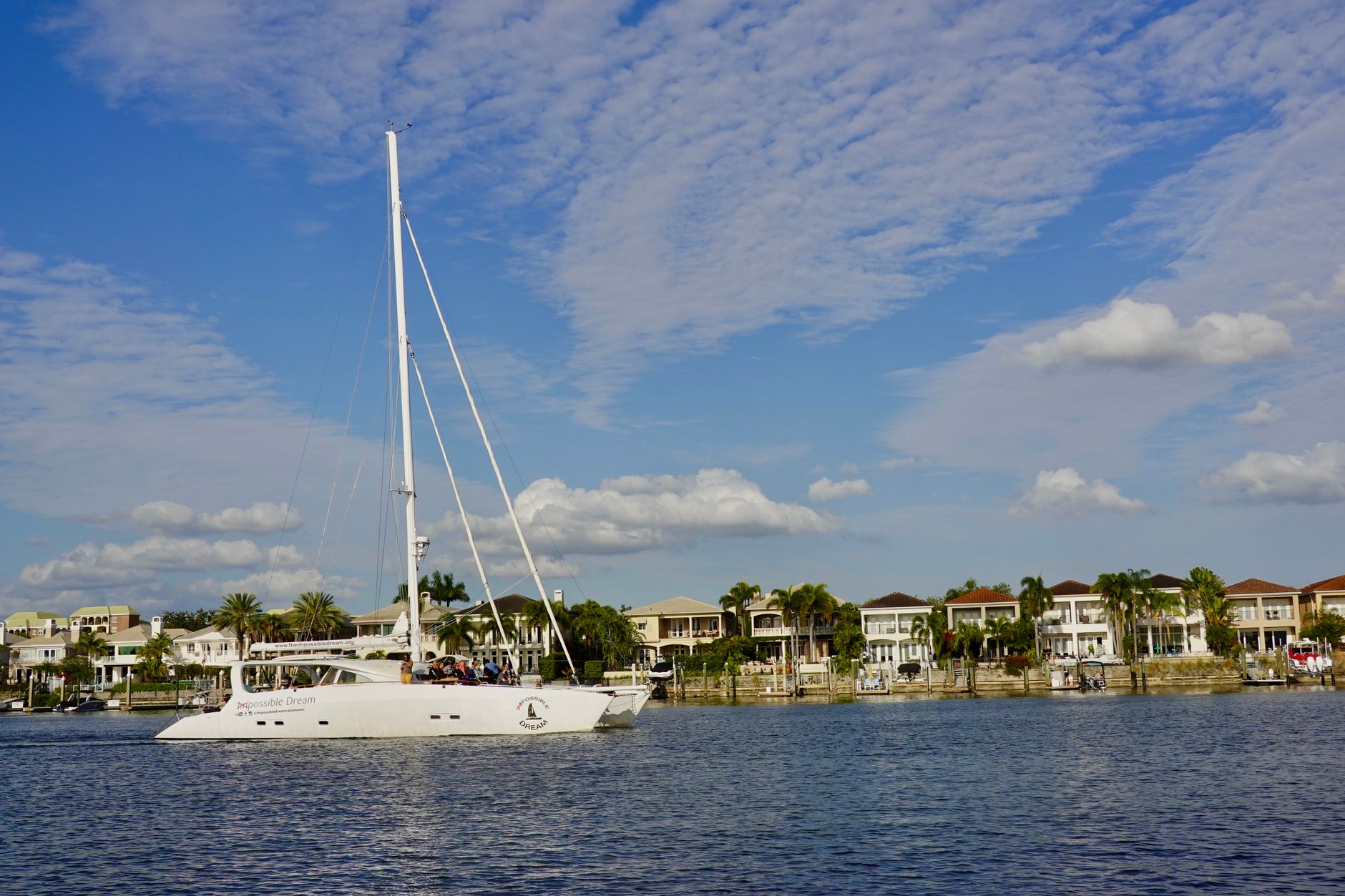
South Tampa is the sharpest illustration of this. In zip code 33629 - Palma Ceia, Virginia Park, Golf View - home prices spiked nearly 15% over the past year. Entry-level fixer-uppers there rarely fall below $600,000, and well-maintained homes regularly clear $1.2 million. What's driving it? Geographic constraint. South Tampa is bound by water on three sides. You cannot build your way out of that supply problem. Every dollar of demand has fewer addresses to chase.
Builders can flood Wesley Chapel with new homes. Nobody is building new land in Hyde Park.
If you're a seller in a constrained, walkable South Tampa neighborhood - Palma Ceia, Bayshore Beautiful, Virginia Park - you have more pricing power than the market headlines suggest. The key is staying tight on condition. Buyers at the $800K-$1.2M range are paying a premium for move-in ready. If your home needs work, price it to reflect that from day one - or they'll walk to the next listing.
The neighborhoods caught in the crossfire
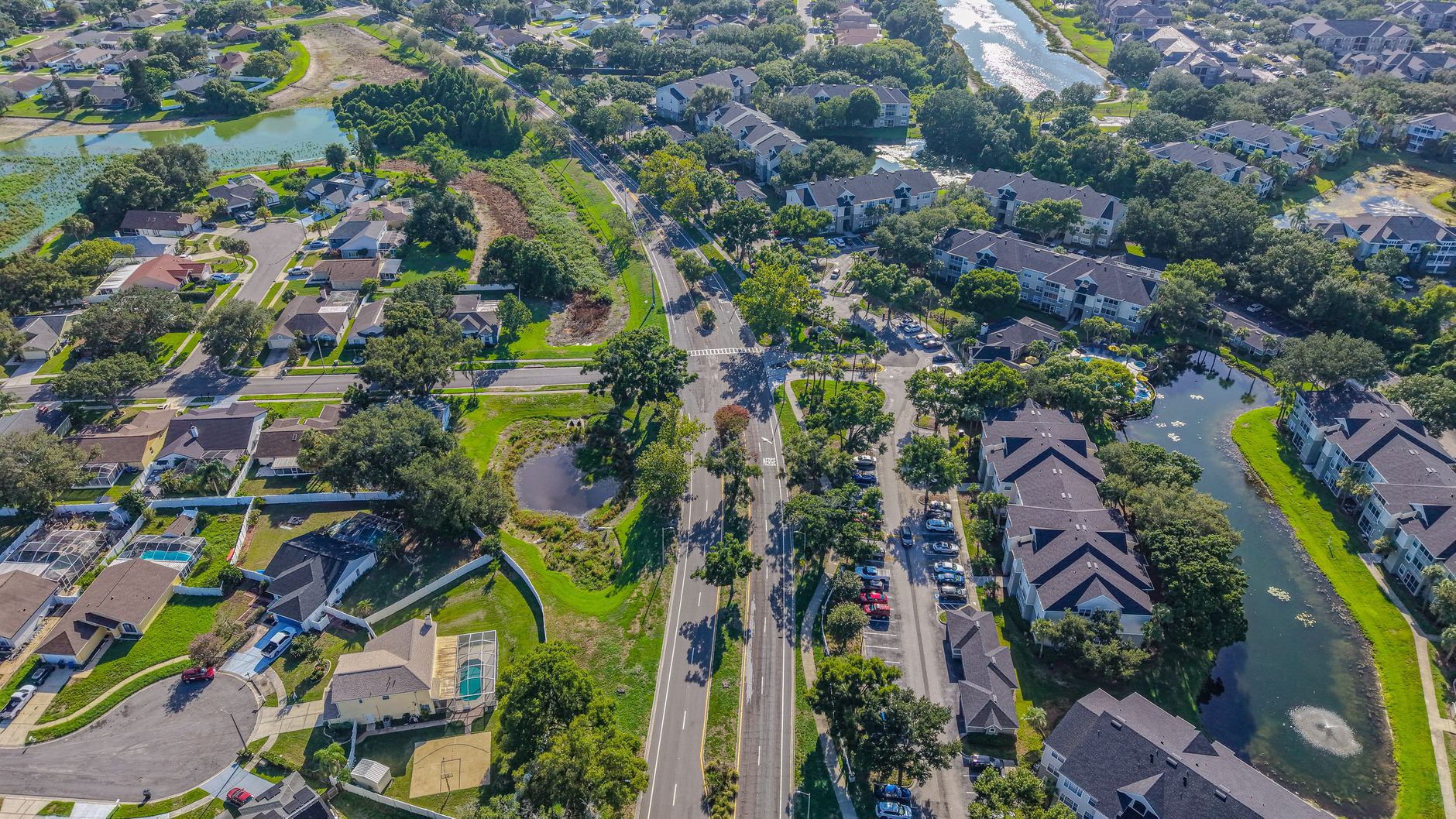
The dangerous middle ground is neighborhoods where single-family homes and condos sit side by side and buyers are choosing between them. Seminole Heights, parts of St. Petersburg, and the Westshore corridor are all dealing with this right now.
In those areas, a buyer can get a condo at a price that looks compelling on paper - maybe 12-15% below last year's peak - and still walk into a deal that deteriorates. Why? Because the same insurance dynamics crushing condo values are also making financing harder. If a building loses its Fannie Mae approval, you can't sell to the next buyer using a conventional loan. You've bought yourself a cash-only asset in a market that runs on 30-year mortgages.
The single-family homes in those same neighborhoods are facing a different problem: they're being compared, fairly or not, to the distressed condo comps next door. Appraisers and buyers are anchoring to price-per-square-foot data that includes condo sales. It's artificially compressing perceived value for sellers who have a fundamentally different product.
The comps are contaminated - and sellers in mixed-use neighborhoods are paying for it without knowing why.