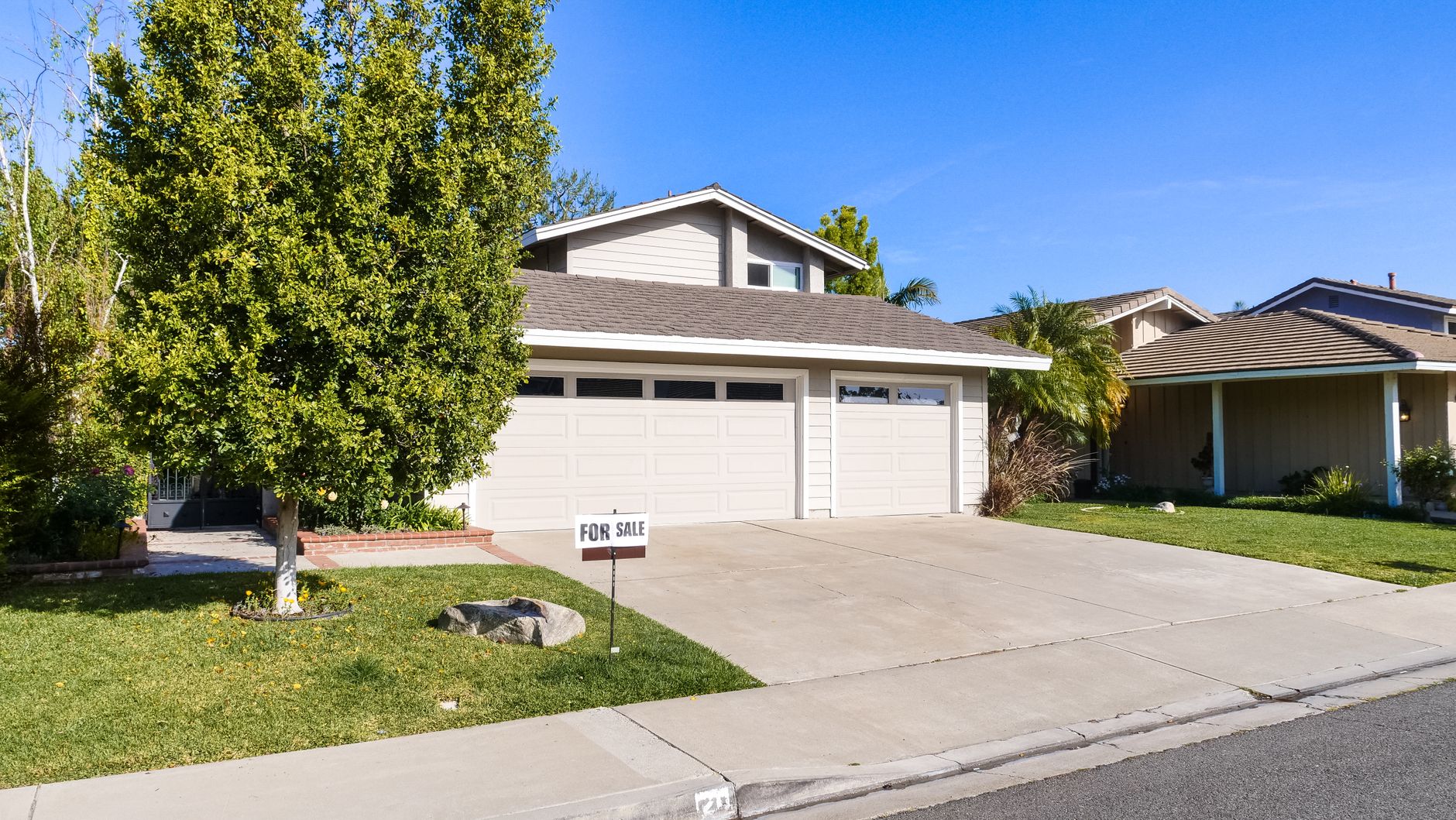
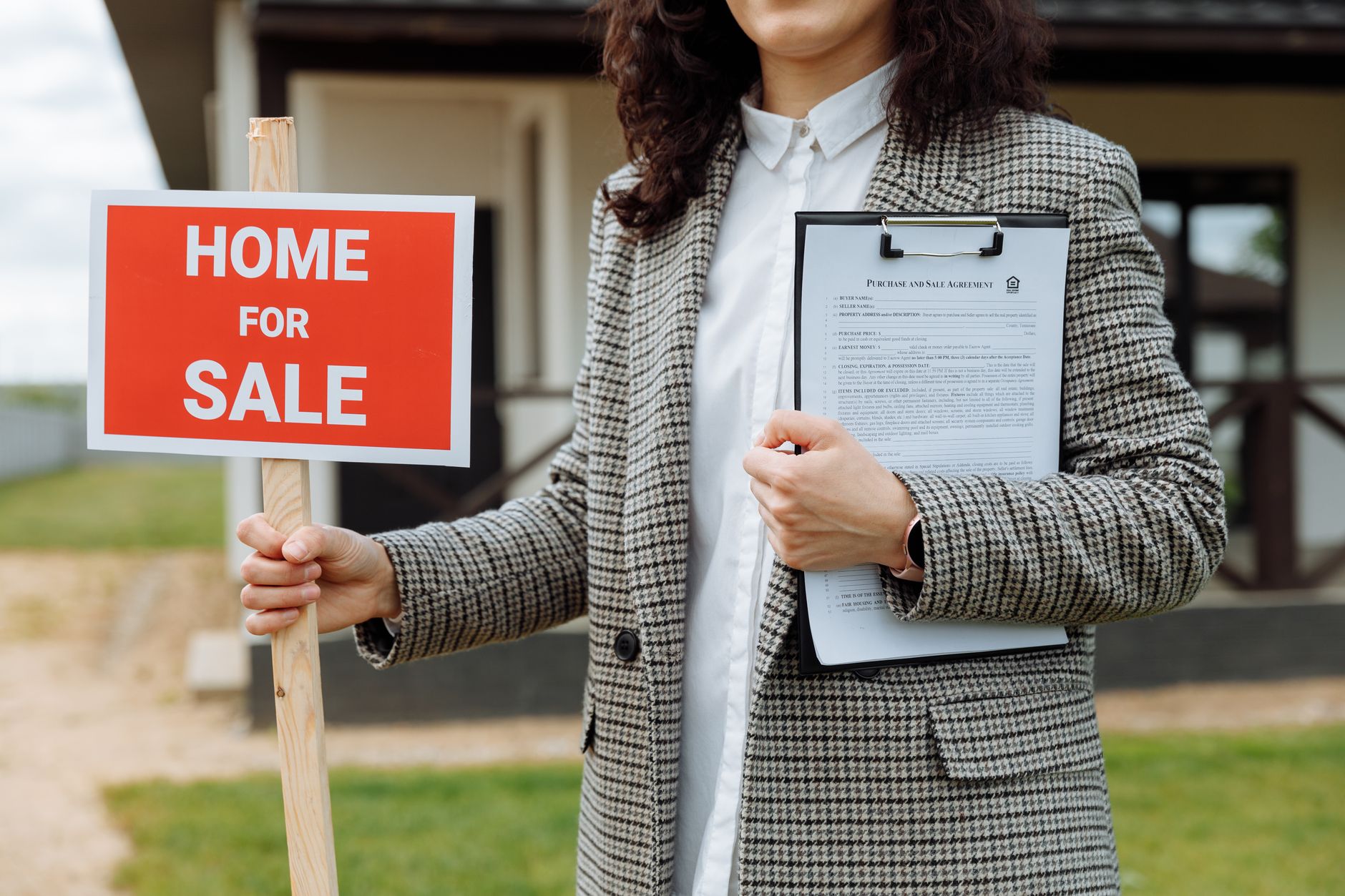
Everyone keeps watching the median price. They're looking at the wrong number.
The metric that actually explains Tampa Bay's 2026 market - the one that separates sellers who walk away satisfied from sellers who keep reducing and wondering what went wrong - is days on market. And right now, that number is doing something unusual.
The metro average is 41 days. But that average is a fiction. Underneath it sits two completely different seller experiences, and which one you land in is almost entirely determined by a decision you make before you ever put a sign in the yard.
Why the 41-day average is the worst tool for making a pricing decision
Redfin's current data puts Tampa's average days on market at 41 days, up from 36 days a year ago. That five-day increase sounds modest. It isn't.
What that metro average is actually doing is blending two populations that have almost nothing in common. Well-priced homes in desirable neighborhoods like South Tampa, Westchase, and Carrollwood are still moving in 21 to 35 days. Overpriced listings across the region are sitting 44 to 98 days depending on the submarket. When you average those two groups together, you get a number that accurately describes neither of them.
Using the metro average to set your pricing strategy is like navigating by the midpoint between two cities. You end up in a field.
Before you commit to a list price, ask your agent to pull days on market specifically for your zip code and property type - not the metro average. A neighborhood-level DOM tells you how long buyers are actually taking to make decisions in your specific market, which is the number your pricing strategy should be built around.
What overpriced listings are actually experiencing right now
I've watched this pattern play out dozens of times in the current cycle. A seller anchors to what the house down the street sold for in 2022, or to what Zillow's Zestimate says, or simply to what they need to net after payoff. They list above market. And then the clock starts running in the worst possible way.
Buyers in 2026 are not uninformed. They are extraordinarily well-researched. They've seen every comparable. They know the insurance costs before they schedule a showing. They know what the house across the street closed for. When they see an overpriced listing, they don't negotiate - they simply move on to the next one, because there are more options than there have been in years.
By day 30, the listing has accumulated what agents call "market stigma." Buyers start asking what's wrong with it. By day 60, the seller reduces. By day 90, they reduce again - often to a price below where they could have listed on day one. The final sale price ends up lower than it would have been with correct initial pricing, and the seller also burned weeks of carrying costs in the process.
Active listings have climbed to roughly 5.4 months of supply across the Tampa Bay region. That supply context is what gives buyers the patience to wait out an overpriced listing. They don't need to chase anything right now.
If your home has been on market more than 21 days without a serious offer, the market is sending you a clear message about price. A single well-timed reduction - before you hit day 30 - will do more for your outcome than waiting another two weeks and hoping. Stigma compounds. Act before it does.
Why new construction is raising the bar on what buyers expect
Here's the dynamic most resale sellers aren't accounting for. Their competition isn't just the house two streets over. It's the builder offering a rate buydown, closing cost assistance, and a warranty on a brand-new home in Wesley Chapel or Watergrass.
Builders are incentivizing aggressively in 2026. They have to - they've got carrying costs on finished inventory and need to move product. What that means for resale sellers is that the value proposition of an existing home needs to be sharper than ever. Buyers have a mental comparison happening in real time: is this resale home - with its older roof, unknown insurance history, and higher HOA - worth what the seller is asking compared to a new build with a buydown that gets them to a lower monthly payment?
Builders aren't just selling houses. They're repricing the entire resale market around them.
This is especially acute in outer Hillsborough, Manatee, and Pasco where new construction pipelines remain active. Permit data shows Manatee County in particular is still absorbing significant new construction volume. Resale sellers in those corridors who don't account for builder incentives in their pricing are competing with one hand tied behind their back.
If your home is within 10 miles of active new construction - Wesley Chapel, Riverview, Bradenton, Apollo Beach - pull the builder's current incentive sheet before you set your list price. If a builder is offering a 2-1 rate buydown on a comparable product, you need to factor that into your value proposition, either through price, seller concessions, or both.
The neighborhoods where speed is still on the seller's side
The current market isn't uniformly soft for sellers. The data makes that clear. But the pockets of strength are specific, and they share common characteristics.
- South Tampa and Hyde Park: Limited land, established walkable character, and consistent demand from relocation buyers. Well-priced homes here are still moving briskly. The constraint is supply, not demand.
- Seminole Heights and Ybor City: Buyers looking for character product at a relative discount to Hyde Park continue to find value here. Days on market are shorter when sellers price to the actual comp set, not their renovation wishlist.
- Westchase and Carrollwood: Strong school zones drive sustained family demand. These neighborhoods have shorter DOM than the metro average, but sellers who overshoot still get punished.
- Dunedin and St. Petersburg core: Pinellas County's structural land constraint - it's essentially built out - creates a tighter supply floor. That limits the downside for well-maintained product in desirable Pinellas locations.
What these areas share is not magic. They share accurate pricing. The same house in the same neighborhood will sell in 22 days or 87 days based almost entirely on where it enters the market. I've seen it happen in the same subdivision, same month, with comparable product.
In any of these stronger neighborhoods, the first 10 days of a listing are worth more than the next 60 combined. Request a showing report from your agent at day 7. If you've had showings but no offers, the price is the problem - not the marketing. If you've had no showings, both price and marketing need to be examined.
The carrying cost math sellers are ignoring
There's a calculation I walk every seller through that changes the conversation immediately.
If your home is listed at $475,000 and sits for 90 days before you reduce to $455,000 and close - you didn't just "lose" $20,000 on price. You also paid three additional months of mortgage, property taxes, HOA fees, utilities, and insurance. In Florida, where insurance alone can run $4,000-$8,000 annually on a mid-range home, those carrying costs matter. The real cost of overpricing by $20,000 might be $25,000-$28,000 by the time you account for what those months actually cost you.
Tampa Bay's homeowners insurance market has seen some relief with recent rate adjustments following SB 2A reforms, but monthly carrying costs on an unsold home are still real and accumulating. The seller who prices correctly on day one and closes in 25 days almost always nets more than the seller who holds firm for 90 days and then capitulates.
Ask your agent to run a carrying cost analysis before you list. It's a simple calculation: add up your monthly PITI (principal, interest, taxes, insurance), HOA fees, and utilities, then multiply by the number of extra months you'd carry if you overprice. Compare that number to the gap between your desired price and the market price. In most cases, the math makes the case for correct pricing better than any argument I could make.
My read on this
The market is not crashing. It's also not forgiving. Those are two different things, and sellers are getting them confused.
What I'm watching right now is a widening gap between sellers who approach this market with discipline and those who approach it with hope. Hope-based pricing - anchored to pandemic peaks, Zillow estimates, or what a neighbor allegedly got in 2022 - is costing people real money in 2026. The buyers are too informed and have too many options to reward it.
If I were selling in Tampa Bay right now, here's what I'd actually do: I'd start with the tightest comparable set possible - same subdivision or same street, closed in the last 60 days, same bedroom and bath count. Not 90 days. Not a mile away. Then I'd price at or just below that comp set and treat the first 14 days as sacred. Maximum showing activity in that window means maximum negotiating position. If the phone isn't ringing in the first week, something is wrong and I want to know what it is immediately.
The sellers doing well right now aren't lucky. They're disciplined. And in a market with 41-day average DOM and active inventory at multi-year highs, discipline is the only edge that reliably works.
Questions I'm hearing
How long are homes sitting on the market in Tampa Bay right now?
The metro average is currently 41 days, up from 36 days a year ago. But that number hides a wide range - well-priced homes in neighborhoods like South Tampa and Westchase are still moving in 21 to 35 days, while overpriced listings across the region are sitting 60 to 98 days before selling or being withdrawn.
Is it still a good time to sell a home in Tampa Bay in 2026?
Yes, but pricing discipline matters more than it has in years. Buyer demand hasn't collapsed - active buyers are still in the market and well-priced homes are moving. The sellers struggling are the ones anchored to 2022 prices in a 2026 market. Get the price right from day one and the market still rewards you.
Why are some Tampa Bay homes selling fast while others sit for months?
The gap almost always comes down to initial pricing accuracy. Buyers in 2026 are well-researched and have more inventory to choose from than they did two years ago, which means they simply wait out overpriced listings rather than negotiate. Homes that enter the market at or just below their true comp value generate early showing activity and close faster at better net prices.
Curious what your home would actually realistically price out at in today's market? I'll pull the last 60 days of closed comps for your specific neighborhood and walk you through the numbers - no pitch, no pressure, just the data your decision should be based on. Reach out whenever you're ready.