You've probably seen the headline: Tampa is leading the nation in luxury home price appreciation. That sounds like good news. A thriving market. A city on the rise.
Here's what almost everyone is missing: when the top of a market accelerates while the bottom stalls, it isn't a sign of health. It's a sign of a market that has stopped functioning for most of the people in it.
The luxury surge and the entry-level freeze aren't two separate stories. They're the same story, told from opposite ends of the price spectrum. Understanding why they're happening together - and what connects them - is the only way to read this market clearly right now.
What the luxury data is actually saying
According to Redfin, the median sale price for a luxury home in Tampa for the three months ending in July 2026 was $1.64 million. That figure places Tampa among the top luxury markets in the country for price appreciation - outpacing much larger metros on a percentage-gain basis.
At the same time, non-luxury home prices in Tampa were essentially flat, rising just 0.3% year over year. Not crashing. Not recovering. Barely moving.
That is not a balanced market. That is a market bifurcating along wealth lines, and the gap between those two trajectories tells you almost everything you need to know about who has pricing power right now - and who doesn't.
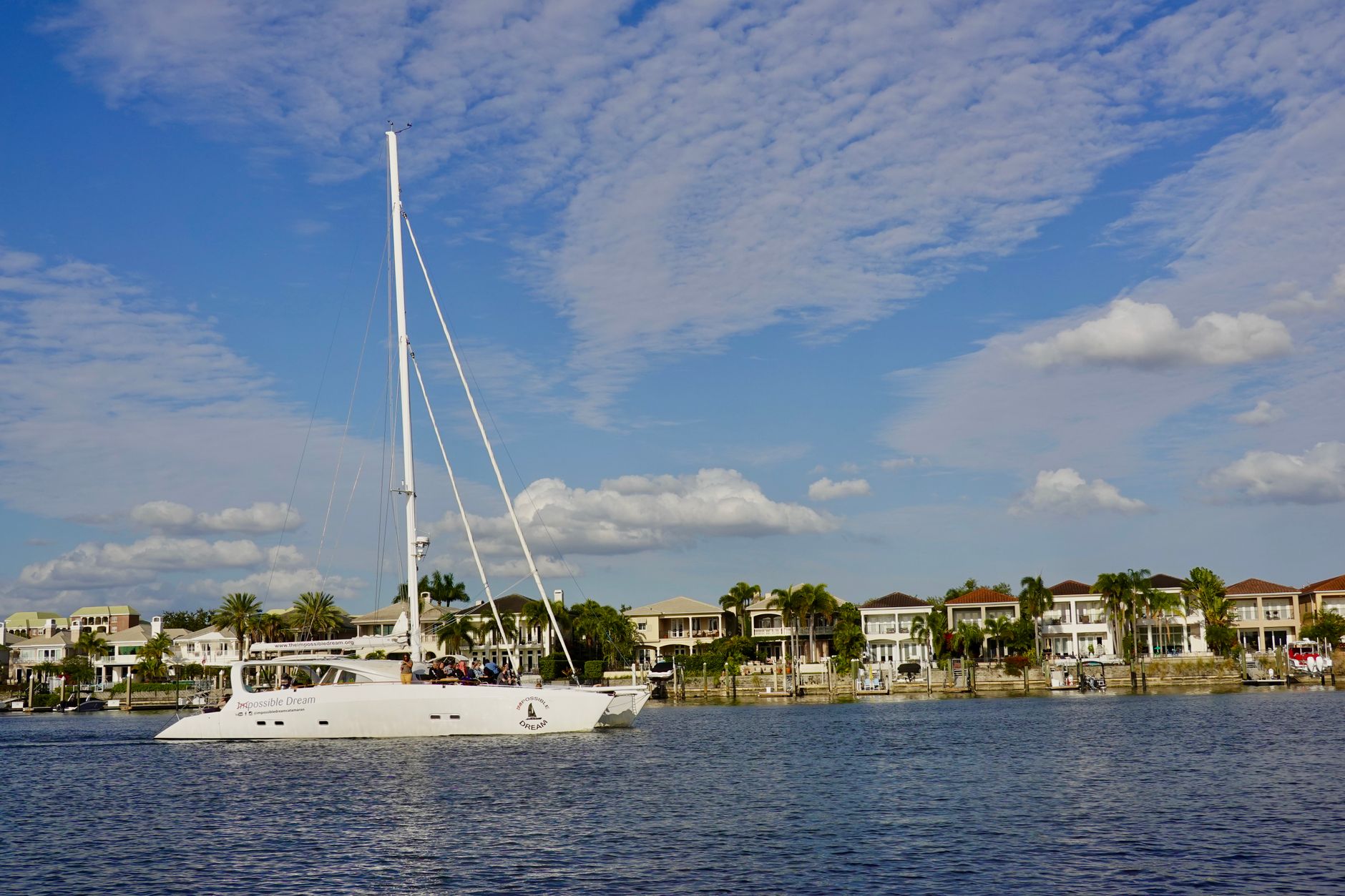
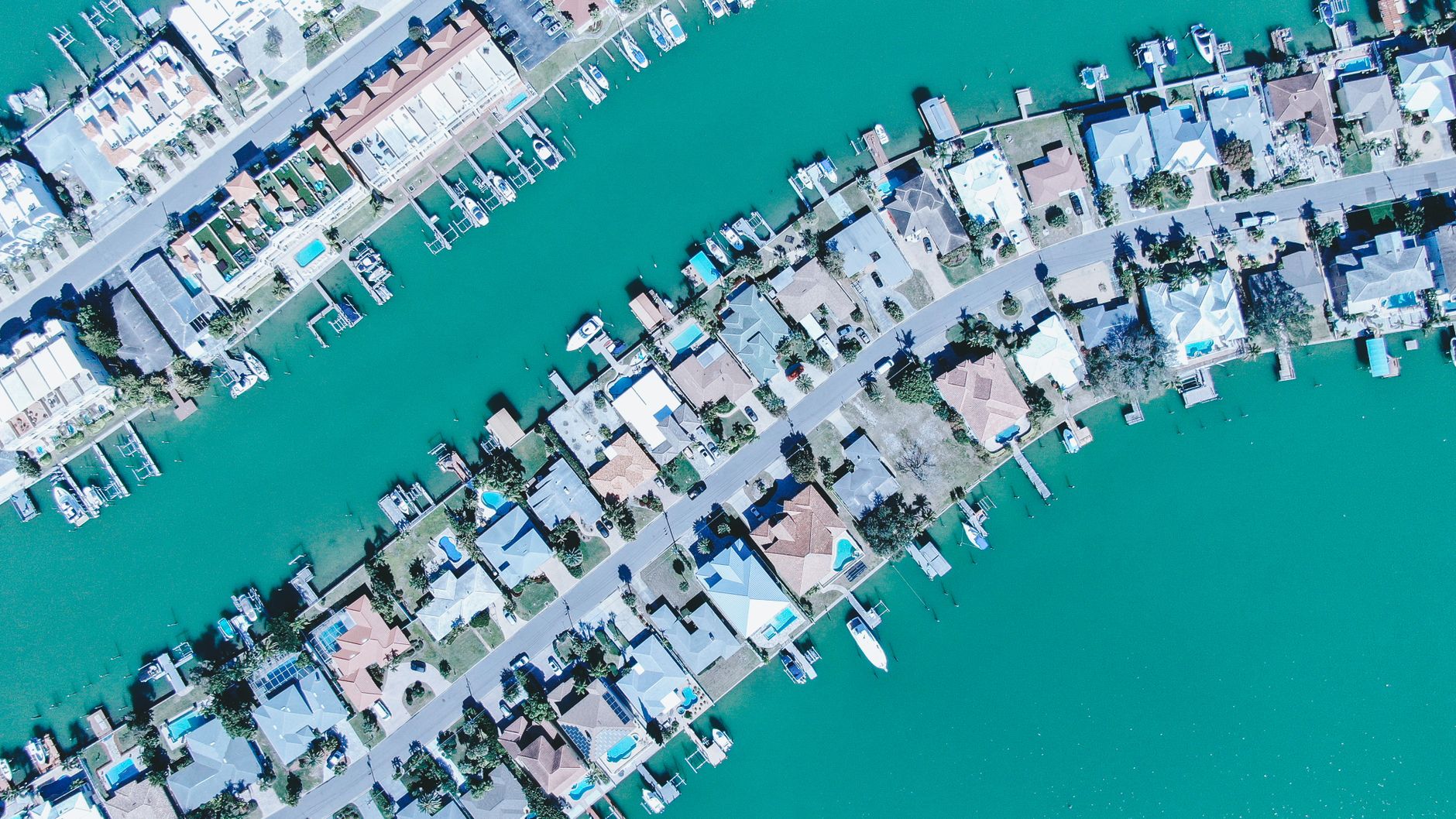
If you're a luxury seller in South Tampa, Davis Islands, or Harbour Island, the national tailwind is real - but it doesn't excuse lazy pricing. The buyers at this level are sophisticated, they're running comparables across multiple cities, and they will walk if the number doesn't hold up. Price with precision, not optimism.
Why luxury is outrunning everything else
Luxury buyers in Tampa aren't rate-sensitive the way median-market buyers are. A significant portion are paying cash, moving equity from sold homes in higher-cost markets, or buying as part of a wealth preservation strategy. Mortgage rates don't anchor a $2 million purchase the way they anchor a $420,000 one.
Tampa Bay's home prices have climbed roughly 67% since 2019. That run created a class of local homeowners who are now sitting on substantial equity - equity that gets recycled into move-up purchases, waterfront upgrades, and luxury new construction. The wealth created by the pandemic-era run is now funding the next price tier. It's a feedback loop that doesn't require favorable rates to sustain itself.
Meanwhile, inventory at the luxury tier remains structurally tight. You can't build a waterfront Davis Islands bungalow or a Hyde Park Victorian at scale. Supply constraints at the top of the market, combined with cash-heavy demand, produce the kind of price appreciation Redfin's data is showing. That math isn't complicated. What's underappreciated is how different it is from what's happening two price tiers below it.
The Tampa luxury market and the Tampa entry-level market are now operating under completely different rules. Treating them as one market is the most expensive analytical mistake a buyer or seller can make right now.
Why entry-level is frozen in place
The median sale price for single-family homes in the Tampa Bay area sits at approximately $420,000 and has barely moved in over two years. That flatness looks stable on the surface. Underneath it, the forces are anything but calm.
Affordability is the constraint. Home prices in Tampa Bay have increased roughly 67% since 2019, and mortgage rates have remained above 6% for most of the past two years. That combination has pushed typical monthly payments beyond what a first-time buyer or median-income household can absorb. The buyers who would normally be entering at the $350,000-$450,000 range are sitting out, renting, or migrating to lower-cost submarkets in Pasco County where a Wesley Chapel entry-level home is closer to $340,000.
Active listings have surged to multi-year highs. New listings in early 2026 hit the highest levels since Florida Realtors began tracking in 2008. More supply, constrained demand, elevated rates - and prices haven't dropped dramatically because sellers with locked-in low mortgages won't cut, and builders are using rate buydowns to hold their numbers. The result: a market where nothing clears. Homes sit. Buyers wait. The median barely moves.
If you're buying in the $350,000-$480,000 range in Hillsborough or Pinellas, you have more negotiating leverage than this market feels like it's offering. Homes are averaging 46 days on market. Sellers are making concessions. Ask for closing cost credits, rate buydowns, and inspection repairs - not just a price reduction. The total cost of the deal matters more than the list price right now.
The neighborhood split that the metro average hides
Median figures at the metro level are almost useless for making a real decision right now. The metro average is the worst tool for making a neighborhood-level call in a bifurcated market. You need to go deeper than the county, let alone the metro.
Here's what the data shows at the county level heading into fall 2026:
- Hillsborough County: Median prices near $390,000-$408,000, up 3-4% year over year. Neighborhoods like South Tampa, Westchase, and Carrollwood are still moving in 21-35 days when priced correctly. Outer Hillsborough, where new construction is concentrated, is a different story - builders are competing directly with resale and winning.
- Pinellas County: Median near $375,000. Inventory is rising and certain zip codes are seeing values 3-6% below their 2024 peaks. St. Petersburg's urban core holds better than its suburban edges. Clearwater is more variable.
- Pasco County: Median around $340,000. Communities like Wesley Chapel, Zephyrhills, and Land O' Lakes are absorbing buyers priced out of Hillsborough and Pinellas. New construction pipelines here remain active. This is where builder competition is most intense and where resale sellers are most exposed.
- Manatee County: Stabilized near $420,000. Builder inventory south of Tampa is putting sustained pressure on resale. Sellers here who aren't directly competing with new construction are in a better position than those who are.
Zip code matters more than county. Street matters more than zip code. The data that actually drives a good decision is hyper-local - and the luxury number has almost no relationship to what's happening in a Seminole Heights bungalow or a Brandon subdivision.