You've probably seen the headlines: Tampa rents are falling. Apartment concessions are everywhere. The Sun Belt construction boom has finally caught up with demand. Those headlines are true - and almost completely useless for making a real estate decision.
Because the supply glut isn't hitting Tampa uniformly. It's hitting specific corridors, specific price bands, and specific asset classes. And right next door, neighborhoods with no new apartment construction are seeing rents hold or grow.
If you're a buyer, a landlord, or someone deciding where to plant roots in Tampa Bay right now, the metro average is the wrong number to watch. The ZIP code is everything.
Why the apartment numbers look worse than the actual market
Metro-level apartment data for Tampa is alarming on its face. Yardi has Tampa multifamily rents running at -2.8% year over year - one of only four negative Sun Belt markets. RealPage puts Class C apartments at -8.6%. Those figures get quoted as "Tampa rents" in national coverage, and that framing is doing real damage to how people perceive this market.
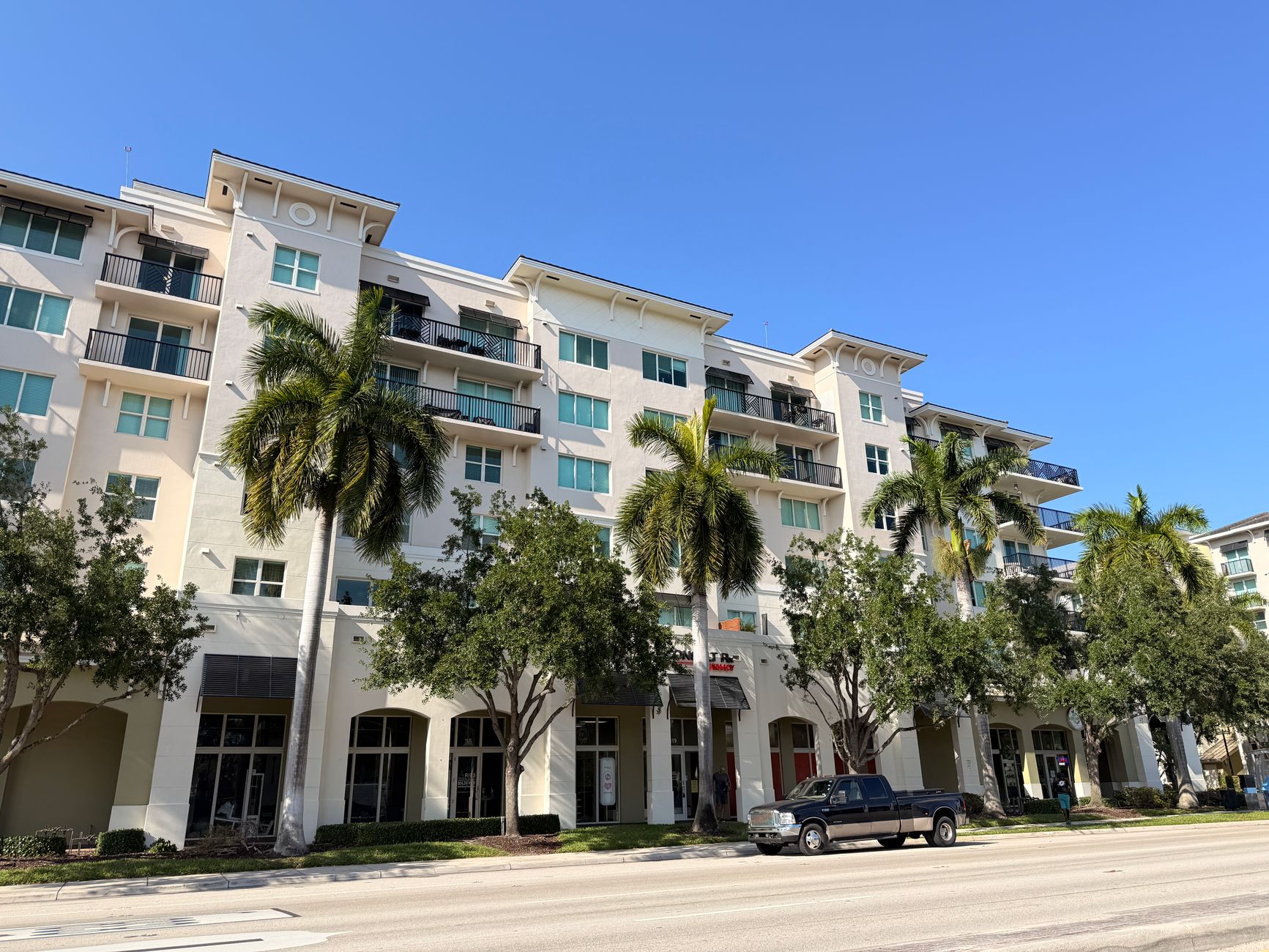
What those numbers actually describe is the bottom of the apartment stack - older, lower-grade multifamily product now competing directly with a wave of newly delivered Class A units offering one or two months free rent to fill lease-up quotas. That's a real problem for owners of that specific product. It's not a description of Tampa Bay real estate as a whole.
Metro apartment rent is the worst tool for making a neighborhood decision. It averages across asset classes, construction vintages, and geographies that have almost nothing in common with each other.
Estate Vida Tip
If you own or are buying a rental property in Tampa, the first question to ask is not "what are rents doing metro-wide?" It's "how many units have been permitted or delivered within a one-mile radius in the last 24 months?" That single data point will tell you more about your rent trajectory than any metro average.
The ZIP code split that most buyers are ignoring
When you break Tampa's rental data down to the ZIP level, a very different picture emerges. Ten of seventeen Tampa ZIP codes tracked on the June 2026 Zillow rent index are flat to positive year over year - and eight are outright up. Seven are negative. That's not a market in freefall. That's a market sorting itself.
The pattern isn't random. The ZIPs posting positive rent growth - Seminole Heights at +2.6%, Bayshore and Davis Islands at +2.1%, FishHawk at +4.1% - share one characteristic: no meaningful new apartment construction nearby. The ZIPs running negative are clustered around delivery corridors where thousands of units have hit the market within the last 18 months.
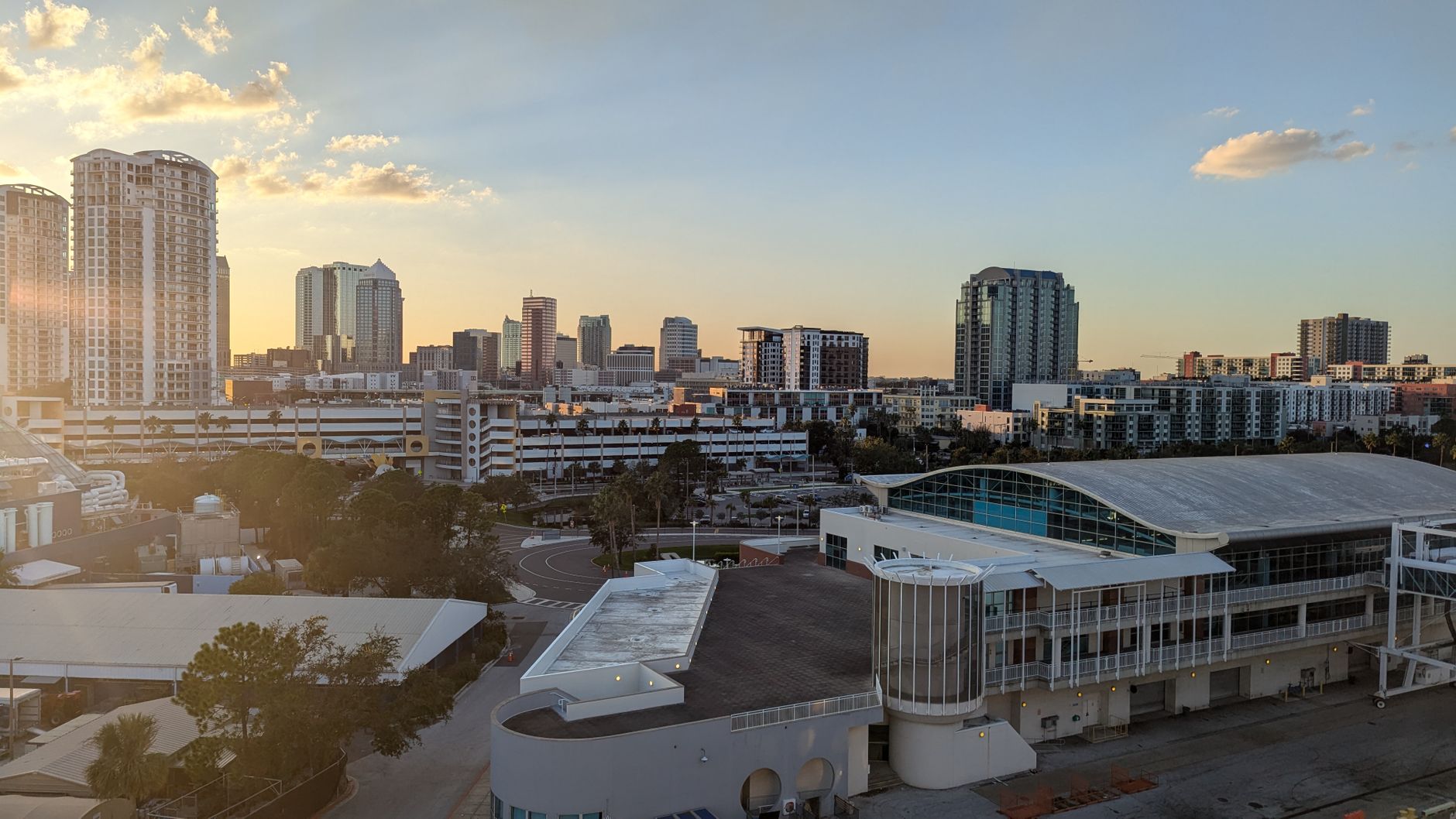
Downtown Tampa (33602) is the starkest example. It's posting the steepest home-value decline of any ZIP tracked - down 6.4% - with rents negative too. That's not a coincidence. That's what happens when a corridor absorbs a concentrated wave of new supply without a proportional increase in demand.
Estate Vida Tip
Buyers targeting investment properties near downtown Tampa or along the Channelside and Ybor City corridors should underwrite rent growth conservatively - assume flat to slight decline for at least 24-36 more months while the apartment pipeline clears. Build that assumption into your offer price, not your hope.
How apartment oversupply bleeds into single-family home values
This is the second-order effect most people aren't connecting. When apartment landlords in a corridor offer one month free, cut rents 10%, and stack concessions to fill units, they change the rent-vs-own math for everyone nearby. A renter who might have stretched to buy a $380,000 home in the Ybor City or downtown Tampa corridor now has a reason to stay a renter - and at a lower monthly payment than before.
That reduced buyer demand puts quiet downward pressure on home values in those same corridors - which is exactly what the downtown Tampa ZIP data is showing. The apartment glut and the home value decline aren't two separate stories. They're the same story running through the same corridors.
Meanwhile, in neighborhoods where rental supply is constrained - South Tampa, Seminole Heights, Westchase, Carrollwood - the rent-vs-own calculation hasn't shifted as dramatically. Buyers in those markets are still competing against a real cost of renting, which keeps demand more durable and days-on-market tighter. Well-priced homes in those neighborhoods are still selling in 21 to 35 days, while the broader metro average has stretched toward 41 days.
Estate Vida Tip
Sellers in South Tampa, Westchase, and Seminole Heights: your insulation from the apartment glut is a real competitive advantage right now, but it only works if you price correctly from day one. Buyers in those neighborhoods know they're paying a scarcity premium. They'll walk if the number isn't justified by the data.
What this means for the 3.8-month supply number
The Tampa Bay area's overall housing inventory sits at roughly 3.8 months of supply by some measures, with certain county and data breakdowns ranging up to 5.4 months. Either way, inventory is up sharply from the sub-two-month readings of 2021 and 2022. That headline has been covered thoroughly.
What hasn't been covered is that the inventory increase is itself unevenly distributed. Active listings in Tampa Bay are up roughly 18% year over year, but that growth is concentrated in corridors where new construction - both multifamily and single-family - has added the most product. In neighborhoods with genuine supply constraints, buyers are still finding limited options.
The practical consequence: a buyer shopping in Wesley Chapel or FishHawk has more negotiating leverage than a buyer shopping in Carrollwood or Westchase. Not because of any difference in home quality, but because of where the construction pipeline pointed over the last three years. Inventory is a neighborhood story, not a metro story.
Builders didn't build everywhere. They built where land was available. And where they built is exactly where buyers have the most leverage - and where sellers face the most pressure.
Estate Vida Tip
Buyers in high-inventory corridors like Wesley Chapel and eastern Hillsborough should be requesting seller-paid rate buydowns or closing cost contributions on every offer - not because sellers are desperate, but because the data supports the ask. I'm seeing these concessions granted regularly in those markets. The worst they can say is no.
The insurance layer underneath all of it
There's one more variable that the apartment-glut narrative doesn't fully account for: insurance. Tampa Bay's insurance costs have restructured the affordability math in ways that interact directly with the rent-vs-own decision.
Even as home prices have moderated - with Tampa's median sale price around $443,000, down roughly 1.4% year over year - the total cost of ownership has not moderated at the same pace. Flood insurance through FEMA's Risk Rating 2.0 framework, 4-point inspection requirements on older homes, and wind mitigation costs all add hundreds of dollars per month to ownership costs that don't show up in the purchase price or the mortgage payment.
In the corridors where apartment rents have declined the most sharply, that insurance burden is making the rent-vs-own decision even clearer in favor of renting - at least in the short term. A renter in downtown Tampa who was on the fence about buying is now facing lower rent and higher insurance-adjusted ownership costs simultaneously. That's a meaningful headwind for home demand in those specific markets.
- Flood zone exposure: Properties in AE or VE flood zones now carry Risk Rating 2.0 premiums that can reach $4,000-$8,000 annually - costs that aren't visible until after an offer is accepted.
- 4-point inspections: Homes built before 1990 in Tampa Bay routinely fail 4-point inspections, making them harder to insure and creating renegotiation leverage for buyers that sellers often don't anticipate.
- Citizens Insurance: Following SB 2A reforms, Citizens is actively shedding policies through depopulation - which means some buyers are being moved to private carriers mid-transaction at significantly higher rates.
Estate Vida Tip
Before you fall in love with a home in Tampa Bay, get an insurance quote - not an estimate, an actual quote - before you make an offer. I've watched buyers negotiate a $15,000 price reduction and lose it all when the insurance premium came in $200 a month higher than they expected. The insurance cost should be part of your offer math, not a surprise at closing.
My read on this
What I'm watching closely is whether the apartment delivery pipeline in Tampa starts to thin meaningfully in late 2026 and into 2027. Permit data suggests construction starts have slowed - financing for new multifamily got expensive fast when rates rose - which means the current glut could be closer to its peak than it looks. If that's true, the corridors getting hit hardest right now could stabilize faster than the headlines suggest.
But I wouldn't bet on a quick recovery in downtown Tampa or the Channelside corridor specifically. There's too much product to absorb, and the rent-concession cycle tends to take longer to clear than people expect. If I were buying an investment property today, I'd be looking at Seminole Heights, FishHawk, or inner Westchase - neighborhoods with rental demand that isn't being cannibalizedby new deliveries - and I'd be patient about downtown until the vacancy numbers actually move.
For primary buyers, the calculus is different. If you're buying a home to live in and you have a 5-10 year horizon, the ZIP-level noise matters less than you think. Find the neighborhood that fits your life, make sure the insurance math works before you make an offer, and price the deal against the actual comparable sales - not the metro average, and definitely not last year's prices.
The market isn't broken. It's just finally honest.
Questions I'm hearing
Are Tampa home values dropping in 2026?
At the metro level, Tampa's median sale price is down roughly 1.4% year over year, but the picture varies sharply by ZIP code. Downtown Tampa is down over 6%, while inland neighborhoods with limited new construction are holding flat or slightly positive. The metro average hides more than it reveals.
Is Tampa Bay a buyer's market or a seller's market right now?
It depends entirely on the neighborhood. High-inventory corridors in Wesley Chapel, eastern Hillsborough, and downtown Tampa are clearly buyer-favorable, with leverage on concessions and price. South Tampa, Westchase, and Seminole Heights are still closer to balanced, with well-priced homes moving in under 35 days.
How does the apartment building boom affect home prices in Tampa?
New apartment supply lowers rents, which weakens the rent-vs-own urgency for potential buyers - reducing demand for nearby homes and putting quiet downward pressure on values in those corridors. The effect is highly localized: neighborhoods without nearby apartment deliveries aren't seeing the same demand erosion.
Curious about how your specific neighborhood sits inside all of this? I'll pull the actual permit data, active inventory, and days-on-market for your ZIP and send it over. No pitch - just the numbers you need to make a smarter decision.