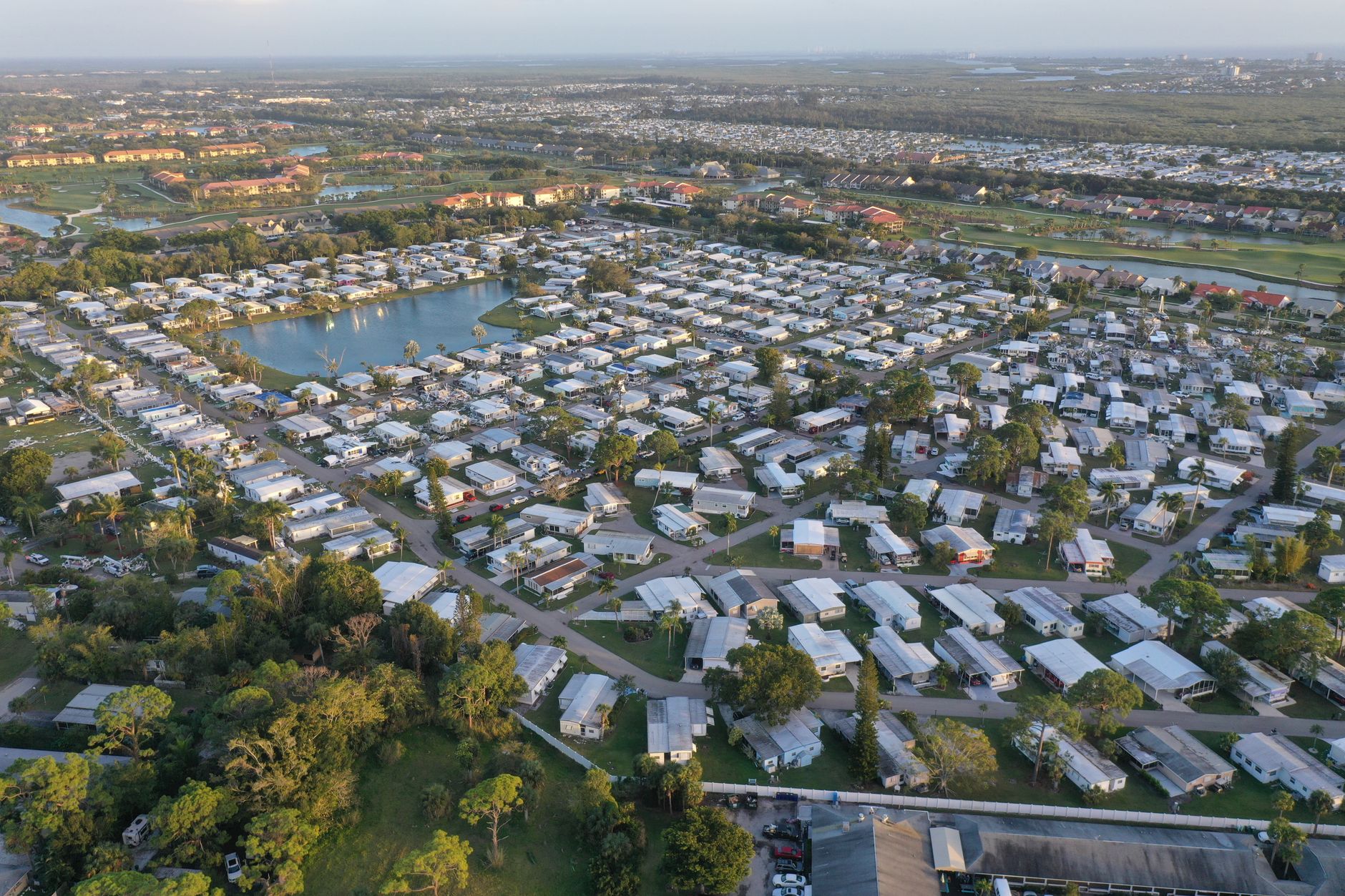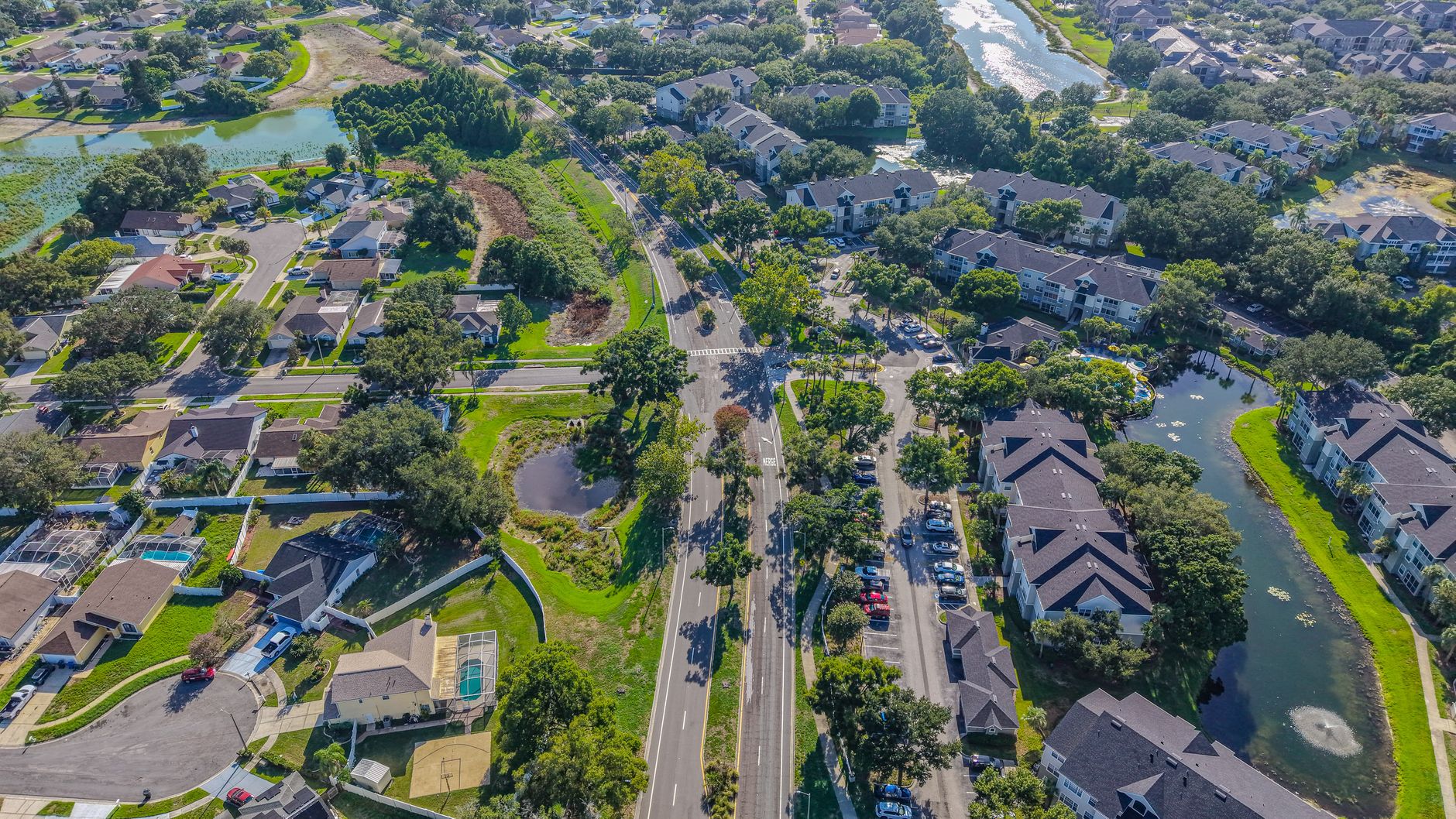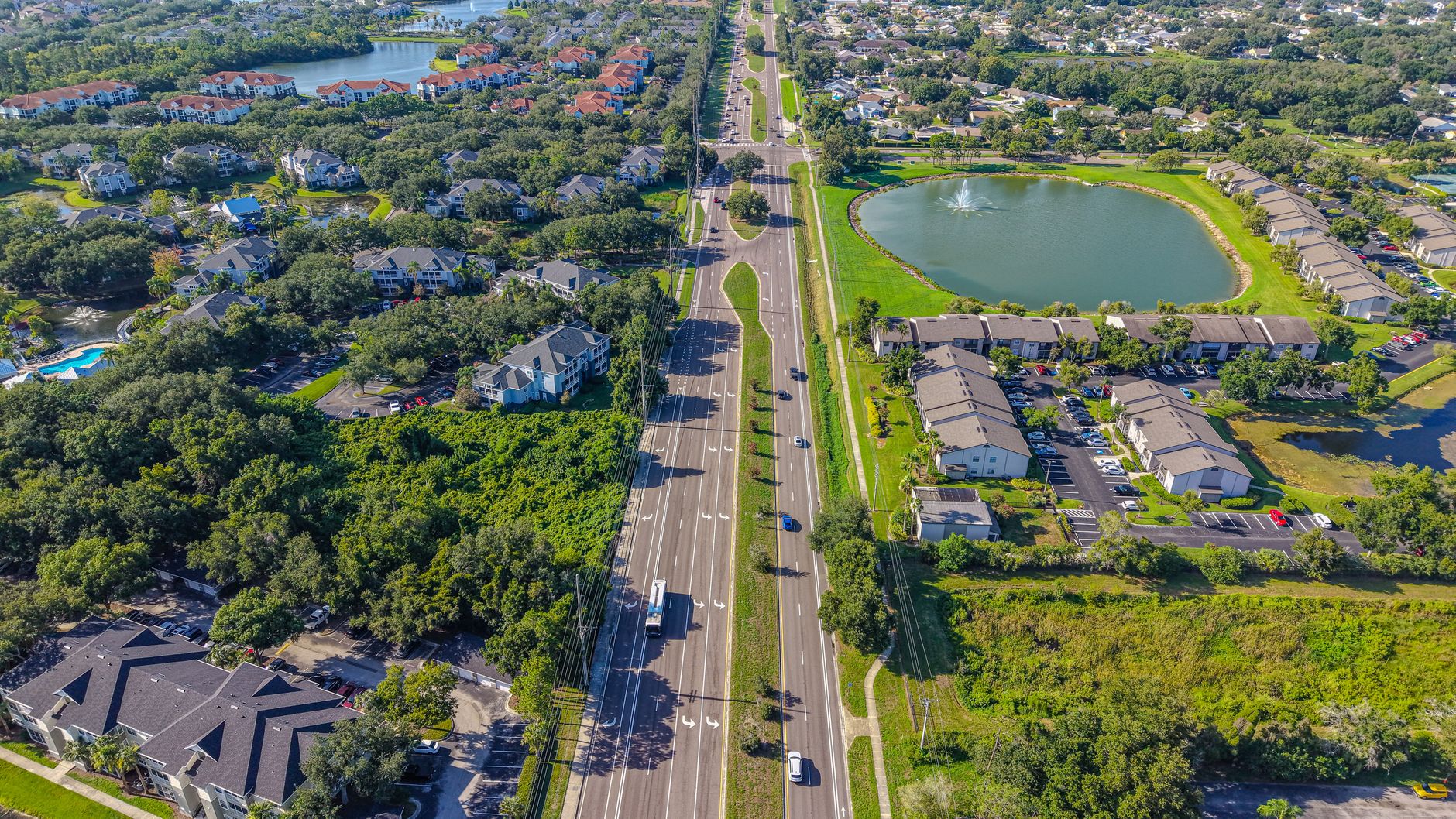
You've probably seen the headlines: Tampa Bay is now a buyer's market. Prices are falling. Sellers are cutting. The leverage has shifted. Come on in.
Here's what almost no one is explaining alongside that: mortgage rates just hit 7.40% in early October, up from 6.66% in late August. That's not a footnote. That's a 74-basis-point swing in roughly six weeks - and it quietly canceled a significant portion of the negotiating gains buyers spent two years waiting to collect.
Tampa Bay is, technically, a buyer's market right now. The data confirms it. But the more important question is whether most buyers can actually afford to use it.
What 'buyer's market' actually means in Tampa Bay right now
Realtor.com's Market Clock now classifies the Tampa-St. Petersburg-Clearwater metro as a buyer's market - alongside the North Port-Bradenton-Sarasota metro and, increasingly, Lakeland-Winter Haven. That classification reflects a real shift: more inventory relative to demand, longer selling timelines, and sellers who are genuinely negotiating.
The numbers behind it are meaningful. Tampa's median listing price fell 6.6% year over year to approximately $385,400 in September. More than 27% of active listings had taken a price reduction, compared to 20.8% nationally. Homes spent a median of 76 days on the market - 15 days longer than the national median. Single-family supply across the region sits near a 3.8-month level, which is looser than two years ago but still below the five-to-six months that defines true balance.
So the conditions are real. Sellers are adjusting. The take-it-or-leave-it era is over. I've watched buyers negotiate inspection repairs, seller concessions, and price reductions on the same transaction - something that was almost impossible in 2022.
A buyer's market only delivers its promise if the buyer can still qualify for the house they're negotiating on.
If you're actively shopping right now, get a new pre-approval letter this week - not the one from two months ago. Rates moved nearly 75 basis points in six weeks. Your purchasing power is different today than it was in August, and sellers' agents will ask.
Why the rate spike erases more than people realize
Here's the math most buyers aren't running. At 6.66% on a $385,000 loan, the principal and interest payment is roughly $2,475 per month. At 7.40%, that same loan costs approximately $2,660 per month - a difference of $185 every single month, or $2,220 per year. On a 30-year loan, that's over $66,000 in additional interest.
A 6.6% price reduction in asking prices sounds like a win. A 74-basis-point rate increase turns most of that win into noise. The negotiated discount and the rate increase are working in opposite directions at nearly the same magnitude. Buyers who locked in late summer are sitting on a genuinely different deal than buyers entering the market today.
This is why pending sales data looks the way it does. Redfin shows Tampa Bay pending sales down 5.9% year over year. The market has more leverage available than it has in years, and transaction volume is still declining. Those two things are not contradictions - they're cause and effect. The affordability ceiling is keeping buyers on the sideline even as conditions improve around them.
Ask every listing agent you speak with whether the seller is open to a temporary rate buydown as a concession. A 2-1 buydown can shave 2% off your rate in year one and 1% in year two - and in today's market, many sellers will fund it to get a deal closed. It's a better use of concession dollars than a price cut in most cases.
The inventory shrink that nobody is talking about
Here's the part that gets buried in the buyer's market narrative: Tampa Bay's inventory is actually contracting. Active listings in the Tampa metro fell 3.8% year over year in September - at the same time national inventory grew 5.4%. Locally, buyers are gaining leverage without gaining options. That's a strange combination.
What this tells me is that the buyer's market classification is driven more by demand compression than by supply flooding the zone. Sellers aren't leaving the market in large numbers; buyers are. Affordability - not inventory - is doing most of the work in suppressing prices. And that has a very different implication: if rates drop even modestly, the demand that comes back off the sideline meets a market that hasn't actually over-supplied. Prices could firm up faster than most people expect.
The metro average is the worst tool for making a neighborhood decision - and this is where it gets particularly important to go local. The median across Tampa Bay sits around $410,000 for single-family homes. But a home in Seminole Heights that needs work is priced and negotiated completely differently than a new build in Wesley Chapel or a waterfront property in South Tampa. Days on market in Carrollwood or Brandon might be pushing 90 days. Days on market in Hyde Park or Davis Islands for a correctly priced home can still be under 30.