Everyone keeps calling it a "softening market." And on the surface, the numbers seem to agree: median Tampa home prices are down 1.4% year-over-year as of spring 2026, homes are sitting 41 days on average versus 36 a year ago, and inventory has climbed to levels not seen in years.
But here's what almost nobody is saying: price-per-square-foot in Tampa is actually up 2.1% over the same period. A market that's softening doesn't do that. A market that's fracturing does.
Tampa Bay hasn't become a buyer's market. It's become three different markets wearing the same zip code. And the buyers and sellers treating this region as a single data set are making decisions on a map that no longer exists.
Why median price is lying to you right now
The median sale price tells you what the middle transaction looked like. It doesn't tell you why the middle moved. Right now in Tampa Bay, the composition of what's selling has shifted - more smaller homes, more suburban product, more entry-level closings in Pasco and outer Hillsborough - which drags the median down even as values in established neighborhoods hold or edge up.
Price-per-square-foot cuts through that noise. When that figure rises while the median falls, it's a signal that the mix is changing, not that every home is worth less. The median is the worst tool available for making a neighborhood-level decision. In a fracturing market like this one, it's actively misleading.
Sellers in South Tampa or Seminole Heights who look at metro headlines and reprice 5% below peak are leaving real money on the table. Buyers in Riverview who think they're navigating the same competitive conditions as Hyde Park are overpaying by not pushing harder on concessions.
Before you price or make an offer, ask for active listings, pending sales, and closed data filtered by your specific zip code - not Hillsborough County, not the metro. Median price at the county level is a conversation starter, not a pricing tool.
The three Tampa Bay markets that now operate by different rules
Here's what the submarket data actually shows heading into the second half of 2026:
- Hillsborough core (South Tampa, Hyde Park, Seminole Heights, Westchase, Carrollwood): Median prices hovering around $390,000-$408,000 with modest 2-4% year-over-year appreciation. Days on market are elevated compared to 2022 peaks, but well-priced homes are still generating multiple offers. The sale-to-list ratio across Tampa Bay broadly sits at 98.4%, and these neighborhoods are pulling that number up, not down. Seller still has leverage here - but only on correctly priced homes.
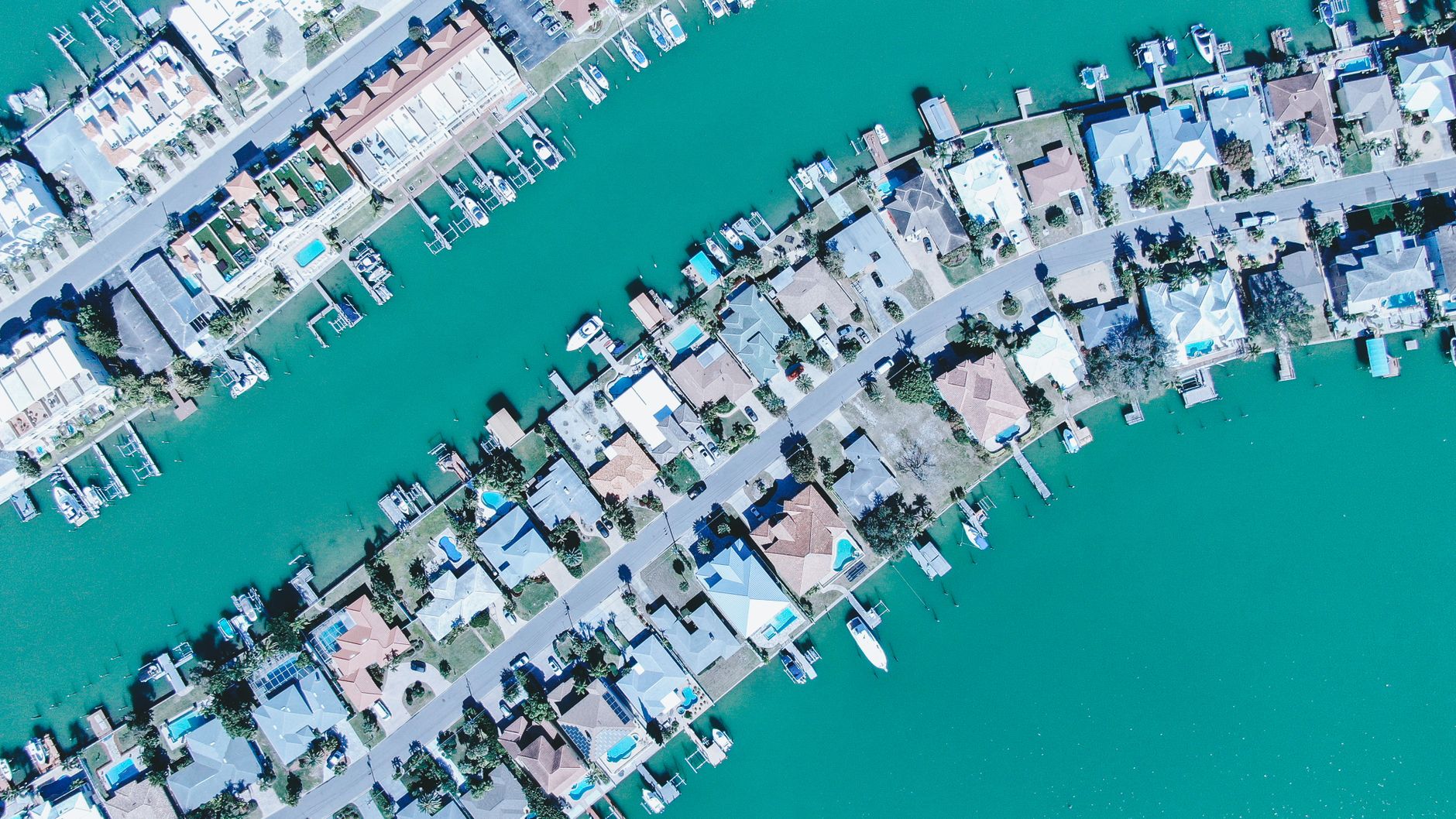
- Pinellas stabilizing zone (St. Petersburg, Clearwater, Dunedin): Median prices near $375,000 with inventory gradually rising. Coastal Pinellas remains a separate conversation - those properties face insurance headwinds that have structurally changed their buyer pool. But inland Pinellas and the St. Pete urban core are absorbing inventory steadily. Closed sales are rising even as prices plateau, which means buyers are engaging with corrected pricing. That's healthy, not alarming.
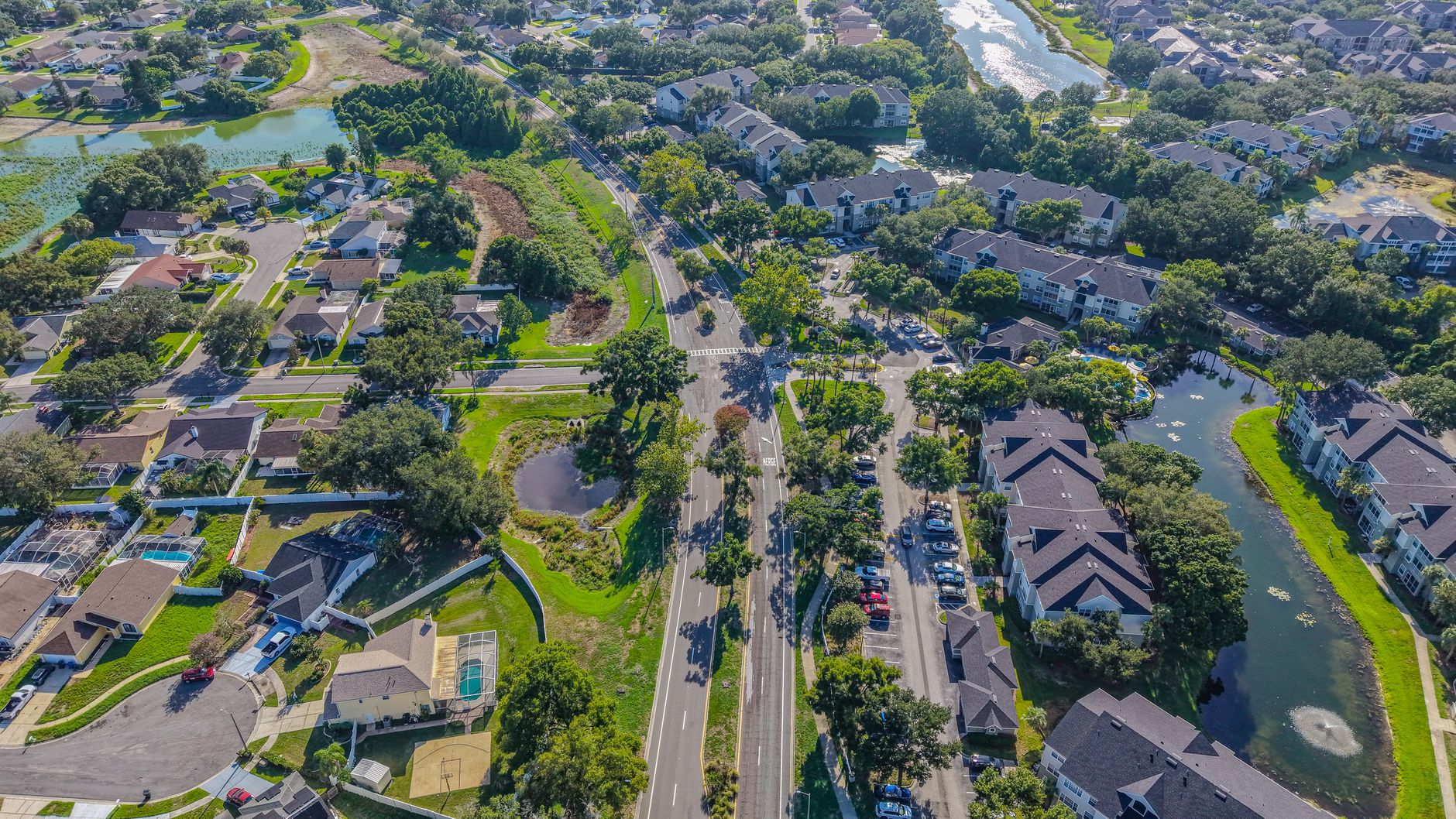
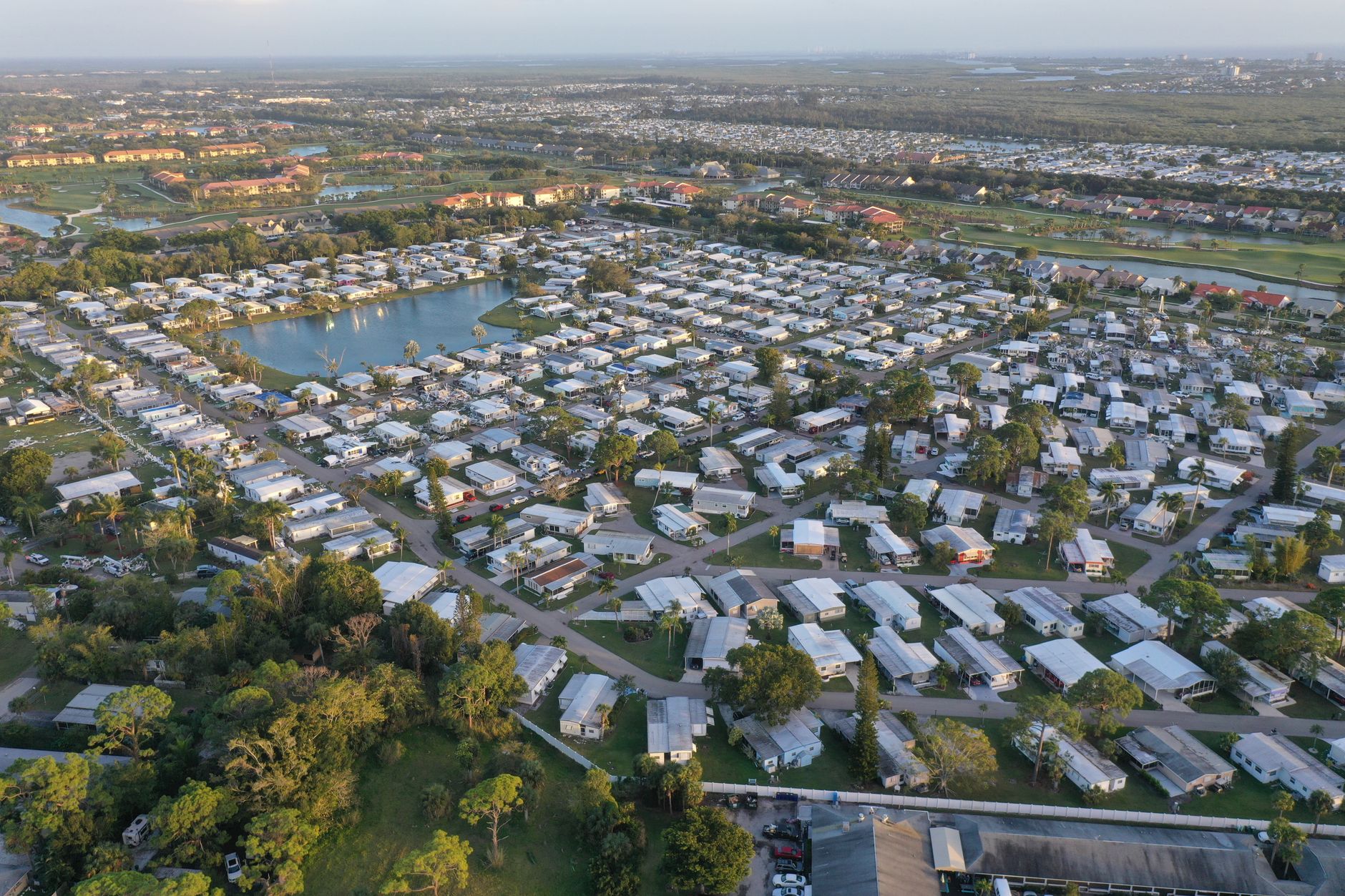
- Suburban buyer's market (Riverview, Brandon, Valrico, Wesley Chapel, Land O' Lakes, New Port Richey): This is where the market has genuinely tilted. Pasco County median prices sit near $340,000-$355,000, inventory is at multi-year highs, new construction pipelines are still active, and sellers in communities like Riverview and Brandon are cutting deals. Homes are sitting 44 to 98 days across this band. Buyers here have leverage they haven't had since 2019, and many don't realize it.
If you're buying in the suburban belt - Riverview, Brandon, Wesley Chapel - ask for a seller-paid rate buydown, not just a price cut. A 1-point buydown on a $350,000 purchase saves you more money over five years than a $10,000 price reduction. Sellers in that inventory environment will negotiate it.
Why new construction is widening the split, not closing it
The fracture between these three markets isn't random. It's being accelerated by where builders are and aren't building.
Outer Hillsborough and Pasco are where new construction pipelines remain active. That means resale sellers in those corridors are competing not just with each other, but with brand-new homes offering rate buydowns, warranty coverage, and flexible incentive packages. Builders aren't just selling homes. They're repricing every resale listing within a five-mile radius.
Pinellas has almost no room for new ground-up construction. That supply constraint is one reason St. Pete's urban core has held better than outer suburbs. Manatee County, anchored around Bradenton and stabilized near $420,000, sits in an interesting middle position - builder activity has slowed from its peak, which is actually giving resale sellers there some breathing room they didn't have in 2025.
If you're selling a resale home in Wesley Chapel, Land O' Lakes, or Riverview, pull the active builder incentive sheets from D.R. Horton, Lennar, and Pulte in your submarket before you set your list price. You are competing with those offers whether you acknowledge it or not.
The insurance variable nobody is pricing correctly
Underneath all of this sits a force that's quietly sorting the market in ways the data doesn't cleanly capture: insurance. Coastal Pinellas properties, flood-zone adjacents in South Tampa, and waterfront product across the bay have a buyer pool that has been meaningfully compressed by Risk Rating 2.0 flood insurance costs and carriers exiting the Florida market.
The SB 2A reforms passed in 2022 and 2023 were supposed to stabilize the market. They've helped at the margins - some private carriers have returned, Citizens Insurance has shed policies - but premiums on older coastal homes are still running $8,000 to $18,000 annually in some flood zones, which changes a buyer's monthly payment calculation more than a 0.5% move in mortgage rates does.