Back to all stories
Neighborhoods

Tampa's neighborhood price gap just hit a new extreme - and the metro average explains none of it

Ryan Snyder
Ryan Snyder · Team Leader, Estate Vida Team· October 13, 2026· 7 min read
Tampa's neighborhood price gap just hit a new extreme - and the metro average explains none of it
Aerial view of Seminole Heights Tampa historic bungalow streets with downtown Tampa skyline visible in background

You've probably seen the metro average. Median price around $380,000-$391,000, days on market climbing, inventory up from pandemic lows. Balanced market. Modest correction. The headline writes itself.

Here's the problem: that number is a mathematical average of neighborhoods that no longer behave like the same market. It's like averaging the temperature of a hot stove and a freezer and calling it comfortable.

The metro average is the worst tool for making a neighborhood decision in Tampa right now. What's actually happening is a divergence story - and where you buy (or sell) inside the same city determines whether you're entering a rising market, a flat one, or one quietly losing ground.

Why Seminole Heights is beating the metro by a wide margin

Seminole Heights posted a median sale price of $558,000 over the three months ending March 2026, up 6.2% year-over-year. Price per square foot is up 12.9% over the same period. That's not a typo, and it's not a blip driven by one outlier sale.

The neighborhood is doing something structurally different from the rest of Tampa: it's supply-constrained by design. Craftsman bungalows and Mediterranean Revival homes on historic lots don't get replicated. You can't build a new Seminole Heights. That scarcity, combined with genuine demand from buyers who want walkability, character, and proximity to downtown, creates a different pricing dynamic than any suburb can offer.

The tradeoff is real. Average days on market in Seminole Heights have stretched to 86 days, up from 56 days a year ago. That's not a collapsing market - it's a market that attracts a specific buyer who takes longer to commit. The homes still close. They just require patience from sellers who understand their product isn't for everyone.

Estate Vida Tip

If you're buying in Seminole Heights, don't let 86 days on market convince you there's room for an aggressive lowball. Days on market here reflects buyer selectivity, not seller distress. Pull sold comps from the last 60 days and negotiate from those - not from the asking price of what's been sitting.

Why Westchase holds its floor when other suburbs don't

Westchase sits at a median list price around $489,000-$550,000+, with entry-level 3-bed, 2-bath homes in the $500,000-$560,000 range and updated golf-course lots pushing $700,000-$850,000. In a market where many suburban zip codes are softening, Westchase isn't.

The reason isn't mystery - it's A-rated schools, a master-planned infrastructure that's genuinely hard to replicate, and a built-in community identity. Buyers in the 33626 zip code are often choosing Westchase specifically, not just a price point. That intent-driven demand creates a pricing floor that casual demand can't. When a buyer has to be in that school zone, they compete for it regardless of broader market conditions.

The nuance most buyers miss: Westchase isn't one price. The Vistas and Hampton Chase sections run $400,000-$550,000. The Bridges and larger gated sections push $700,000-$950,000. Countryway, the golf-course community just north of the master plan, runs $400,000-$650,000. The zip code is the same. The market dynamics inside it aren't.

Estate Vida Tip

If Westchase is on your list, identify which section fits your school assignment priority first, then price. Saville Rowe townhomes and Hampton Chase villas serve different buyers than Glencliff or The Bridges. Treating the whole community as one price tier is how buyers overpay or miss their actual entry point.

Why Wesley Chapel is a different problem entirely

Wesley Chapel's median sits in the $420,000-$460,000 range, with new construction townhomes starting in the mid-$200s and luxury single-family estates pushing $900,000+. More than 200 active new-build communities are currently selling across the area, with national builders like Lennar, Taylor Morrison, M/I Homes, and GL Homes all competing for the same buyer pool.

That builder density is both the appeal and the risk. When you have 200 communities competing, builders start doing things resale sellers can't match: rate buydowns, closing cost contributions, free upgrades, extended warranty packages. A resale seller in Wesley Chapel isn't just competing with the house down the street - they're competing with a brand-new home at a comparable price with a builder incentive stack attached.

Builders aren't just selling homes in Wesley Chapel. They're competing with every resale listing in a 10-mile radius - and they have a financing desk to close the deal.

Days on market for Wesley Chapel resale homes have climbed to 35-50 days, still faster than Tampa proper but trending longer. Sellers who priced based on 2022 comps are sitting. The buyers who have leverage here are the ones walking into a builder's community with a pre-approval and a willingness to negotiate incentives - not the ones looking at five-year-old resales priced like it's a seller's market.

Estate Vida Tip

If you're buying resale in Wesley Chapel, your best negotiating tool is a builder quote. Get a written estimate from two or three active communities nearby showing comparable square footage and price. Bring that to resale negotiations. Sellers who understand the competition will move. Those who don't aren't worth your time right now.

The dynamic most buyers are missing: it's not just price, it's the cost structure underneath it

Here's where the neighborhood divergence gets more complicated than price-per-square-foot comparisons. Wesley Chapel communities often carry CDD fees - Community Development District assessments that can add $1,500-$3,500 per year to your effective cost of ownership and don't go away after closing. Westchase has HOA dues. Seminole Heights has older infrastructure and homes that often require 4-point inspections and wind mitigation reports before insurers will write a policy.
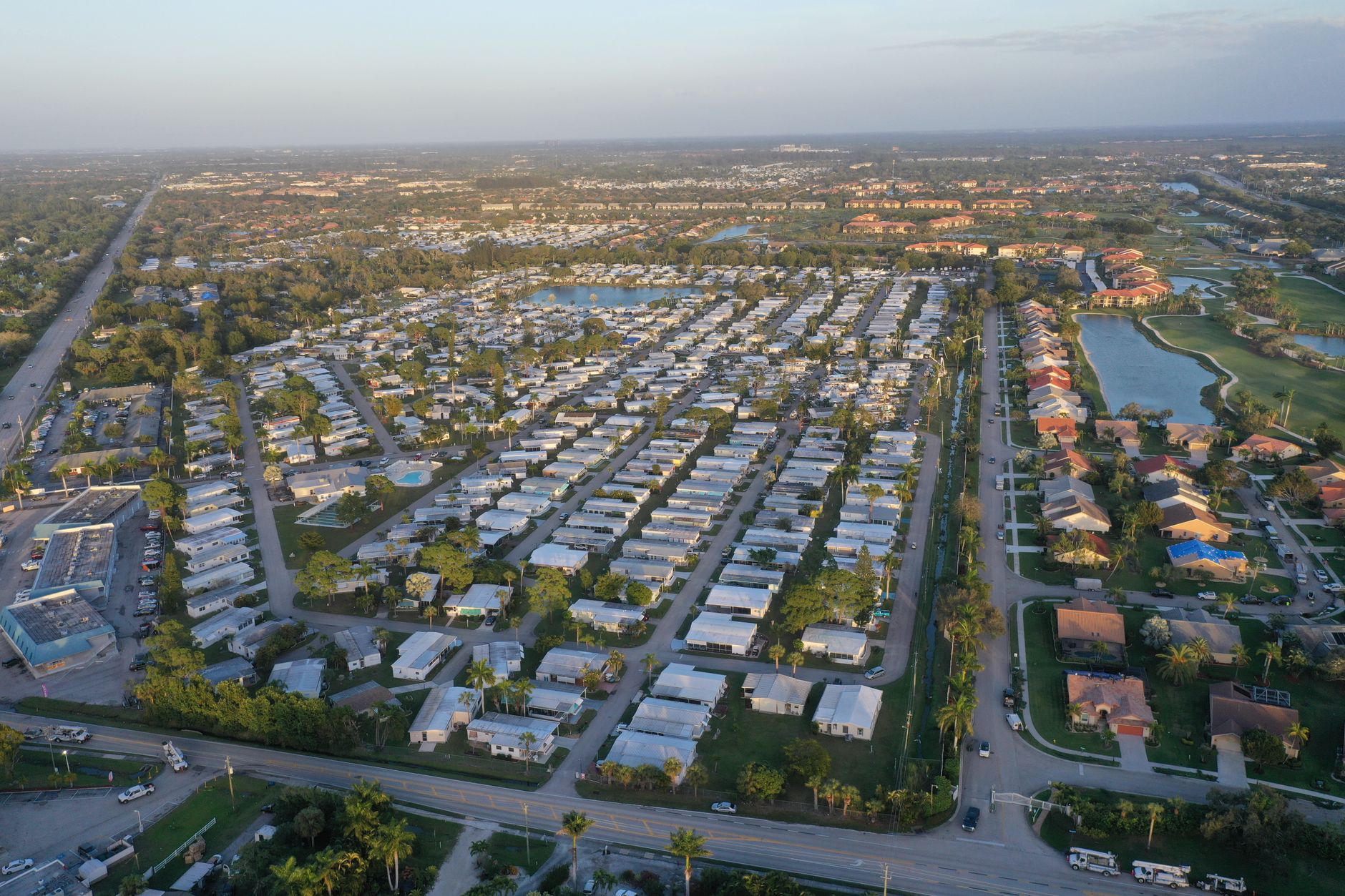
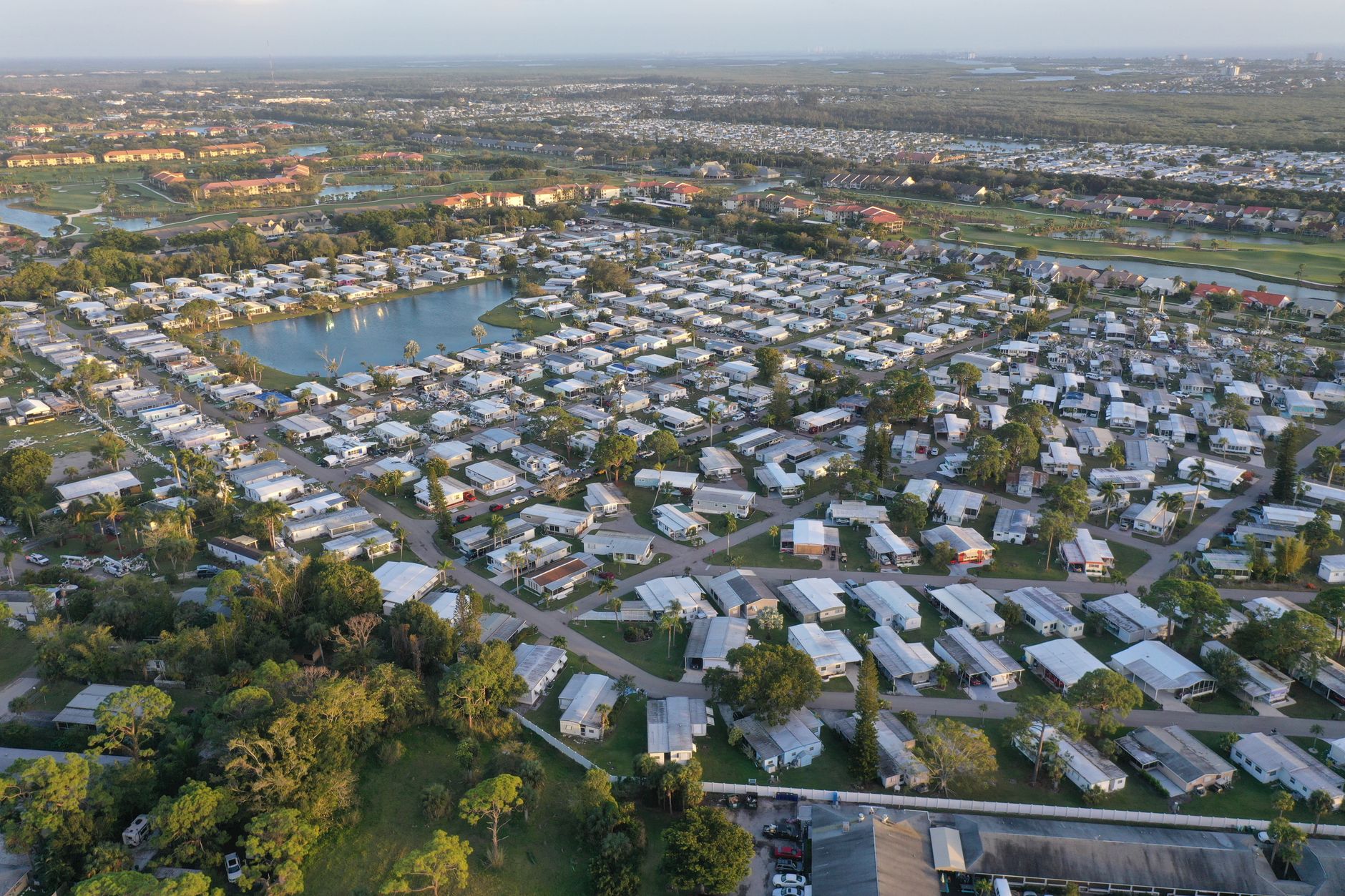
The sticker price is only the beginning. Two homes priced at $450,000 in Wesley Chapel and Seminole Heights can carry annual cost differences of $5,000-$8,000 once insurance, CDD fees, HOA dues, and flood zone exposure are factored in. That gap compounds over a 7-year hold. Most buyers compare purchase price and monthly mortgage. Almost none of them compare total annual cost of ownership across neighborhoods before they decide where to look.

Insurance exposure is the underappreciated differentiator. Coastal Pinellas zip codes are paying 40-50% more than the state average in some cases, with premiums exceeding $10,000-$20,000 annually in high-risk flood zones. Inland Hillsborough neighborhoods - Carrollwood, Westchase, New Tampa, parts of Seminole Heights - have a structural insurance advantage that doesn't show up in the listing price but absolutely shows up in the monthly payment and resale value over time.

Estate Vida Tip

Before you finalize a neighborhood shortlist, ask for current insurance quotes on specific addresses - not estimates. Also pull the FEMA flood zone designation and request the seller's most recent 4-point inspection if the home is over 25 years old. These numbers will tell you more about the true cost of that neighborhood than the listing price ever will.

What South Tampa and Davis Islands are doing that nobody talks about

South Tampa - Hyde Park, Davis Islands, Palma Ceia, Beach Park, Ballast Point - operates in a category the rest of Tampa simply can't enter. Davis Islands average home values sit around $1.38 million. Culbreath Isles pushes $2.94 million. Hyde Park starts well above $800,000.

These neighborhoods aren't immune to the broader market - they're just insulated from it in ways that matter. Waterfront land is finite. Flood risk here is real, but the buyers in this price range typically have the financial depth to absorb insurance costs that would disqualify a first-time buyer. And the demographic buying in South Tampa tends to be relocating executives and cash buyers who aren't rate-sensitive. That changes the supply-demand math entirely.

I've watched buyers price out of South Tampa, move their search to Seminole Heights as the next step down, and find prices there rising faster than expected - precisely because that same displacement dynamic is already baked in. The affordability chain in Tampa is compressing from the top down, and each neighborhood's ceiling is now set by the one above it.

Estate Vida Tip

If South Tampa is aspirational but not immediately affordable, track Seminole Heights and Tampa Heights as the adjacent value plays. These neighborhoods capture displaced South Tampa demand first. Buyers who get in before that demand fully reprices them will look smart in three years.

My read on this

The metro softening story is real, but it's mostly a condo story and a poorly-located suburban resale story. It's not a Seminole Heights story. It's not a Westchase story. And it's not a Wesley Chapel new construction story, where builders are actively moving product with incentives that keep the market liquid regardless of what rate headlines say.

If I'm buying right now, I want to be in a neighborhood with genuine scarcity - something that can't be rebuilt or replicated. Seminole Heights qualifies. Historic South Tampa qualifies. Parts of St. Pete qualify. What I'd personally avoid is resale inventory in high-builder-density suburban corridors without a compelling reason to pay a premium over what a builder is offering two streets away with a rate buydown attached.

If I'm selling, the most dangerous thing I can do is price based on my neighborhood's peak or the metro average. Those numbers are different from what today's buyers are willing to pay on a specific street, in a specific school zone, with a specific insurance profile. The sellers who understand their micro-market are closing. The ones anchored to 2022 are sitting at 90+ days wondering what went wrong.

The data here points to one clear conclusion: in 2026, the most important real estate decision you make in Tampa Bay isn't buy or sell. It's where.

Questions I'm hearing

Are Tampa home prices dropping in 2026?

At the metro level, prices are flat to modestly down - the median sits around $380,000-$391,000, off from recent peaks. But that average conceals sharp neighborhood-level differences. Seminole Heights is up 6.2% year-over-year while some suburban resale pockets are softening. The metro number alone won't tell you what's happening on your street.

Is Wesley Chapel a good place to buy a home right now?

Wesley Chapel offers genuine value in terms of new construction quality and school access, but the builder competition is intense - over 200 active communities are competing for buyers. Resale sellers face real pressure from builder incentives. If you're buying, lean toward new construction with negotiated incentives rather than resale priced at peak-era values. Also account for CDD fees, which add to your true annual cost.

What Tampa Bay neighborhoods are holding value best in 2026?

Neighborhoods with genuine scarcity and school-zone pull are holding best: Seminole Heights, Westchase, Hyde Park, and Palma Ceia. These areas have structural demand anchors - historic character, A-rated schools, or waterfront access - that insulate them from the broader correction. Coastal condos and high-HOA buildings in flood-exposed zip codes are under the most pressure.

Curious about a specific neighborhood? I'll pull together the actual sold comps, days on market by street, and insurance profile for wherever you're looking and send them straight to you. No pitch - just the local data that actually helps you decide.

Live inventory

Browse homes in the areas this story covers

Related Stories