You've probably been watching mortgage rates the same way everyone else has - refreshing Freddie Mac's weekly average, waiting for a number that feels acceptable. Right now that number is 6.95%, and it just hit an 11-month high after the Fed raised its benchmark rate in September for the first time since 2023.
Here's what almost everyone is missing: the rate on the lender's sheet is not your rate. In this market, your rate is the result of a negotiation - and Tampa buyers have more negotiating power right now than at any point since 2008. The question isn't whether to wait for rates to fall. The question is whether you know how to make a seller pay to bring the rate down today.
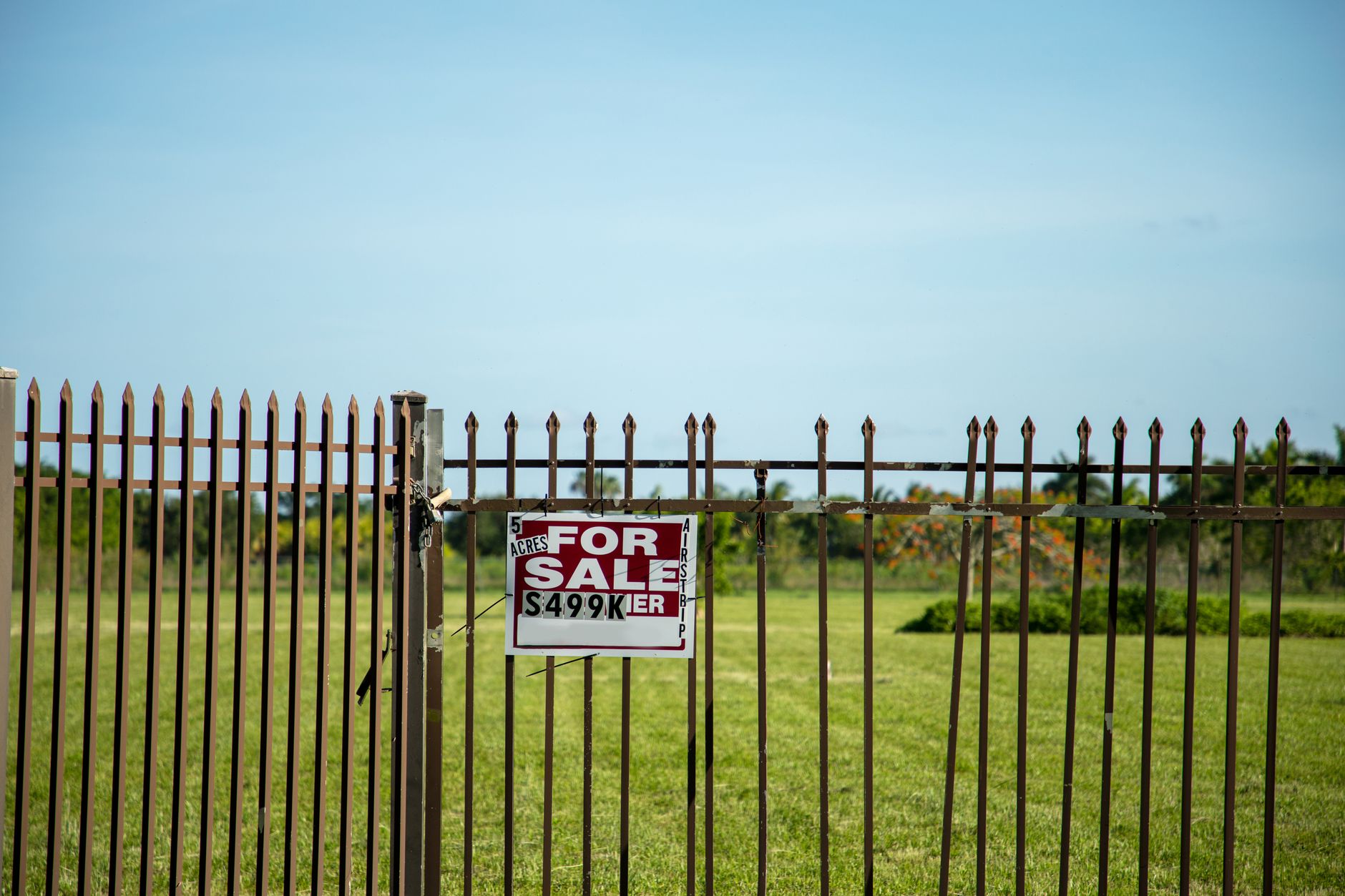
The data is specific. Tampa has 103.7% more sellers than buyers - 26,749 sellers competing for 13,134 buyers as of September 2026, according to Redfin. That imbalance recorded the second-largest single-month surge in the country, jumping 21.5 percentage points in one month. When that kind of pressure meets a rate spike, sellers don't hold the line. They pay.
Why the posted rate is the wrong number to negotiate around
The mortgage rate gets every headline. But it's only one input into what you'll actually pay each month, and treating it as the whole story is the most expensive mistake Tampa buyers are making right now. On a $420,000 home - close to the metro median - with 20% down, the jump from last year's 6.26% to today's 6.95% adds roughly $155 per month to principal and interest. That's $1,860 a year. Over five years, it's $9,300 before you consider refinancing.
That number is real. But so is this: in a market where sellers outnumber buyers by more than two to one, a seller-paid rate buydown of 1 to 2 points can eliminate that gap entirely - and in many cases, push your effective rate below what the market was offering a year ago. The math works in the buyer's favor. The problem is most buyers aren't asking for it specifically enough.
The posted mortgage rate is what you pay when you don't negotiate. In Tampa right now, you should be negotiating.
Don't ask for a vague "seller credit." Ask specifically for a 2-1 buydown or a permanent rate buydown funded by the seller at closing. The distinction matters. A 2-1 buydown reduces your rate by 2% in year one and 1% in year two before settling at the note rate. On a $336,000 loan at 6.95%, that means a first-year rate of roughly 4.95% - nearly $300/month less. Sellers in Wesley Chapel, Brandon, and Carrollwood are agreeing to these right now. Ask by name.
Where the leverage is actually concentrated in Tampa Bay
Tampa's seller surplus isn't evenly distributed, and that distinction changes the negotiation entirely. The highest leverage exists in price bands and neighborhoods where new construction is simultaneously competing for the same buyer. In communities like New Tampa, Westchase, and the broader Pasco County corridor, builders are offering rate buydowns, closing cost credits, and design center allowances as standard practice. Resale sellers in those same corridors have no choice but to match that offer structure or lose the buyer to a brand-new home down the street.
South Tampa and Hyde Park operate differently. Supply is more constrained, turnover is lower, and sellers closer to the water aren't facing the same inventory pressure. The leverage conversation in those neighborhoods is more about inspection credits and repair escrows than rate buydowns. Knowing which tool fits which neighborhood is the difference between a good deal and a missed one.
The broader picture: pending sales are down 5.9% year over year across Tampa Bay, and homes are averaging 70 days on market according to Redfin. The median sale price for single-family homes sits near $420,000 and has been remarkably stable for two years. Sellers are not in freefall - but they're not in control either. That middle zone is where concessions live.
Before writing an offer, pull the seller's original list price and compare it to current ask. If they've already cut price once, they've signaled flexibility - but they may be reluctant to cut again. That's the moment to pivot: instead of pushing for a lower price, ask for the same price with a seller-paid buydown. You get a lower monthly payment without cornering them into a public price reduction. It's a better trade for both sides.
The concession you want is not the concession most buyers are asking for
I've watched buyers ask for "up to 3% seller concessions" as a blanket line in their offer. That framing leaves real money on the table. A generic credit can go toward closing costs, prepaids, or rate buydown points - but lenders apply it in a specific order, and without direction, the allocation often lands on the least impactful line items.
A seller-paid permanent buydown - where the seller pays discount points to reduce your note rate for the full loan term - delivers compounding value over the life of the loan that a one-time closing cost credit simply cannot match. At today's rates, paying 1 discount point on a $336,000 loan costs roughly $3,360 and buys approximately 0.25% off the rate permanently. Over a 7-year ownership horizon, that saves more than the point cost. Ask your lender to run both scenarios before you make the call.
There's also the FHA angle worth flagging. FHA loans allow seller concessions up to 6% of the purchase price, versus the 3% cap on conventional loans above 90% LTV. For first-time buyers in the $300,000-$380,000 range - homes in Seminole Heights, Ybor City fringe, or parts of St. Petersburg - that extra concession room is meaningful and underused.
Run a concession comparison before your offer goes in: have your lender calculate the monthly payment difference between (a) a price reduction of $10,000 and (b) a seller-paid rate buydown costing $10,000. In most scenarios at current rates, the buydown wins by a wider margin than most buyers expect - especially if you plan to own for more than 4 years.
What rising rates are doing to the Tampa buyer pool - and why that matters for your timeline
Every time rates move up, a portion of qualified buyers gets pushed out of their target price range. When the 30-year rate moved from 6.26% to 6.95% over the past year, the purchasing power on a fixed monthly payment of $2,251 dropped from covering a $340,000 loan to roughly $317,000. That's a $23,000 reduction in what a buyer can borrow at the same payment - before insurance and taxes.
In Tampa Bay's $350,000-$500,000 price range, that compression matters. It directly reduces the pool of buyers who can compete for a given listing. Fewer competing buyers means the seller's next offer is less likely to arrive quickly - and the one they have in front of them becomes more valuable. Buyers who understand this dynamic don't panic about rates. They use the rate environment as cover to negotiate harder on terms.
The Fed's own September projections point to one more potential increase before the end of 2026, with inflation tracking near 3.7% to close the year. If that materializes, rates could push closer to 7.25%. That's not a reason to rush carelessly. It is a reason to stop waiting for a rate that may not arrive and start using the tools the current market is handing you.
If you're worried about buying at 6.95% and getting stuck, ask your lender about a float-down option or a no-cost refinance provision. Some lenders will allow you to refinance at no cost if rates drop by a set amount within a defined window - typically 12 to 24 months. It's not universal, but in a market where lenders are also competing for business, it's worth asking directly.
My read on this
The rate conversation in Tampa has become noise. Everyone's watching Freddie Mac's weekly number as if it's a signal to act or wait, when the actual opportunity is sitting inside the offer itself.
If I were buying in Tampa Bay right now - specifically in the $380,000-$500,000 range in areas like New Tampa, Brandon, or Westchase - I'd be laser-focused on seller-funded rate concessions, not price reductions. Price cuts feel good on paper. A permanent buydown changes what you pay every single month for the duration you own the home.
I'd be more cautious in flood-prone coastal corridors where insurance costs are still absorbing buyer capacity in ways that a rate buydown can't fully offset. The four-point inspection, the wind mitigation report, and the Citizens Insurance policy renewal risk are all part of the affordability equation that the mortgage rate doesn't touch. In those areas, I'd push harder on inspection protections and insurance assumption reviews than on rate mechanics.
The window where sellers are this motivated and inventory is this elevated won't last indefinitely. Redfin's summer data already showed a 10% year-over-year decline in active listings beginning to take hold. The surplus is real today. It may look different in six months. The buyers who take the current leverage seriously - and know exactly how to structure it - are the ones who will look back at 2026 as the year they bought smart.
Questions I'm hearing
Are Tampa home prices dropping in 2026?
The median sale price for Tampa Bay single-family homes has held near $420,000 for roughly two years - relatively flat, not crashing. Some zip codes and condo categories are seeing downward pressure, but broad price collapse isn't the story. The real shift is in days on market and seller concessions, not sticker price.
Should I wait for mortgage rates to drop before buying in Tampa?
Waiting for rates to fall while Tampa has 103.7% more sellers than buyers means passing on real negotiating leverage today for a rate environment that may or may not arrive. A seller-paid buydown can replicate the effect of a rate drop without requiring you to time the market correctly. Run the math on your specific loan before deciding.
What seller concessions can I ask for in Tampa right now?
With homes sitting an average of 70 days on market and pending sales down 5.9% year over year, sellers are agreeing to closing cost credits, rate buydowns, repair escrows, and extended inspection periods. On conventional loans, concessions max at 3% of purchase price above 90% LTV; FHA allows up to 6%. The specific ask matters - a seller-paid rate buydown delivers more long-term value than a generic closing cost credit of the same dollar amount.
Curious what the actual concession landscape looks like in your target neighborhood? I'll pull the recent sold data and show you what sellers have actually been agreeing to - no pitch, just numbers you can use to structure a smarter offer. Reach out and I'll put it together.