Everyone keeps saying Tampa Bay is a buyer's market. The number they're citing is real. The problem is it's averaging two markets that no longer behave the same way.
Single-family homes in Hillsborough County are sitting at a 4.0-month supply. Condos and townhouses are at 6.2 months. That's not a rounding difference. That's a structurally separate market - with different buyers, different financing rules, different insurance exposure, and a very different negotiating table.
The metro average combines them and spits out a number that describes neither. Here's what's actually happening beneath it.
Why the condo inventory number is more alarming than it looks
Six-point-two months of condo inventory sounds like a buyer's advantage. It is - but not in the way most buyers expect. The issue isn't just supply. It's why the supply is there, and why it's staying.
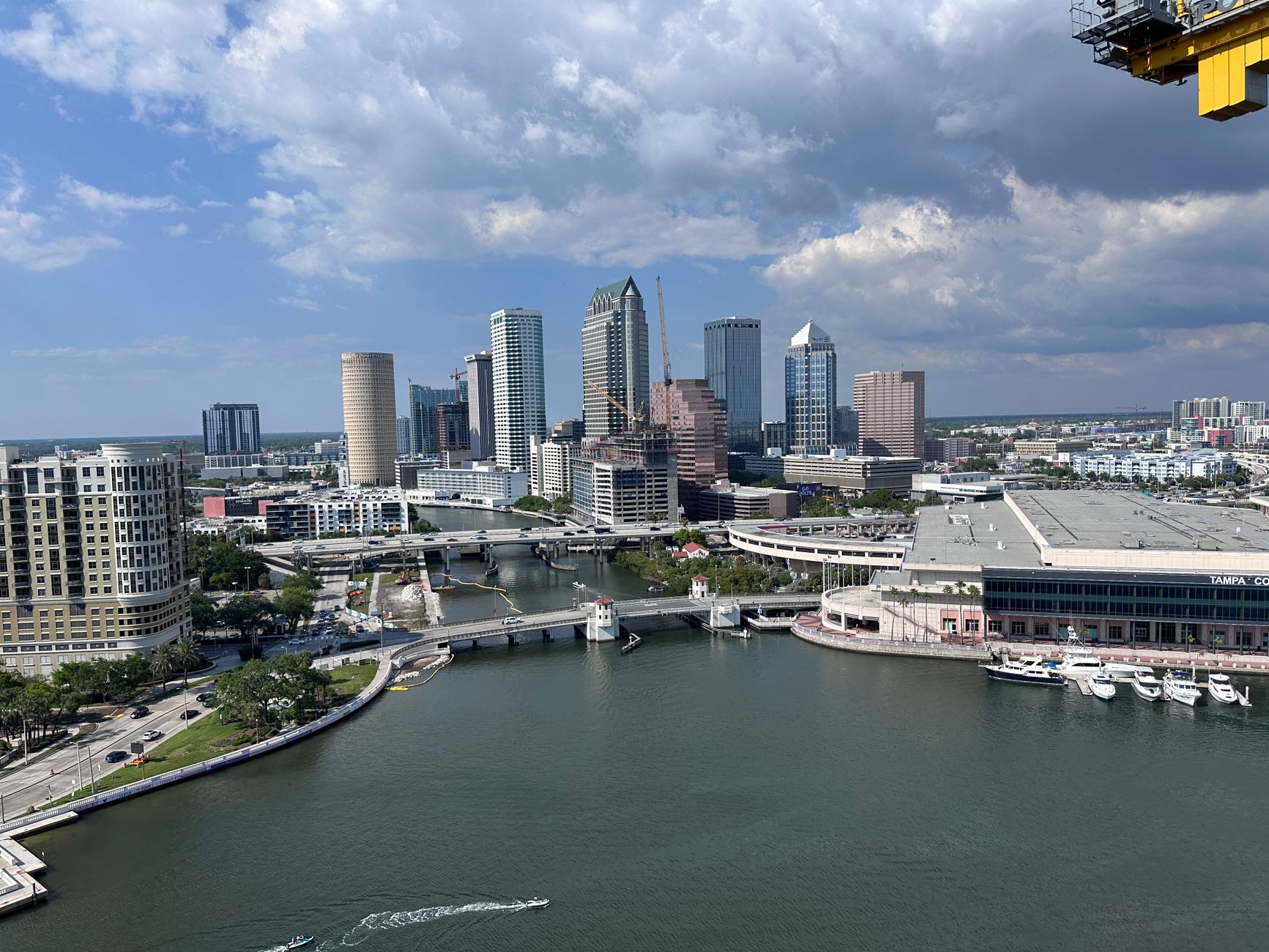
New pending condo sales in Tampa fell 15.8% year over year in October 2026. That means demand is retreating faster than supply is growing. When fewer buyers are absorbing existing inventory, even a flat new listing count produces a worsening glut. That's the dynamic playing out right now across Channelside, downtown St. Pete, and suburban condo corridors in Brandon and New Tampa.
At the same time, the median listing price for Tampa homes fell more than 8% year over year while the median sold price only moved 1.2%. That gap - between what sellers are asking and what buyers are actually paying - is widest in the condo segment, where nearly half of all active listings have already seen at least one price reduction.
If you're a condo seller in Channelside, South Tampa, or downtown St. Pete, the ask-to-sold gap is working against you. Price at the sold comps from the last 60 days, not the active listings around you. Active listings are your competition, not your anchor.
What's actually driving condo buyers away
It's tempting to blame mortgage rates. Rates are above 7% again, and that's a real headwind. But rates hit single-family buyers just as hard, and that segment is holding at a healthier 4.0-month supply. Something else is suppressing condo demand specifically.
Three forces are doing it simultaneously.
- Financing walls: FHA and conventional lenders now require condo associations to meet stricter reserve and insurance requirements before they'll approve a loan. Associations that can't pass a lender's spot approval process lose a significant portion of the buyer pool immediately - often without the seller knowing until they're already under contract.
- HOA and CDD fee inflation: Florida's condo reserve mandate, accelerated after the Surfside collapse, has forced associations to levy special assessments and raise monthly dues. In some South Tampa and St. Pete Beach buildings, monthly carrying costs have climbed by hundreds of dollars in the last two years. That's a real affordability hit that doesn't show up in the list price.
- Insurance contagion: When a condo association's master policy gets repriced - or non-renewed - every unit in the building is affected simultaneously. Individual unit owners have no control and limited recourse. I've watched buyers walk away from units in otherwise desirable buildings the moment they saw the association's insurance renewal terms.
The list price on a condo is only part of the cost. The association's insurance policy, reserve fund, and lender approval status are the other three - and they're the ones most buyers check last.
Before making an offer on any condo, request the association's most recent budget, reserve study, master insurance declaration page, and any pending special assessments. These four documents will tell you more about the real cost of ownership than 30 viewings ever will.
Where single-family is holding - and why
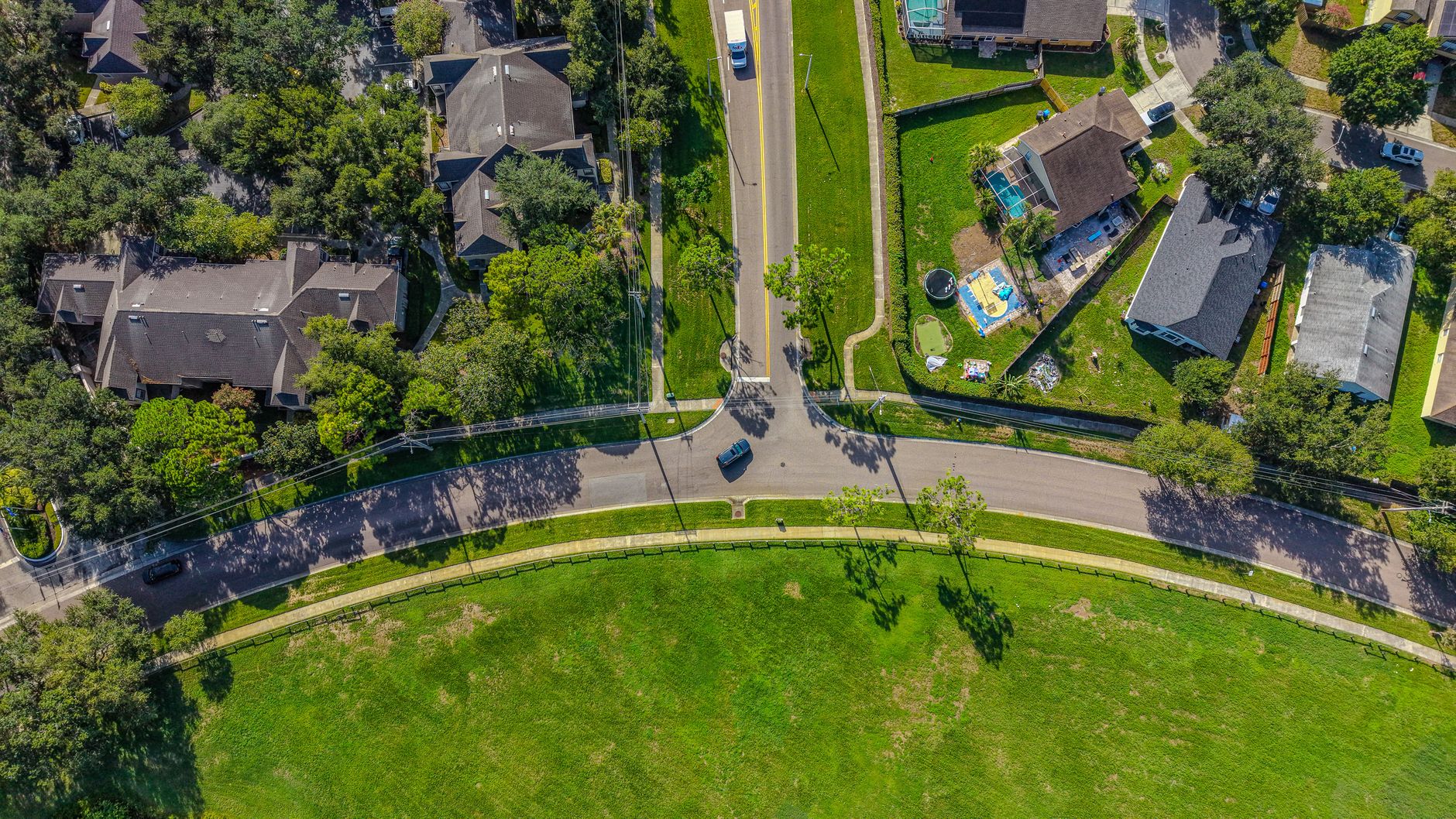
Four months of supply in the single-family segment puts Hillsborough County close to a balanced market. That's a meaningfully different conversation than the condo side. Move-in-ready homes in Seminole Heights, Carrollwood, and Westchase are still moving in under 60 days when priced correctly. Inland Pasco County - Watergrass, Epperson, Connerton - continues to absorb demand from buyers priced out of South Tampa and Wesley Chapel resale markets.
Builders are still a factor here. New construction in Wesley Chapel and Land O'Lakes is offering rate buydowns and closing cost assistance that resale sellers can't easily match. That competition from builders is quietly capping how aggressively resale single-family sellers can price. But at least the buyer demand exists. In the condo market, the demand erosion is structural, not just rate-driven.
The other factor stabilizing single-family: insurance, while painful, is at least individually negotiable. A buyer can choose their insurer, shop wind mitigation credits, and control the outcome. In a condo, they inherit whatever the association negotiated - and Florida's Citizens Insurance eligibility rules don't apply to master condo policies the same way they apply to single-family homes.
If you're a single-family seller competing near new construction corridors in Pasco or Hillsborough, don't try to out-price the builders. Out-condition them. Builders can offer a buydown; they can't offer a Seminole Heights backyard, an established street, or a 10-minute commute to downtown Tampa. Lead with what new construction literally cannot replicate.
The neighborhood split that the county data obscures
Even within condos, the market isn't uniform. That 6.2-month figure covers everything from a waterfront high-rise on Bayshore Boulevard to a 1980s garden-style unit in Brandon. Those are not interchangeable.
Condos in walkable, amenity-rich neighborhoods - downtown St. Pete's Edge District, Hyde Park Village, Ybor City's newer mid-rise product - are faring better than suburban condo corridors where the only real draw is price. The metro average is the worst tool for making a neighborhood decision. A buyer using the county-level 6.2-month figure to negotiate a unit near Bayshore is working with the wrong number. A buyer using the same figure in a Brandon mid-rise is probably still underestimating their leverage.
Hyperlocal comps - building-level, not zip-code-level - are what actually determine negotiating position in this market. The difference between a well-reserved association with clean financials and a distressed one three doors down can be $40,000 in real value and six months of additional carrying risk.
Ask your agent for sold comps filtered by building, not just zip code. In the condo market, two units in adjacent buildings on the same street can have wildly different financing eligibility, insurance exposure, and effective buyer pools - which means wildly different market values.
My read on this
The divergence between Tampa's condo and single-family markets is going to widen before it narrows. The reserve mandate enforcement timeline isn't easing. Lender spot-approval requirements aren't loosening. And the insurance market in Florida isn't offering relief to condo associations at anything close to the pace associations need.
If I were buying a condo right now, I'd be methodical in a way that most buyers aren't. I wouldn't just look at price per square foot. I'd look at the association's reserve funding percentage, the age and status of the master policy, and whether the building passed a lender spot check in the last six months. Those three filters would eliminate most of my options fast - and that's exactly the point. The units that survive that filter are genuinely worth owning.
If I were selling a condo right now, I'd get ahead of the buyer's due diligence. Have the association documents ready on day one. Know your reserve percentage. Know your insurance renewal date. Know your lender approval status. Sellers who hand buyers uncertainty hand them a reason to walk. Sellers who hand buyers clean, organized financials keep deals together.
On the single-family side, I'm watching whether that 4.0-month supply figure holds through the winter. Historically, Tampa Bay's listing volume drops in November and December. If demand holds steady while new listings slow, the single-family balance tips back toward sellers faster than most people expect - especially in the sub-$450K inland price bands where first-time buyer activity concentrates.
These are two different markets. Treat them that way.
Questions I'm hearing
Are Tampa condo prices dropping in 2026?
Yes, in most segments. Tampa's median listing price fell more than 8% year over year as of October 2026, and the condo segment is under more pressure than single-family due to higher inventory (6.2 months vs. 4.0) and declining pending sales. Price reductions are common, but final sold prices are holding better than asking prices suggest - which means negotiating from list price, not resisting the purchase entirely.
Is now a good time to buy a condo in Tampa Bay?
It depends more on the specific building than on the market in general. Buyer leverage is real, but the bigger risk isn't overpaying on price - it's buying into an association with underfunded reserves, a problematic master insurance policy, or lender approval issues that limit your future resale pool. Vet the association before you vet the finishes.
How is Tampa's single-family home market different from condos right now?
Significantly different. Single-family homes in Hillsborough County are at a 4.0-month supply, close to balanced, while condos sit at 6.2 months. Single-family pending sales are more stable, financing is more straightforward, and insurance is individually negotiable. The two segments require completely different buying and selling strategies in late 2026.
Curious how your specific building or neighborhood stacks up? I'll pull the actual sold comps, months of supply, and - if it's a condo - flag any known association issues I can find. No pitch. Just the data you need to make a real decision.