
.svg)


You've been waiting for good news about Florida insurance costs, and it's finally here. Citizens Property Insurance announced an average 8.7% rate reduction statewide beginning with Spring 2026 renewals, marking the first significant relief homeowners have seen in years. But here's what's really interesting - this insurance breakthrough is happening right as Tampa Bay home prices post their steepest declines since the pandemic.
Tampa's Case-Shiller index has posted 13 consecutive months of annual declines, down 3.9% year-over-year through November 2025. And it's not just Tampa - inventory is up 14.8% year-over-year with a 5.4-month supply of homes. The connection between insurance costs and housing demand isn't coincidental - it's fundamental to understanding where this market is headed.
The insurance reform breakthrough that's reshaping Florida
The rate reductions stem from 2023 legal reforms that curbed abusive litigation and contractor fraud, allowing 17 new insurers to enter the market. This isn't just political spin - the numbers back it up. Citizens policies in force declined to 395,144 as of January 2025, a 50% reduction from the prior year and the lowest level in 14 years.
Here's what the insurance relief looks like across regions:
- Miami-Dade: Average reduction of 13.9%, saving $834 annually on a $6,000 premium
- Broward County: The biggest drop at 14.1%, with this county being the biggest beneficiary of roof claim lawsuit reforms
- Tampa Bay: Citizens plans a 2.6% statewide cut, with 60% of customers seeing an average 11.5% reduction
By removing artificial costs that accounted for up to 40% of premiums, insurers can now charge for actual risk rather than lawsuit risk. That's a game-changer for affordability calculations.
Why Tampa Bay prices are dropping while insurance costs fall
You'd think lower insurance costs would prop up home prices, but Tampa Bay is experiencing the opposite. The reason? We're dealing with a multi-year affordability crisis that insurance relief alone can't fix.
Home prices in the Tampa Bay metro have climbed roughly 67% since 2019, while mortgage rates rising into the 6%-7% range have pushed typical monthly payments significantly higher. The total monthly carrying cost for a median Florida home has nearly doubled since 2021, requiring approximately $117,000 in annual income compared to $59,000 in 2021.
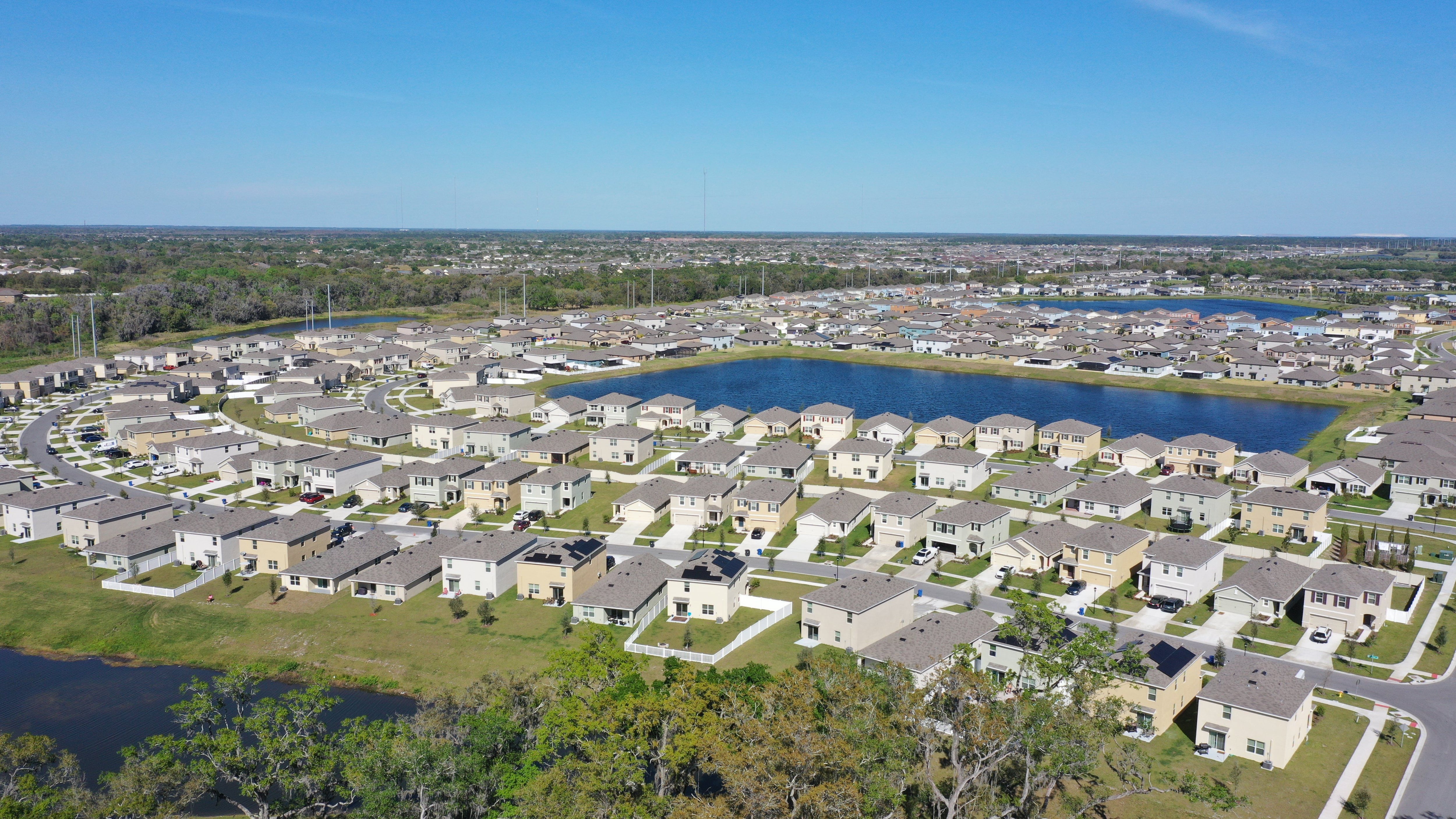
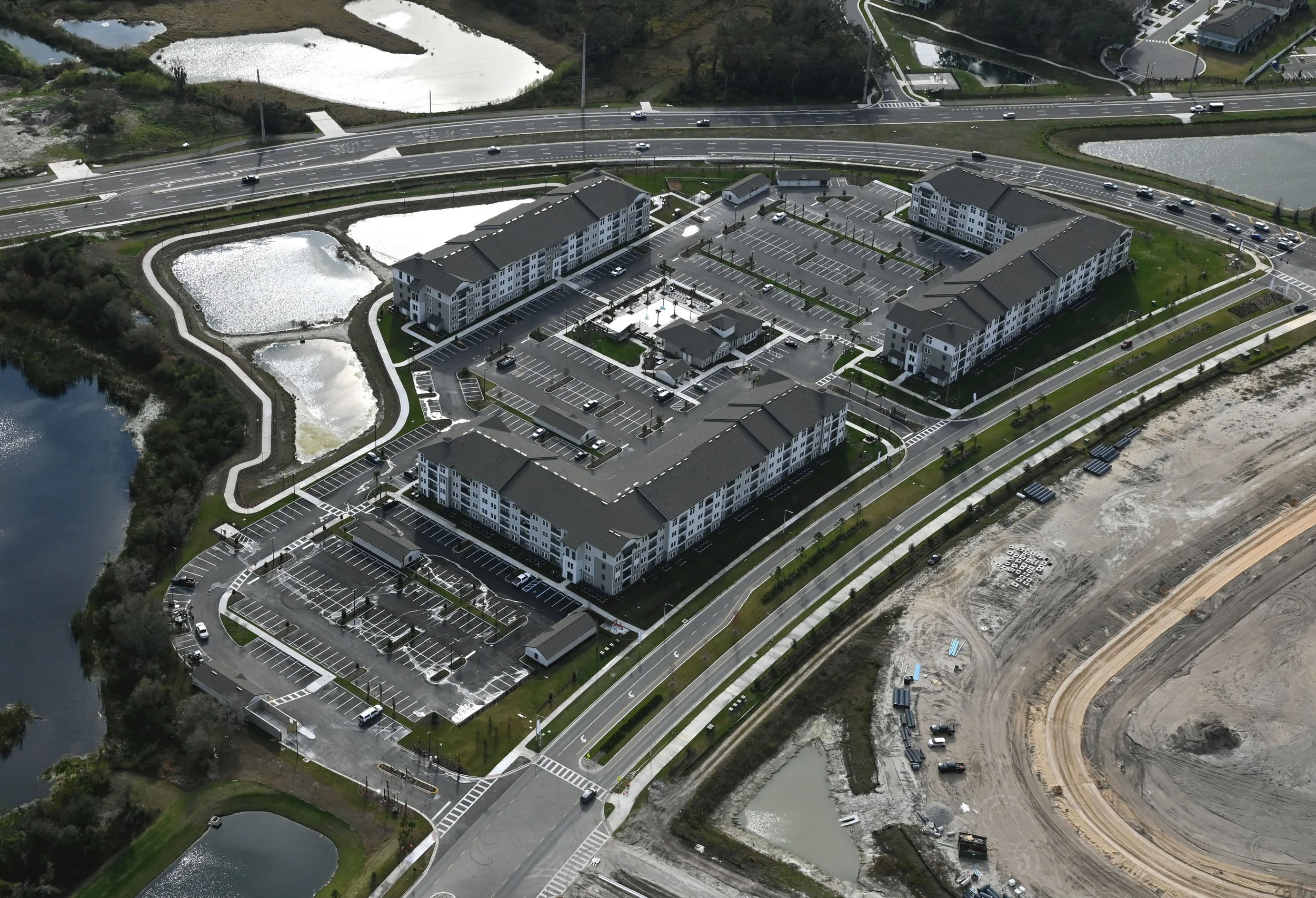
In Manatee County, builders have been throwing up houses with not enough people moving down here to fill them, creating inventory pressure that's forcing price corrections. Builders in Tampa suburbs have been aggressive, with surplus new construction in areas like Riverview and Land O' Lakes forcing existing home sellers to lower prices to compete.
The market is 100% niche - what's happening in one zip code is completely different from what's happening in another.
The condo crisis that's dragging down the overall market
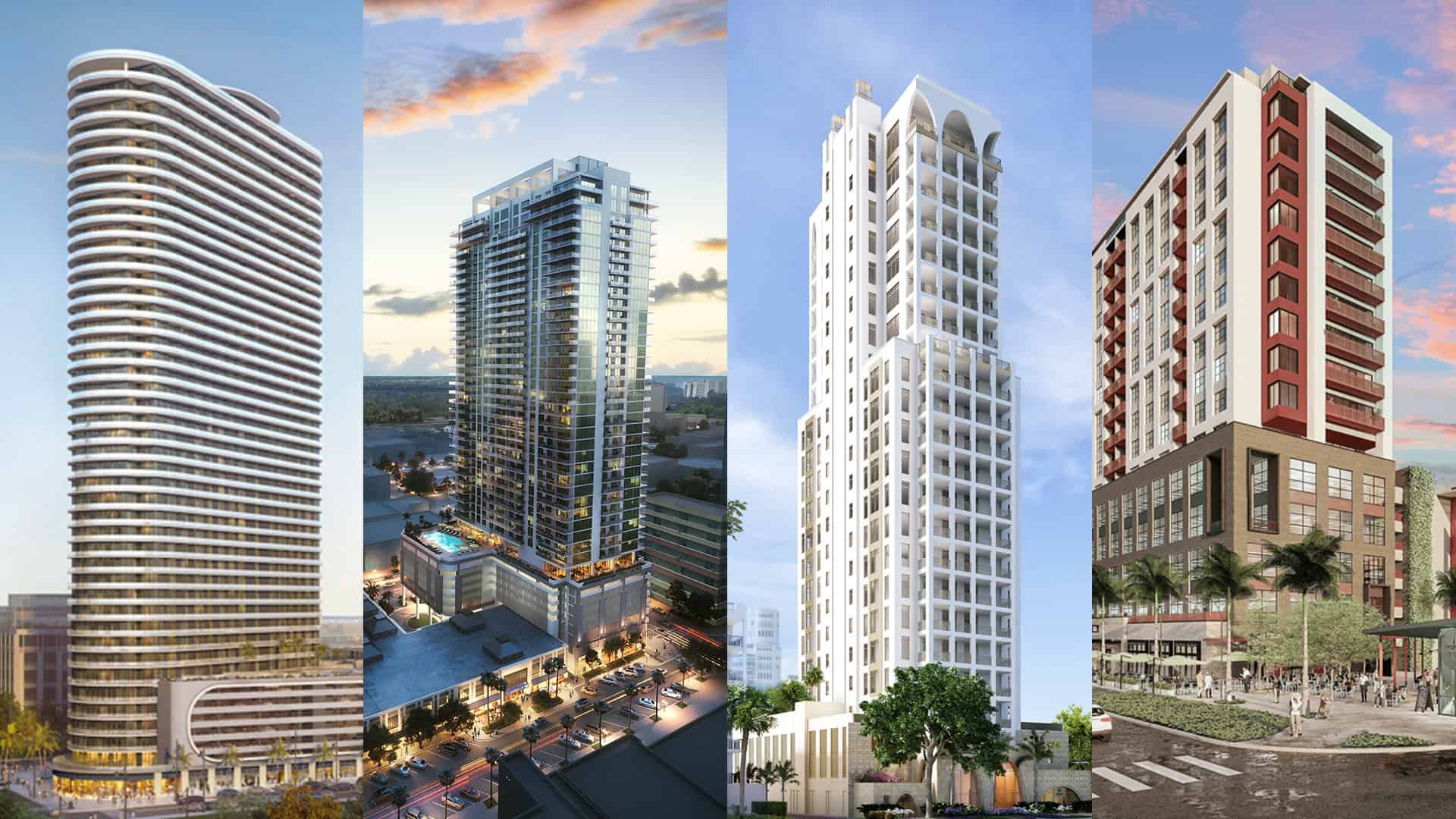
Florida's condo market tells the real story of how insurance and regulation intersect. Post-Surfside condo reserve mandates are triggering six-figure special assessments, with condo markets showing 13.2 months of supply statewide and prices down 6.1% year-over-year.
Condos and townhomes have been hit harder than single-family homes, with prices dropping 12% compared to 1.5% for detached homes. This isn't just about insurance - it's about the complete repricing of condo ownership costs in Florida.
Ownership costs have surged thanks to sharp jumps in insurance premiums and soaring HOA dues, with many insurance carriers withdrawing from the state's condo market entirely as climate risks spike. Even with recent rate relief, the structural damage to condo demand may take years to repair.
What the data reveals about Tampa Bay's neighborhood differences
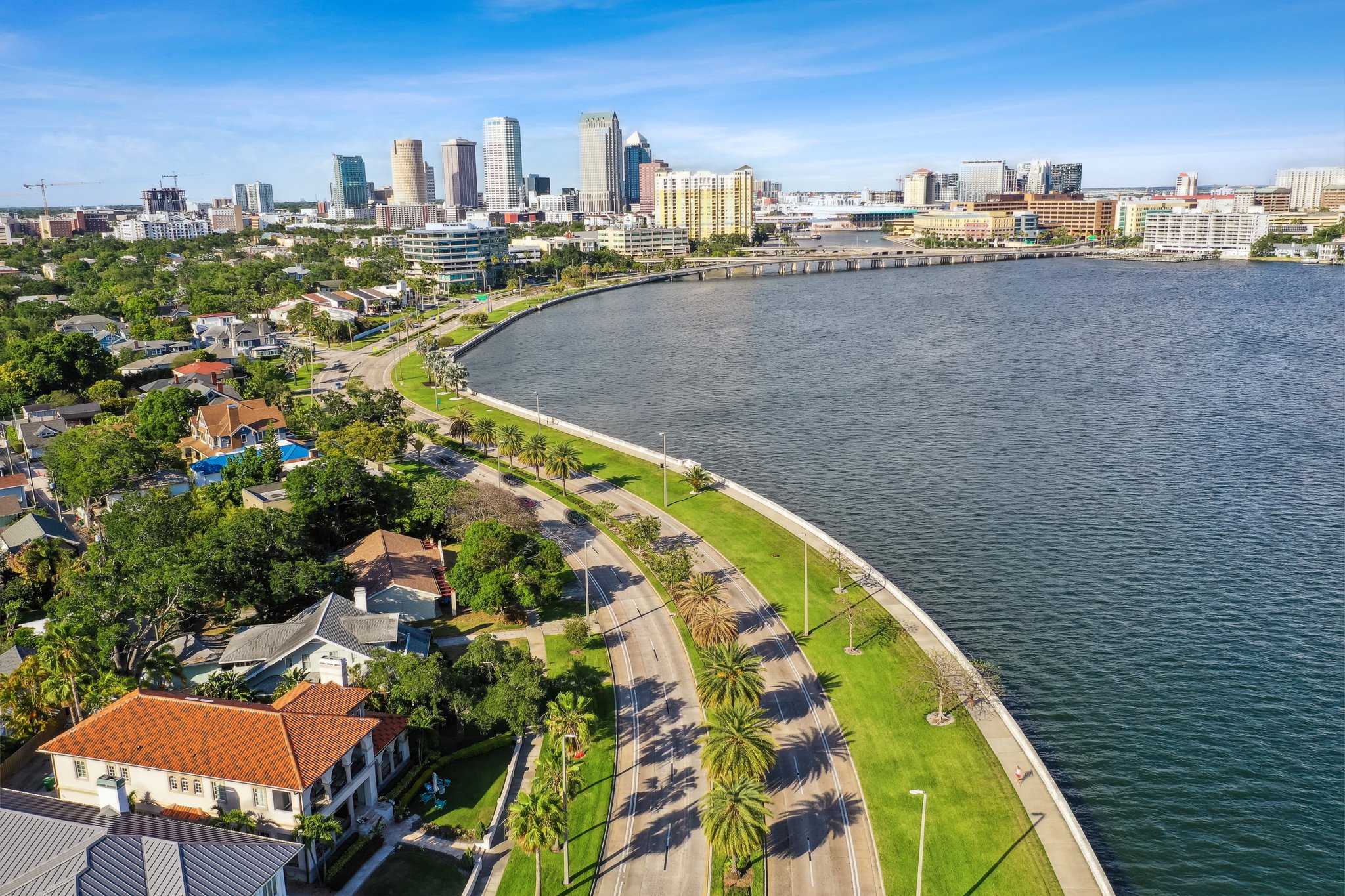
Not every Tampa Bay neighborhood is experiencing the same correction. Downtown Tampa and Channelside condo inventory is rising, creating room for negotiation on luxury units, while South Tampa continues to outperform due to school demand and proximity to downtown.
Current data shows inventory climbing to a 4.3-month supply with the median home price for single-family homes stabilized around $415,000. But averages mask the variation - 33.6% of active listings have price reductions, with Southwest Florida metros exceeding 40%.
Areas seeing the most pressure include:
- Manatee County: Oversupply from aggressive builder activity
- Pinellas condos: Double-hit from insurance costs and reserve requirements
- New construction suburbs: Competing with builder incentives and rate buydowns
Focus on neighborhoods with strong fundamentals - good schools, established infrastructure, and lower flood risk. These areas will recover faster when market conditions improve and face less insurance volatility long-term.
The 2026 forecast: stabilization with continued pressure
Here's my honest take on where this is headed. The base case shows statewide prices declining an additional 2-4% through year-end 2026, with Southwest Florida condos experiencing 8-15% peak-to-trough declines. This isn't a bubble pop - it's a structural repricing of carrying costs.
If mortgage rates dip below 6% (likely after Q1 2026), we'll see pent-up buyer demand unlock, and 2026 could mark the return of competitive sales. But many homeowners have "golden handcuff" low-interest loans, so new listing supply may remain low.
The insurance relief is real, but it's not enough to overcome the affordability math. Florida's median household income is approximately $72,000 - far below what's needed to qualify for median-priced homes even with lower insurance costs.
For buyers, this creates opportunity. Sellers who overprice are finding they must reduce prices to attract interest, and in 2026, sellers are paying for rate buydowns, covering closing costs, and agreeing to repairs.
The combination of insurance relief and price corrections is creating the most balanced market we've seen in years. It's not the dramatic crash some predicted, but it's the reset buyers have been waiting for. If you've been on the sidelines, this is your window.
Want to explore specific neighborhoods or run the numbers on current opportunities? Let's talk. No pressure - just data-driven insights to help you make the right move for your situation.










%2520(1).webp)





.svg)
.svg)