
.svg)


"Should I live in Tampa or St. Pete?"
I get this question from out-of-state buyers at least twice a week. And honestly, it's the right question to ask - because despite being 25 minutes apart across the bay, these two cities have very different personalities, price points, and lifestyles.
Most comparison guides online are either written by people who don't actually live here or by agents trying to sell you on their side of the bridge. Here's the honest version from someone who works across both markets.
The vibe check - and it matters more than you think
Tampa feels like a city that's trying to become something bigger. There's a corporate energy here - headquarters relocations, construction cranes, new restaurants opening every week in Midtown and Water Street. It's fast-paced, car-dependent, and spread out. Think ambitious, growing, business-forward.
St. Pete feels like a city that already knows what it is. The arts scene is nationally recognized (Dali Museum, Chihuly Collection, SHINE Mural Festival). Downtown is genuinely walkable. Central Avenue is packed on weekends. The pace is slower, the culture is more creative, and the beach is 10-15 minutes away. Think artsy, walkable, laid-back.
Neither vibe is better. But one will fit you better. And that matters more than a lot of the data I'm about to share.
The money comparison
Let's get into what everyone actually wants to know: cost.
Home prices are surprisingly close. Tampa's median runs around $450,000-$460,000. St. Pete sits around $432,000-$465,000 depending on which data source you use. Price per square foot is slightly higher in St. Pete ($325 vs. $303).
Rent tells a different story. Tampa's average rent is about $1,931/month. St. Pete is $2,025. But the gap widens dramatically downtown - Tampa downtown averages $2,735/month while St. Pete downtown hits $3,312.
Overall cost of living is essentially a wash. St. Pete is approximately 1.3% less expensive than Tampa when you exclude housing. A single person's monthly expenses run about $2,632 in Tampa vs. $2,636 in St. Pete. The real cost difference comes down to lifestyle choices, not geography.
Best match by buyer type
This is where the honest advice lives. Different buyer profiles genuinely fit one city better than the other.
Families: Tampa wins
Tampa offers more suburban options, larger yards, more pricing variety, and - this is the big one - stronger school zone options. The Plant High School/Palma Ceia corridor is one of the most desirable school zones in the state. Key family neighborhoods: South Tampa, Westchase, New Tampa, Carrollwood.
Young professionals: St. Pete wins
Walkable downtown living, Central Avenue nightlife, a craft brewery scene that rivals any city in the Southeast, and a creative energy that Tampa simply doesn't match. You can live downtown without a car for daily life. That's not possible anywhere in Tampa.
Retirees: St. Pete wins
Beach access (10-15 minutes from downtown), walkability, arts and culture, and a slower pace. Snell Isle, Old Northeast, and Shore Acres are beautiful neighborhoods with strong community identity.
Career-driven professionals: Tampa wins
More corporate headquarters, a larger and more diverse job market spanning finance, tech, healthcare, maritime, and defense. If you're climbing a career ladder and in-office matters, Tampa puts you closer to more opportunities.
Remote workers: St. Pete wins
If your office is your laptop, St. Pete's beach lifestyle, walkability, lower transportation costs, and vibrant coffee shop/coworking scene make it hard to beat.
Investors: both have plays
Tampa suburbs (Riverview, Land O'Lakes) offer better cash flow potential. South St. Pete's infill neighborhoods offer stronger appreciation potential. Different strategies, different markets.
Lifestyle and culture - the stuff that actually determines happiness
Dining: Tampa has more diverse international options - incredible Cuban food (the Columbia, La Teresita), a growing Vietnamese corridor on Waters Avenue, Caribbean spots in Seminole Heights. St. Pete leans chef-driven and farm-to-table, with more trendy new openings per capita.
Nightlife: St. Pete wins hands down. Downtown is centralized and walkable - you can hit 15 bars and restaurants without moving your car. Tampa's SoHo and Ybor districts are spread out and require driving between them.
Arts and culture: St. Pete dominates. The Dali Museum alone is worth a visit, plus the Chihuly Collection, Museum of Fine Arts, and SHINE Mural Festival. Tampa counters with the Straz Center for the Performing Arts, Tampa Museum of Art (currently undergoing a $110M expansion), and the advantage of having major professional sports.
Sports: Tampa is the sports city. Buccaneers, Lightning, and the Rays (shared with St. Pete). Amalie Arena hosts major concerts and events year-round.
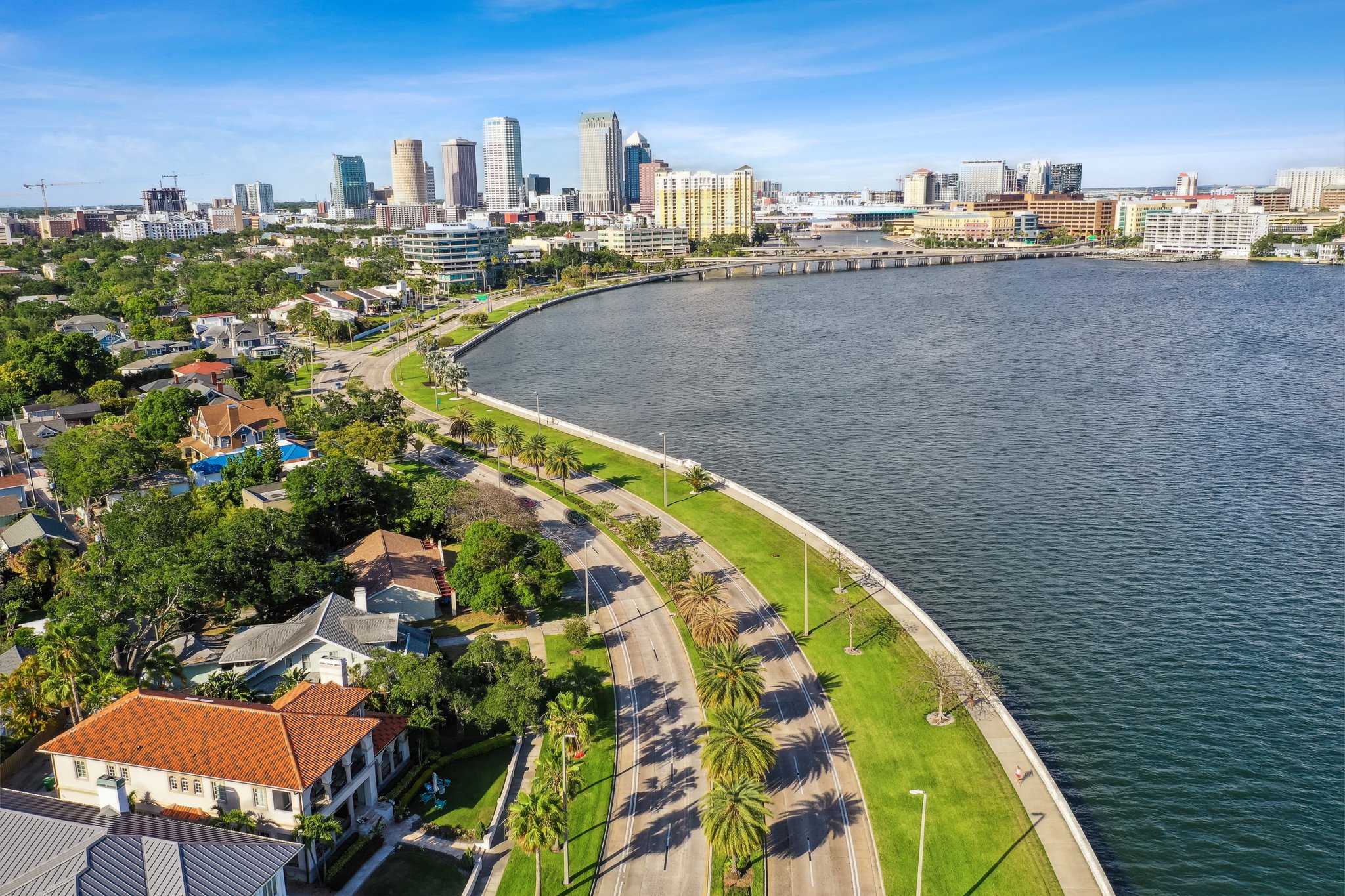
Outdoor life: St. Pete has Fort De Soto Park (consistently rated one of the best beaches in America) and Gulf beaches 10-15 minutes from downtown. Tampa has Bayshore Boulevard (the world's longest continuous sidewalk at 4.5 miles), the expanding Riverwalk, and the Hillsborough River for kayaking and paddleboarding.
The commute question - let's be real
If you work in Tampa and want to live in St. Pete (or vice versa), you need to have an honest conversation with yourself about bridge traffic.
Off-peak: 25-35 minutes across the Howard Frankland, Gandy, or Courtney Campbell bridges.
Rush hour: 45-75 minutes. Sometimes worse.
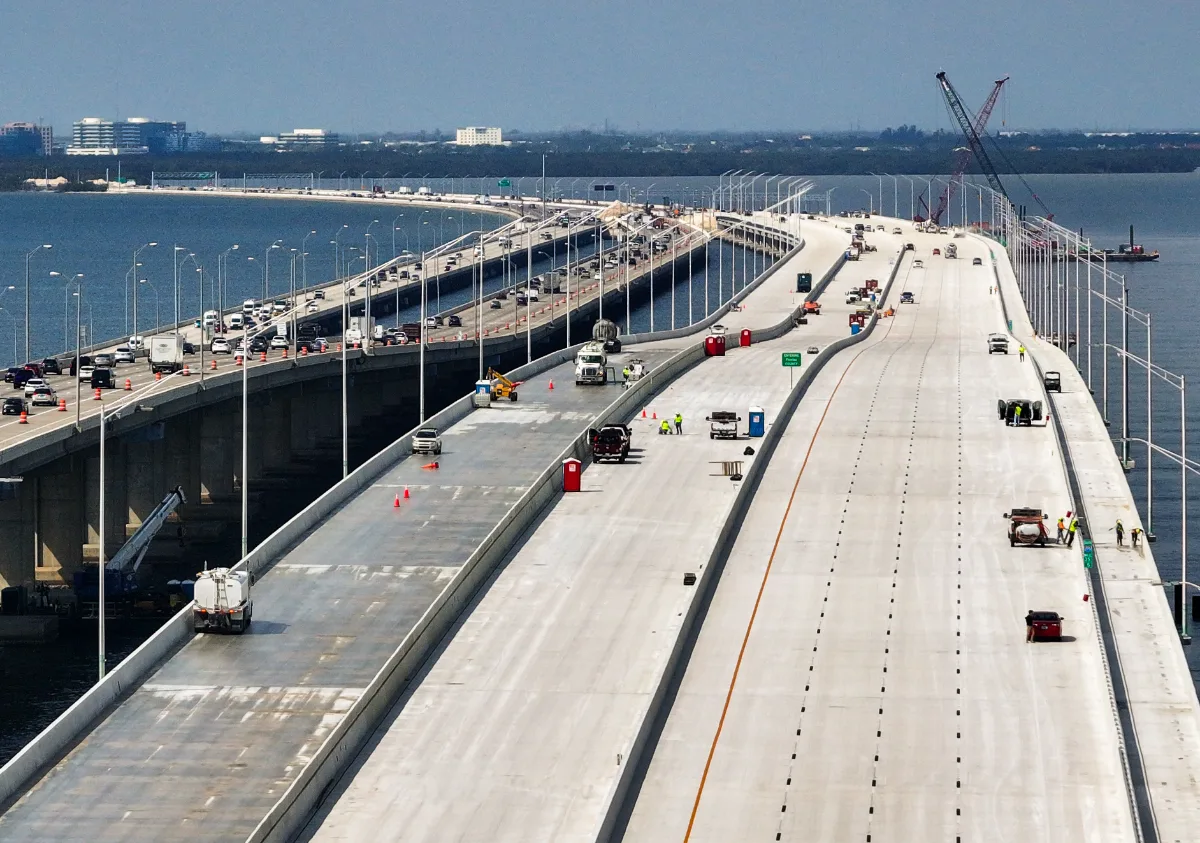
The new Howard Frankland westbound span opened in spring 2025, which helps. But it doesn't eliminate the fundamental bottleneck of funneling hundreds of thousands of cars across three bridges twice a day.
St. Pete has the SunRunner bus rapid transit system connecting downtown to the beaches. Tampa has the TECO Streetcar running from downtown to Ybor (with expansion planned). But let's be honest - both cities are fundamentally car-dependent outside their downtown cores.
If you're commuting cross-bay five days a week, factor the bridge into your quality of life calculation. It's real.
The hurricane and flood zone factor
This is increasingly important and not something most comparison guides address.
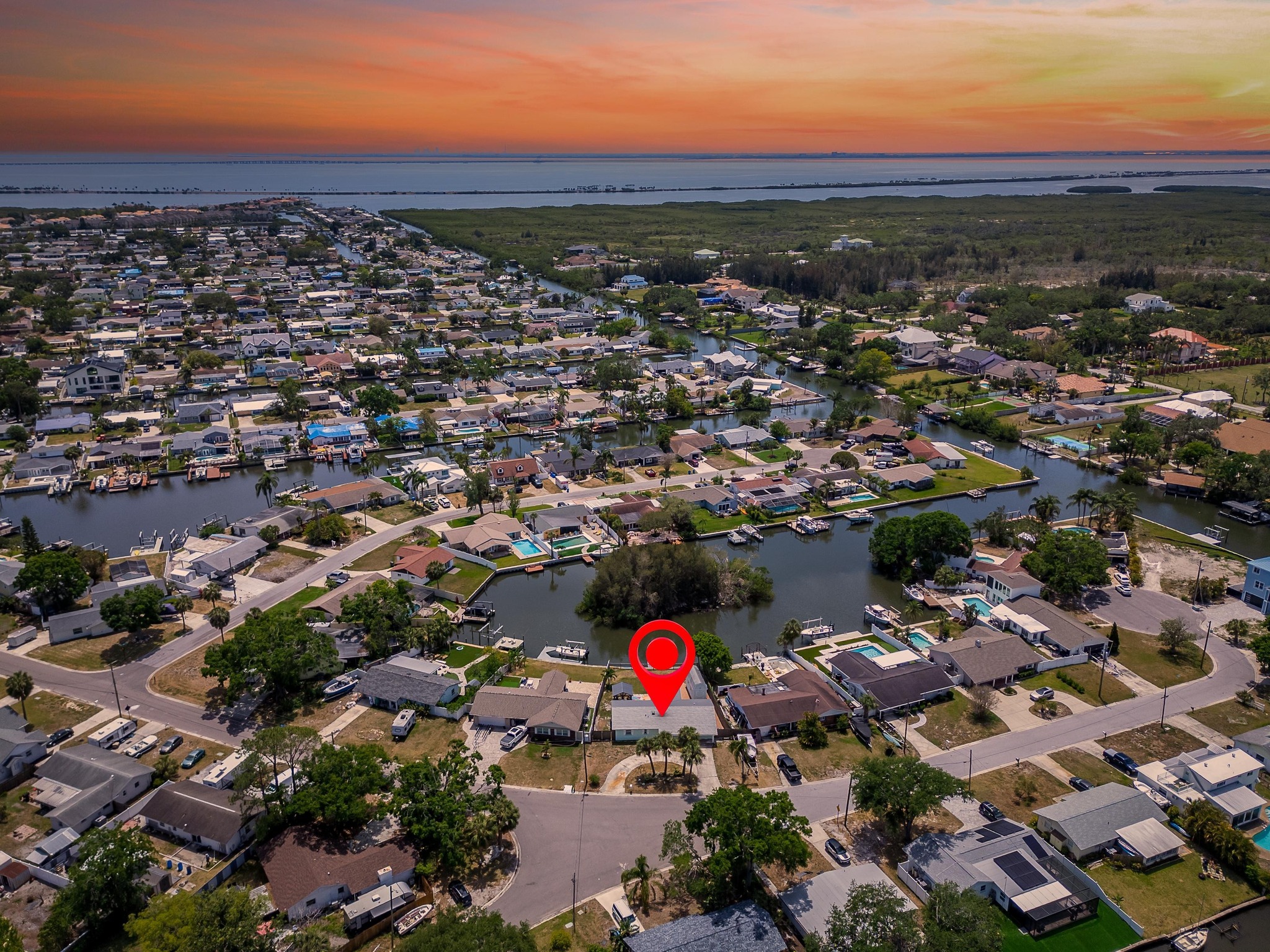
Pinellas County (St. Pete) is a peninsula - surrounded by water on three sides. That makes it more exposed to storm surge from multiple directions. Hurricane Helene in 2024 hit Pinellas significantly harder than Hillsborough, with 7+ feet of storm surge devastating coastal neighborhoods.
Tampa has its own flood risks (South Tampa, Hillsborough River corridors, Bayshore), but it offers more elevation options and more neighborhoods outside high-risk flood zones.
This directly affects insurance costs and long-term property values. It's not a reason to avoid St. Pete - but it's a factor that deserves honest consideration, especially for waterfront properties.
Before committing to either city, spend a long weekend in each. Not as a tourist - as someone who might live there. Drive the commute during rush hour. Walk the neighborhoods you're considering. Eat at the local spots, not the tourist ones. Try the grocery store, the coffee shop, the gym. The vibe difference between Tampa and St. Pete is real, and you'll feel it within 48 hours.
The development factor
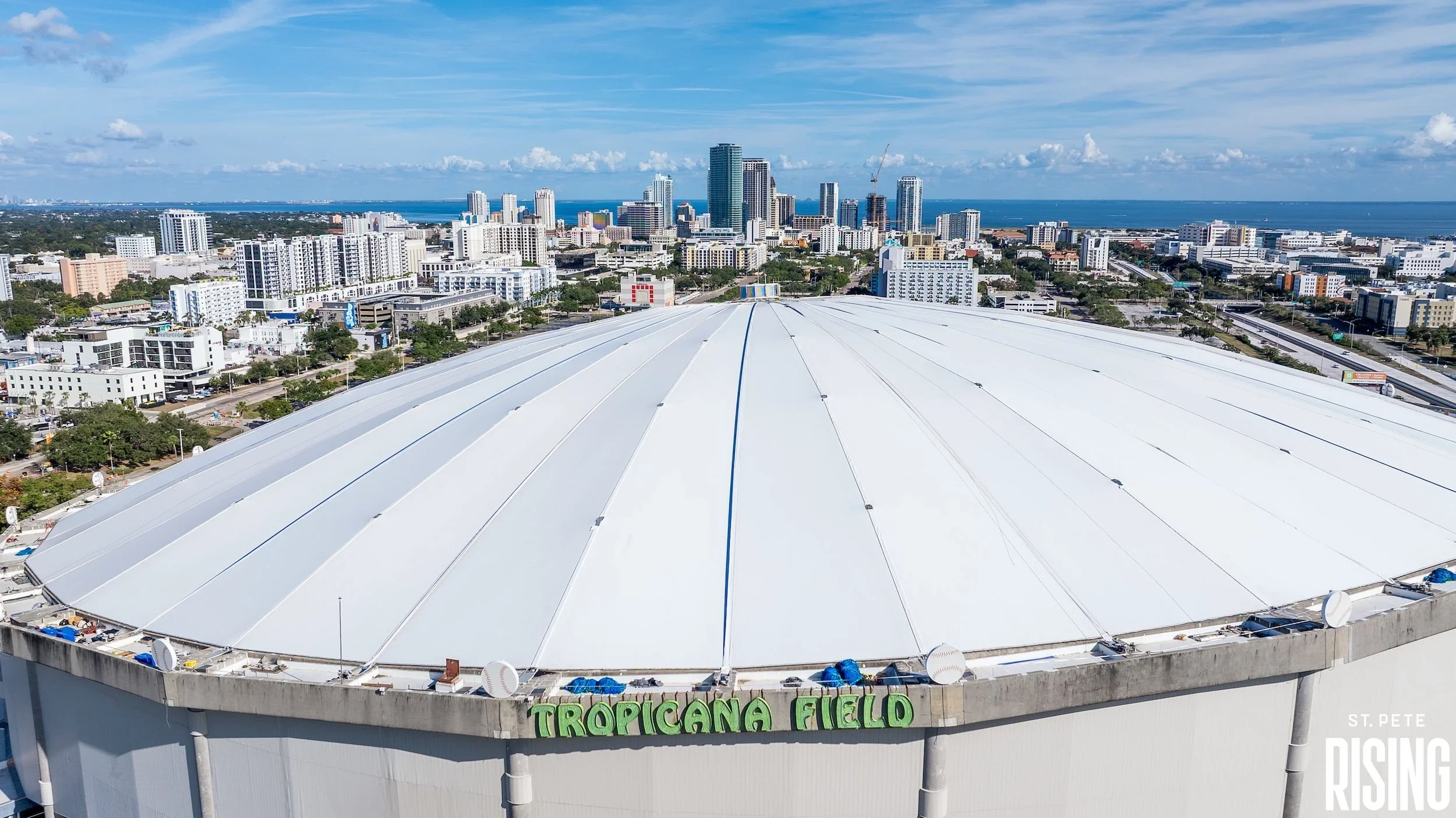
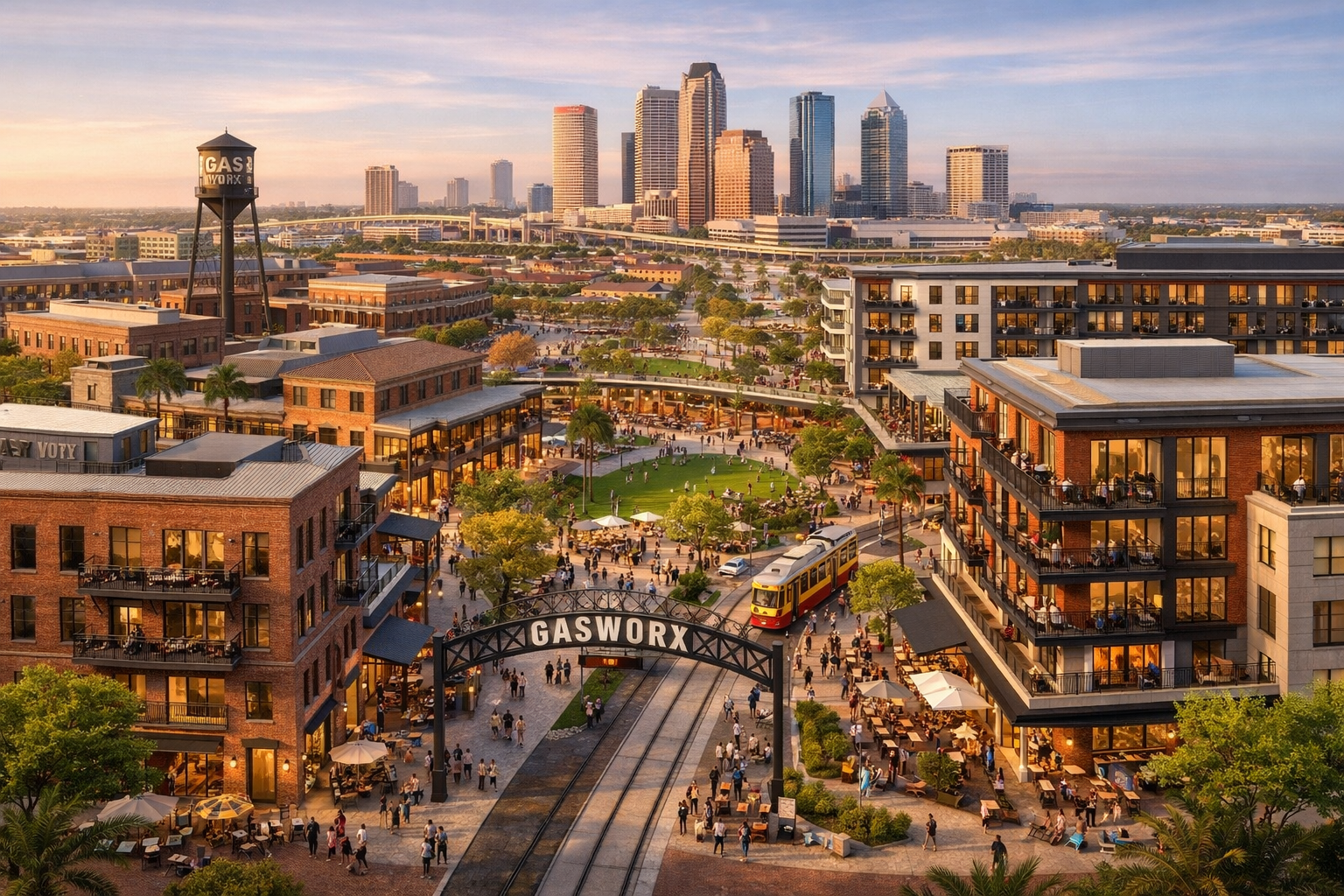
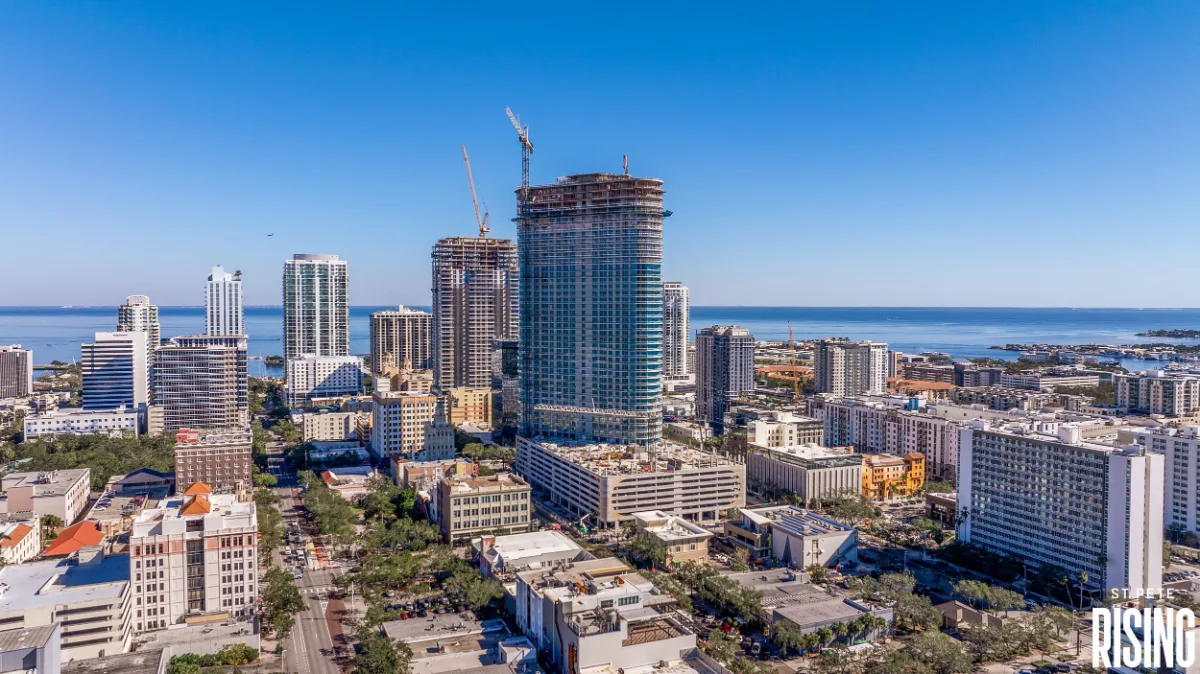
Both cities are in the middle of massive transformation. Tampa has Water Street, Gasworx, Midtown, and the Riverwalk expansion reshaping its downtown. St. Pete has 400 Central, the Tropicana Field redevelopment (potentially $6.8 billion worth), and a downtown that's already walkable and continues to densify.
St. Pete's identity has shifted dramatically in the past decade from "Tampa's little sibling" to a nationally recognized destination. That shift is reflected in property values, cultural investment, and the quality of new development.
My honest take
Most Tampa Bay residents end up living in one city and socializing in both. The bridges make it easy enough to enjoy what each side offers.
If I'm advising a buyer:
Choose Tampa if: you're career-focused and need to be near corporate employers, you have kids and school zones matter, you want more house for your money in the suburbs, or you prefer a fast-growing city that's still figuring itself out.
Choose St. Pete if: you work remotely, you value walkability and beach proximity, arts and culture matter to your daily life, or you want a city with a clear, confident identity.
Choose based on lifestyle, not just price. The cost difference between the two is minimal. The lifestyle difference is significant. Pick the one that makes you excited to come home.
I work both markets. If you want help figuring out which side of the bay makes sense for your specific situation - budget, lifestyle, commute, timeline - I'm happy to walk you through it.
Let's talk. No pressure.









%2520(1).webp)





.svg)
.svg)