
.svg)


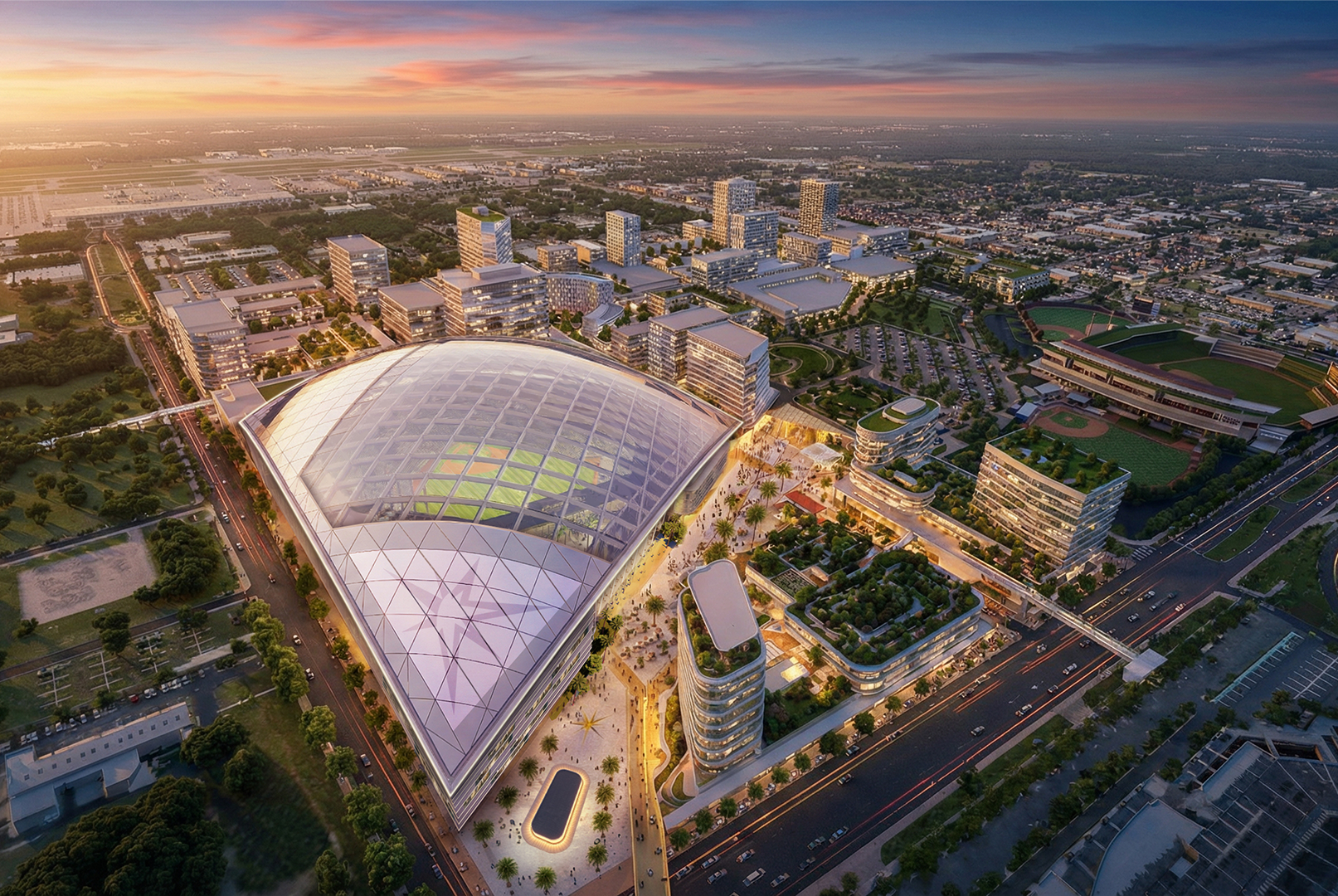
You're watching the biggest public finance battle in Tampa Bay history unfold, and it's not just about baseball.
The Tampa Bay Rays' $2.3 billion stadium proposal has hit a $75 million funding gap, with potential for another $60 million shortfall if tax structures don't work as planned. If approved, this would be the largest taxpayer-supported project in Hillsborough County history.
As someone who's tracked Tampa Bay real estate through multiple economic cycles, I'm seeing something that should concern every seller: a massive public spending decision happening with almost zero transparency about how it affects your property values.
The numbers that should make you pause
The current framework calls for $750 million from Hillsborough County, $251 million from Tampa, and $64 million from other public sources. But here's what's not being discussed openly:
- Community Investment Tax dependency: County Commission Chair Ken Hagan says the deal can't happen without using CIT funds, calling it 'critical' to getting a deal done
- Legal uncertainty: County Attorney Julia Mandell needs to consult election law experts about 'voter intent' regarding CIT use
- Public opposition: Independent polls show a clear majority of residents oppose allocating CIT tax revenues to stadium construction
The half-cent sales tax was extended for 30 years by voters in 2024, with the expectation that it would not be used for new stadium construction.
Why transparency matters more than economic projections
The current MOU is 'purely the work product of the Rays' organization,' according to County Attorney Julia Mandell. Think about that for a moment - the team wrote their own deal terms.
Access to detailed financial information, including revenue projections, contractual obligations, and risk allocation, has been limited, prompting calls for greater transparency from local officials. Meanwhile, an AECOM report commissioned by the Tampa Sports Authority estimates $75 billion in economic impact over 30 years.
The problem isn't the stadium itself - it's making a $1 billion+ decision without understanding the real financial structure.
I've seen economic impact studies before. They're often wildly optimistic and rarely account for opportunity costs or what happens when projections fall short.
The red flags sellers should watch
The Rays deferred details on private financing, construction timelines, contractor selection, long-term maintenance, and broader financial obligations to 'future agreements'. That's not how billion-dollar deals should work.
- Rushed timeline: The Rays built an aggressive timeline to keep the project on track for 2029 opening and warned that delays could increase costs
- Competing priorities: The Tampa Bay Buccaneers are also discussing up to $1 billion in Raymond James Stadium renovations
- Financing assumptions: A potential additional $60 million shortfall exists if Community Investment Tax bonds lose their tax-exempt status
Before listing your home, understand how major public spending affects neighborhood dynamics. Large infrastructure projects can boost values in some areas while creating uncertainty in others - but only if they're properly structured and transparently managed.
What this means for your property decision
Here's my honest take: Rays CEO Ken Babby has threatened to 'evaluate alternatives' if Hillsborough County can't reach a financial agreement. That's negotiation theater, but it reveals something important about leverage.
The real issue isn't whether Tampa Bay gets a new stadium. It's whether we're making smart long-term decisions about public resources that affect property values, tax burdens, and community development.
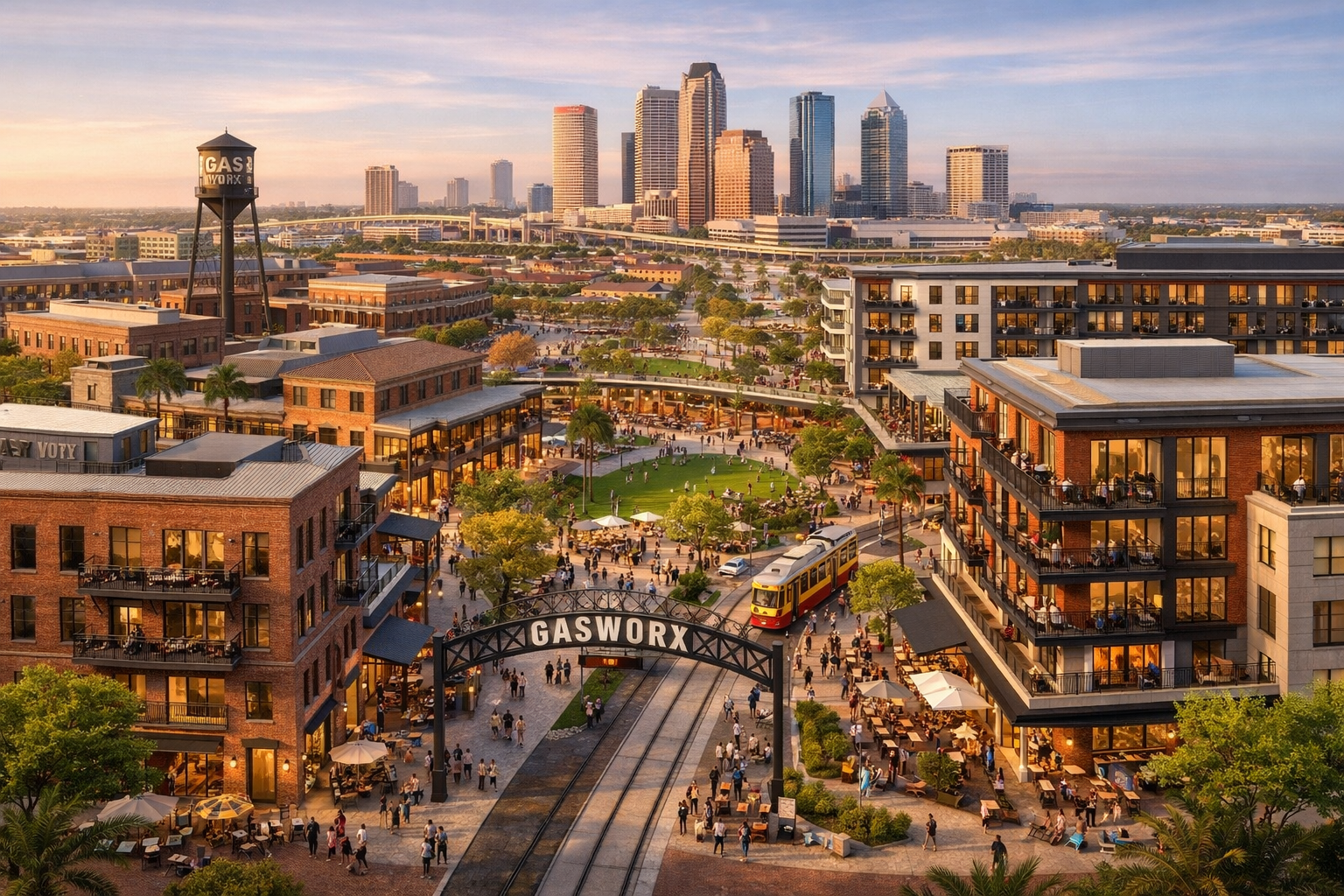
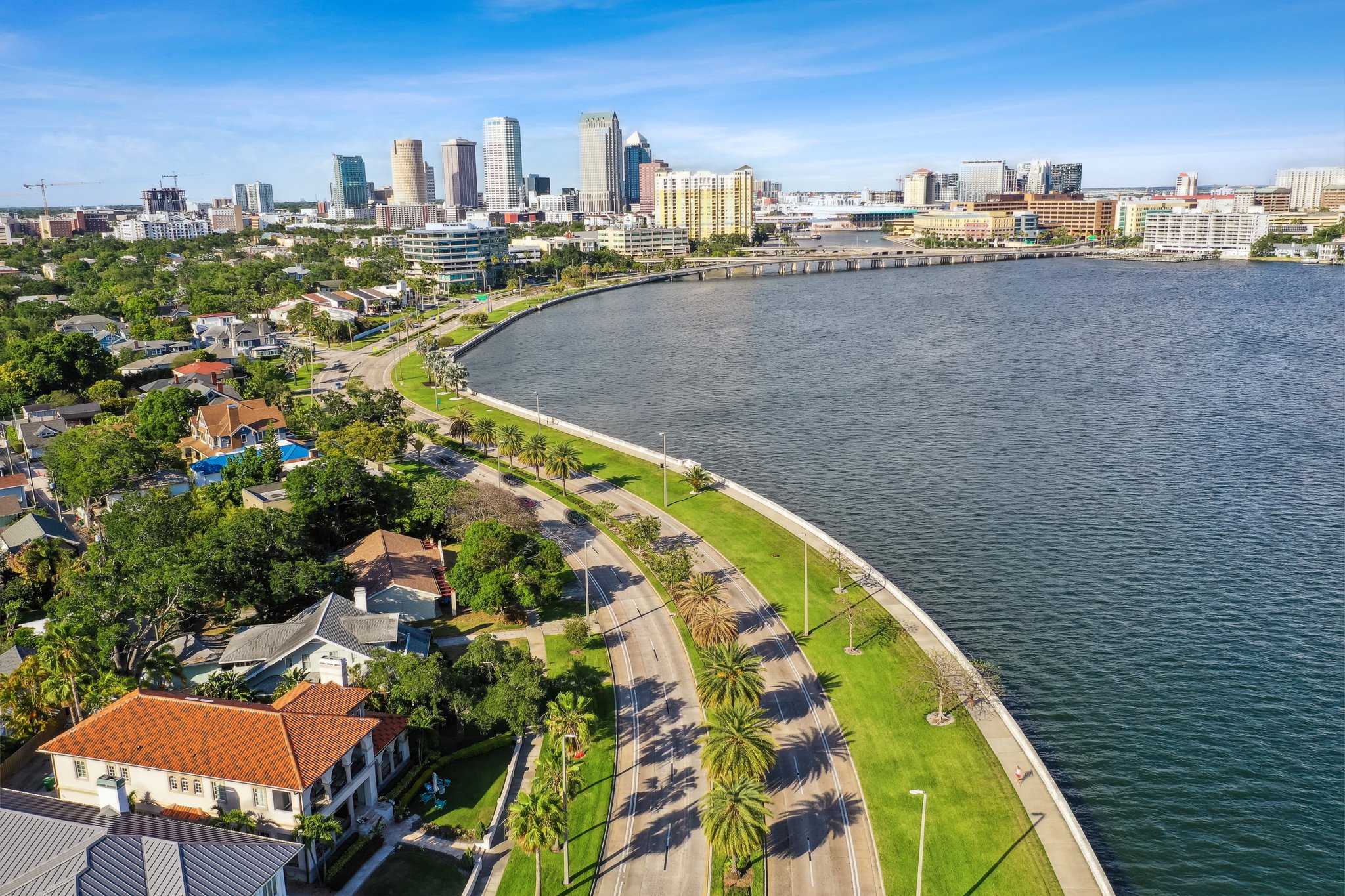
The project carries significant community impact, involving potential land redevelopment, traffic, housing, and infrastructure shifts around Hillsborough Community College.
Questions every seller should ask
If you're considering selling in the next 12-18 months, here's what I'd want to know:
- Tax implications: How will CIT usage affect other promised infrastructure projects?
- Development timeline: What happens to surrounding property values during construction?
- Risk allocation: Who pays if projections don't materialize?
The Tampa City Council has scheduled a May 5 workshop at the Tampa Convention Center, with county and city votes likely pushed back as negotiations continue.
The bigger picture for Tampa Bay real estate
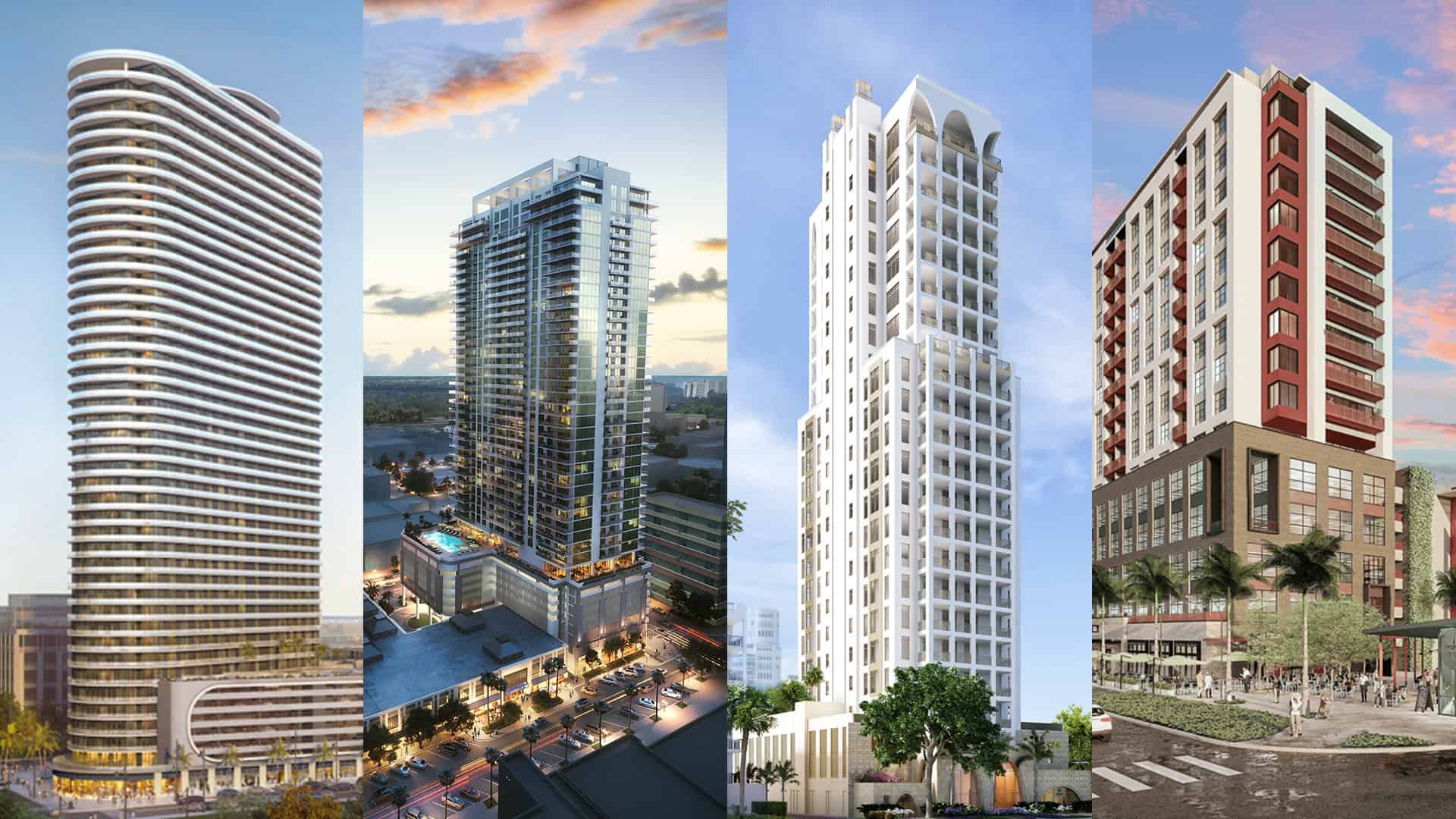
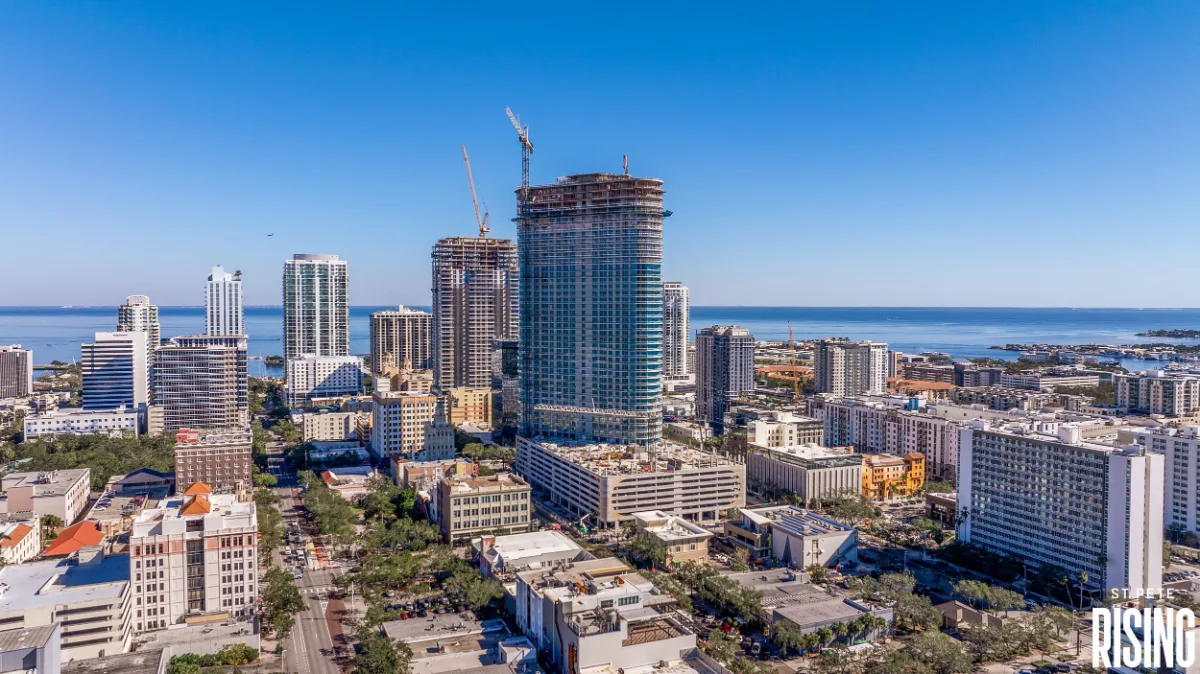
This stadium debate represents something larger: how we balance public investment with private development in a rapidly growing market. Developers are pointing to St. Petersburg's growing job market, local flair, expanding arts scene and younger population as reasons they're investing now - even without stadium certainty.
That tells me the fundamentals of our market remain strong regardless of where the Rays play. But it also means we should be extra careful about billion-dollar decisions that could affect those fundamentals.
The truth is, Tampa Bay's real estate market has proven resilient through multiple challenges. This stadium decision won't make or break property values, but it will affect how public resources are allocated and where future development happens.
If you're thinking about selling, don't let stadium uncertainty paralyze you. But do pay attention to how this process unfolds - it says a lot about local leadership and long-term planning that affects every property owner.
Want to discuss how major infrastructure decisions might affect your specific neighborhood? Let's talk. No pressure.




%2520(1).webp)








.svg)
.svg)