
.svg)



"Should I buy in Tampa or St. Pete?"
I get this question at least once a week. And every time, I give the same annoying-but-honest answer: it depends entirely on what you care about most.
Tampa and St. Petersburg are 25 miles and a bridge apart, but they might as well be different cities. Different energy, different price dynamics, different lifestyle, different flood profiles. The right choice isn't obvious - and anyone who tells you one is universally "better" than the other isn't paying attention.
So let me lay out the real data and let you decide.
Price comparison: closer than you think
Tampa median sale price: $478,000 (February 2026, Redfin). Up 4.9% year-over-year, driven heavily by demand in South Tampa and Westchase.
St. Petersburg median: roughly $449,000-$545,000 depending on data source and whether you include condos. Movoto pegs the median around $449K. Luxury sales on Beach Drive and waterfront push certain measurements higher.
Price per square foot: Tampa averages $303/sqft. St. Pete runs closer to $325/sqft - you're paying more per foot in St. Pete, though unit sizes tend to be smaller (older housing stock, more bungalows and cottages).
Rent comparison: Average 1BR - Tampa ~$1,931/month vs. St. Pete ~$2,025/month. Downtown rent - Tampa ~$2,735/month vs. St. Pete ~$3,312/month. Downtown St. Pete has become significantly more expensive for renters.
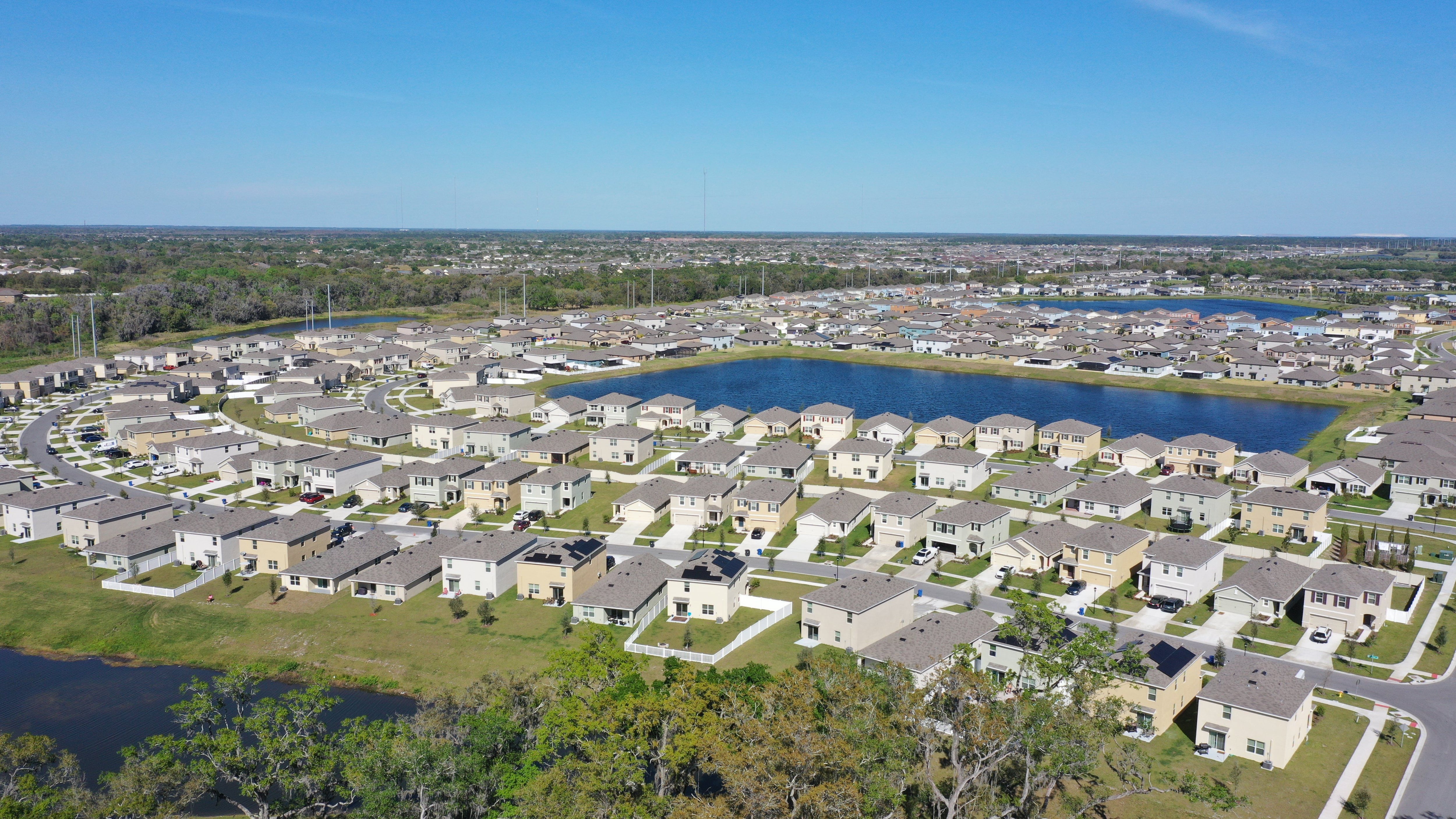
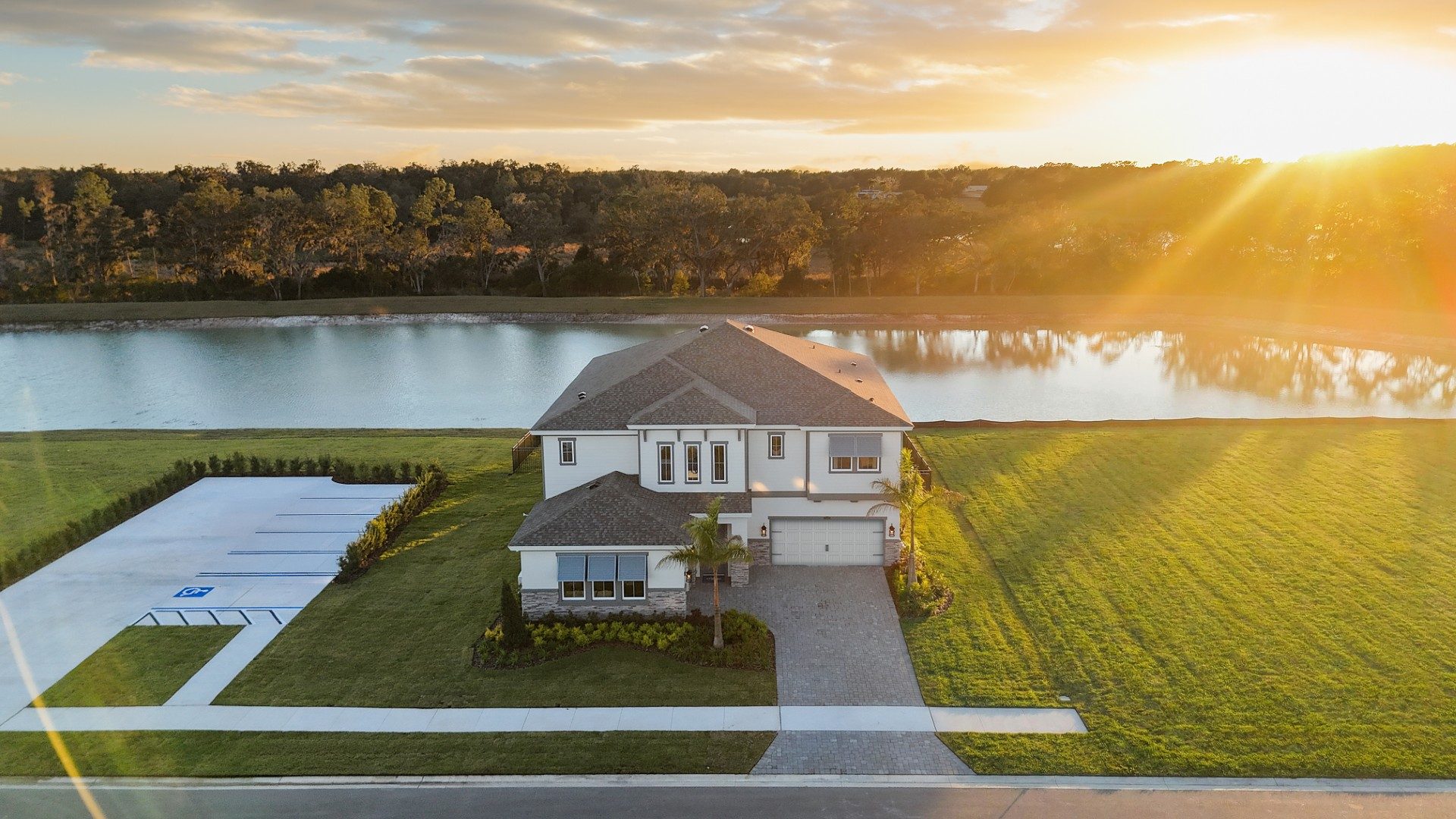
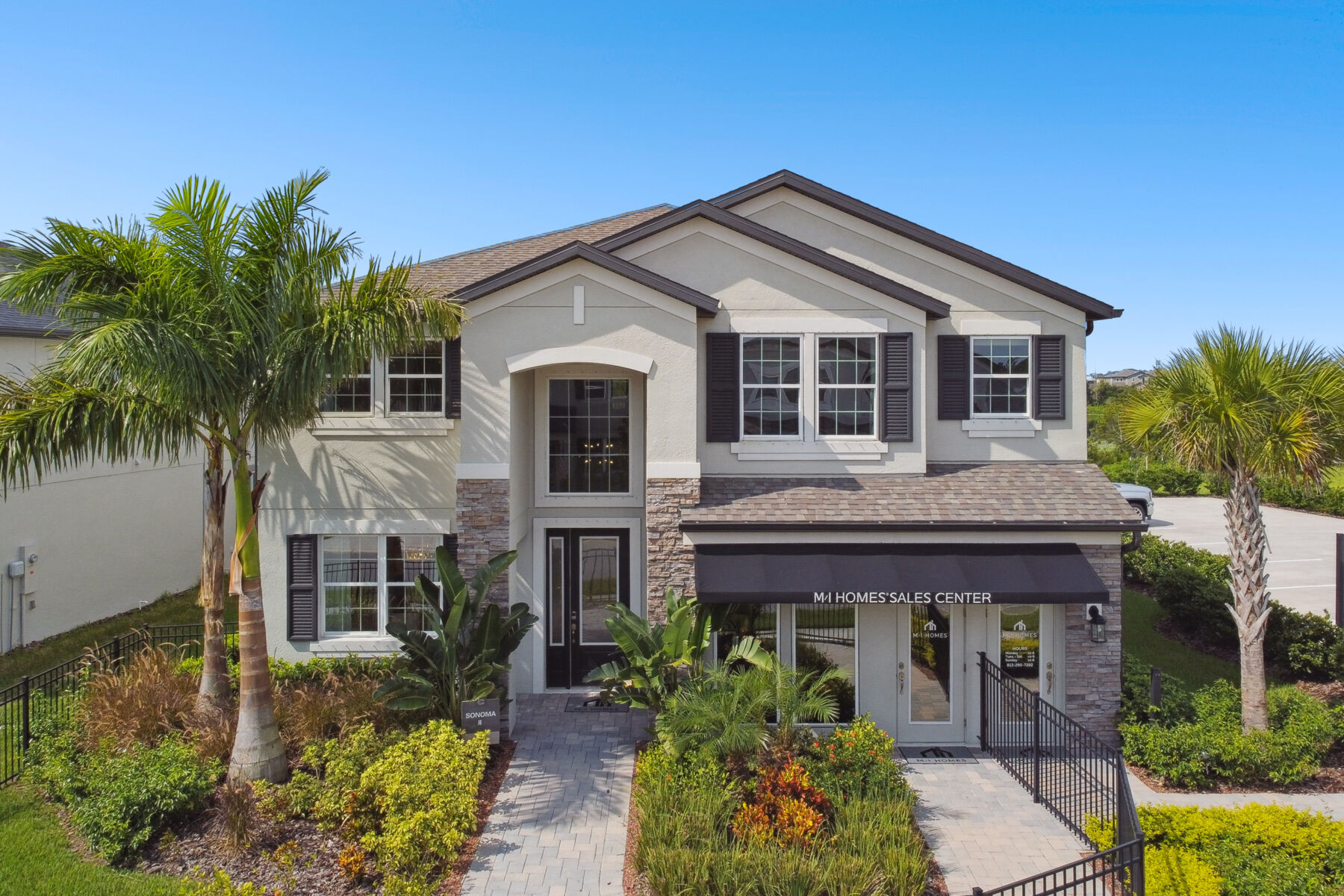
Bottom line on price: they're in the same ballpark for single-family, but St. Pete's desirable walkable neighborhoods (Old Northeast, Downtown, Kenwood) command a premium. Tampa offers more suburban options at lower price points in areas like Brandon, Riverview, and Wesley Chapel.
The lifestyle factor
This is where the cities genuinely diverge.
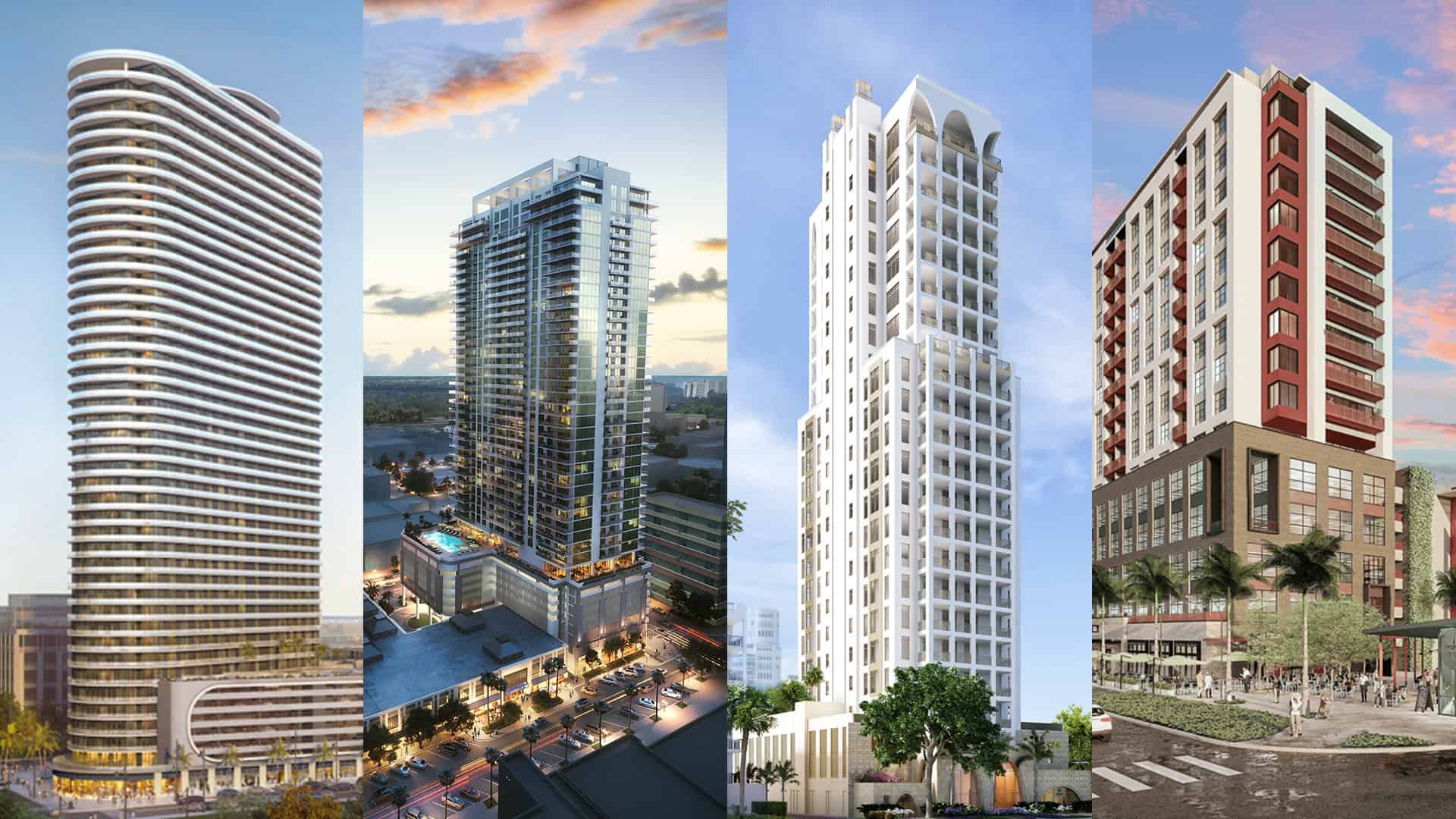
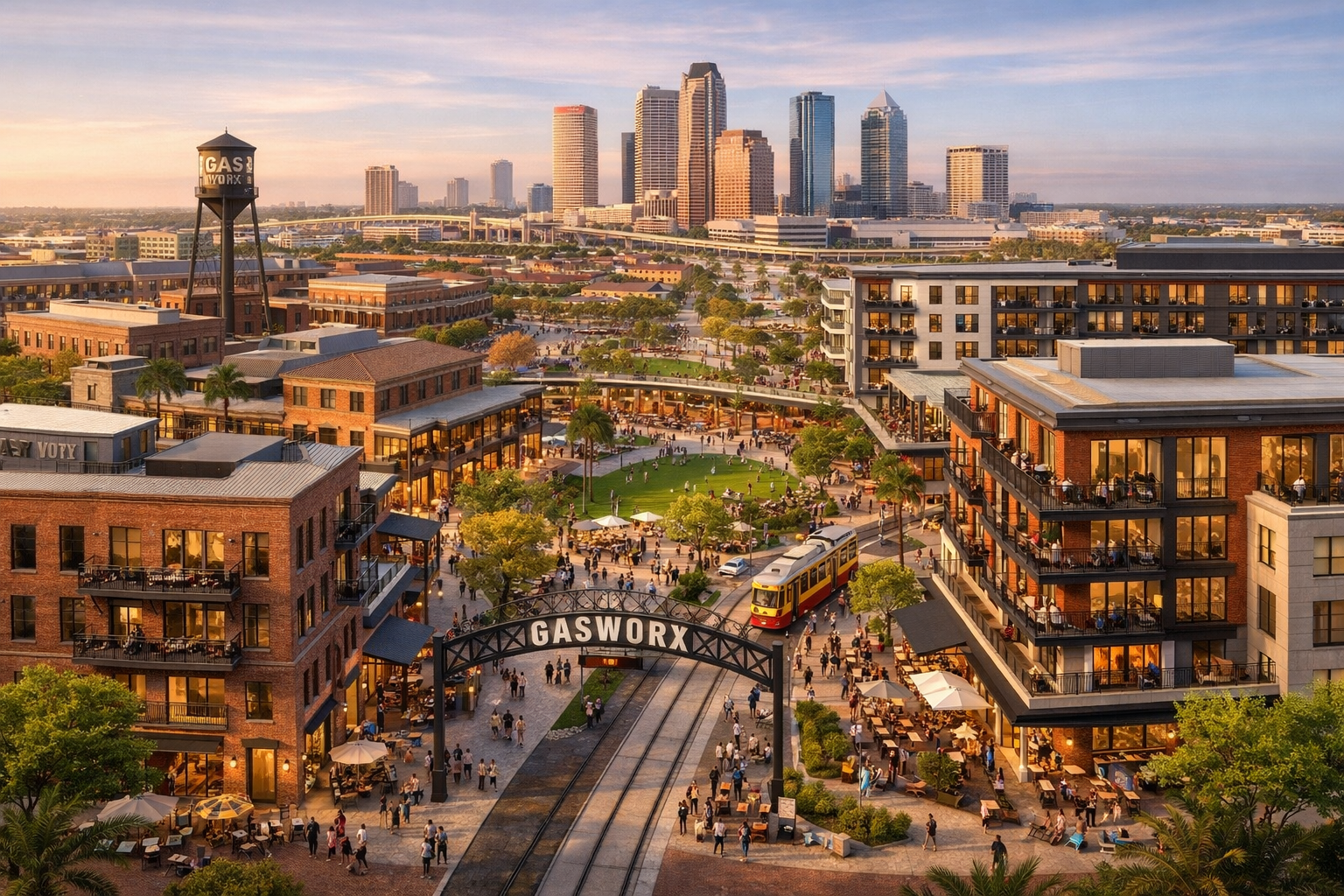
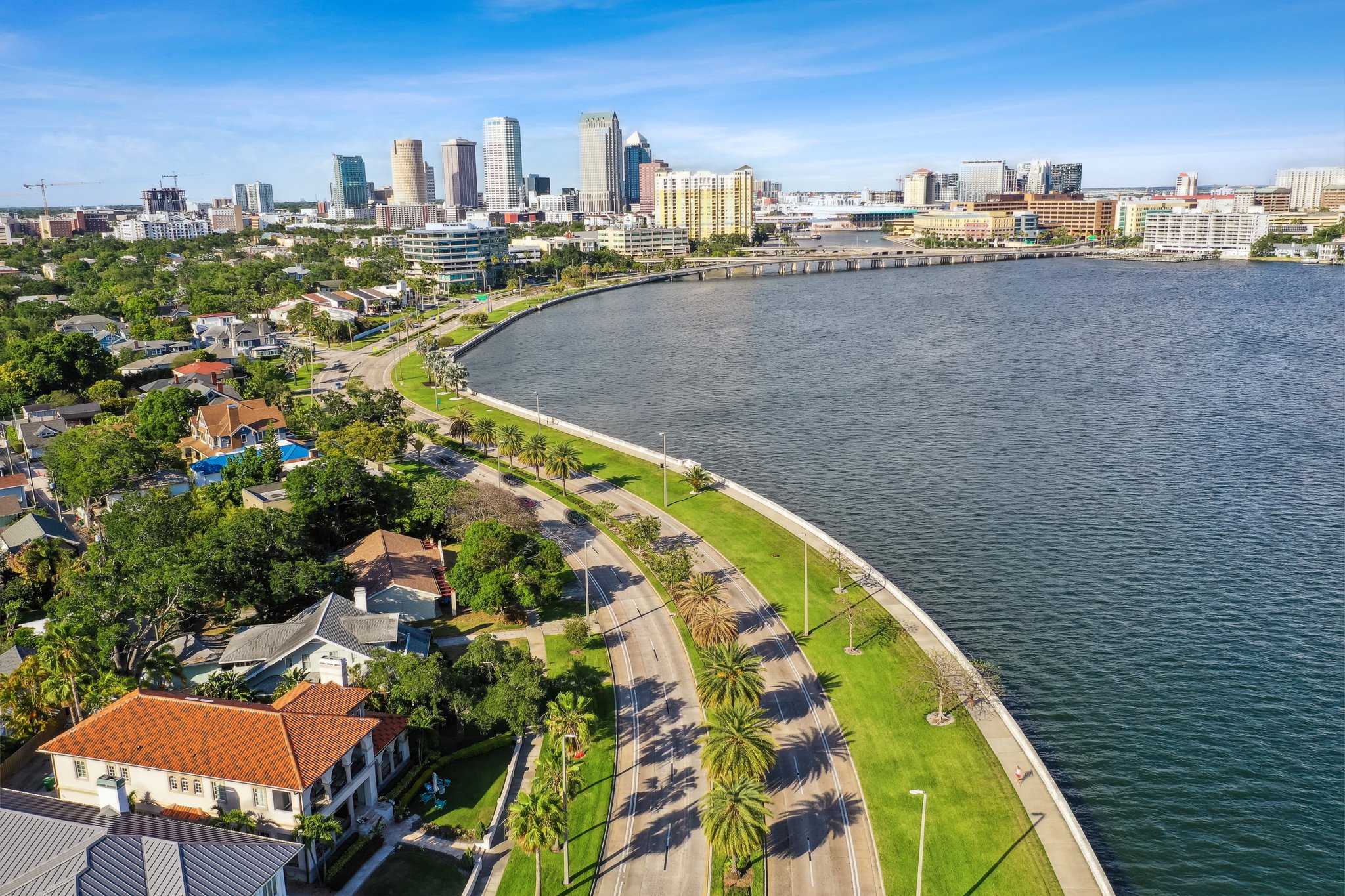
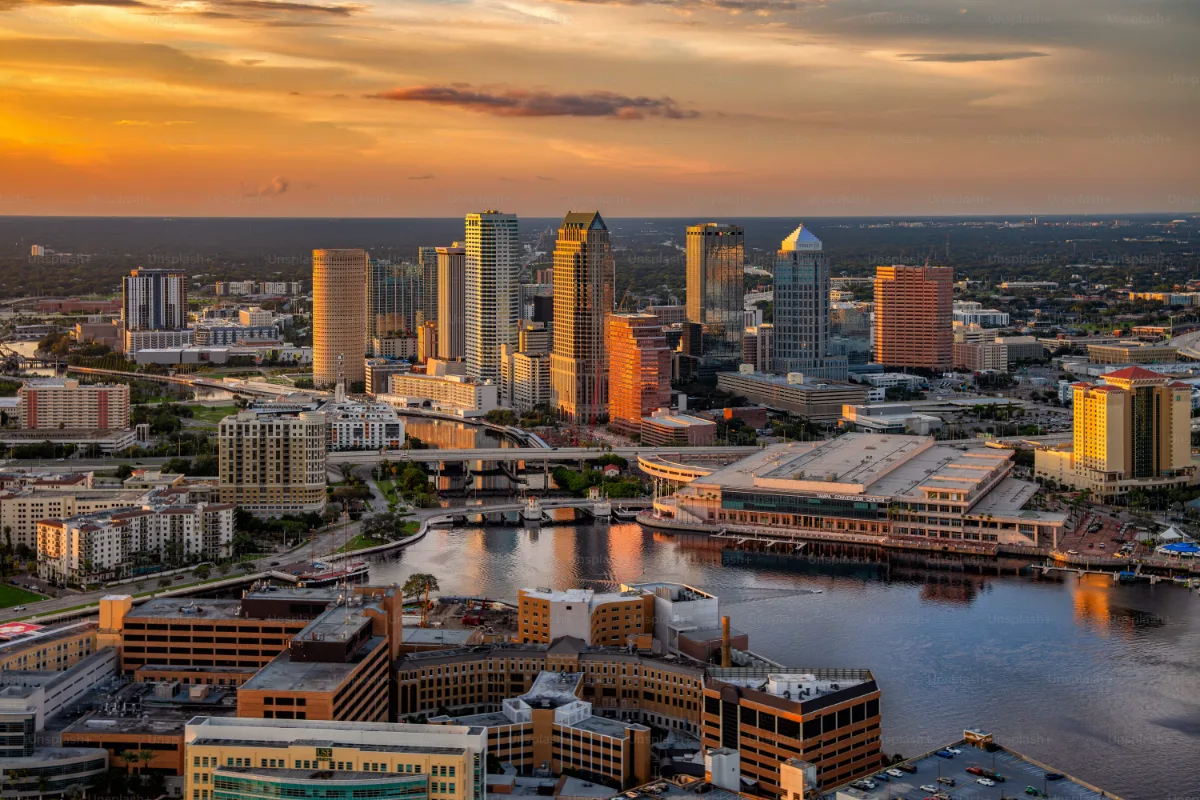
Tampa feels like a mid-size city that's trying to become a big city. Water Street Tampa is a $3.5 billion mixed-use development that's added hundreds of apartments, restaurants, and retail spaces. The Riverwalk is beautiful. There are five MICHELIN-starred restaurants in the metro. Ybor City has Cuban sandwiches and craft breweries. But outside of a few walkable pockets, Tampa is a car city through and through.
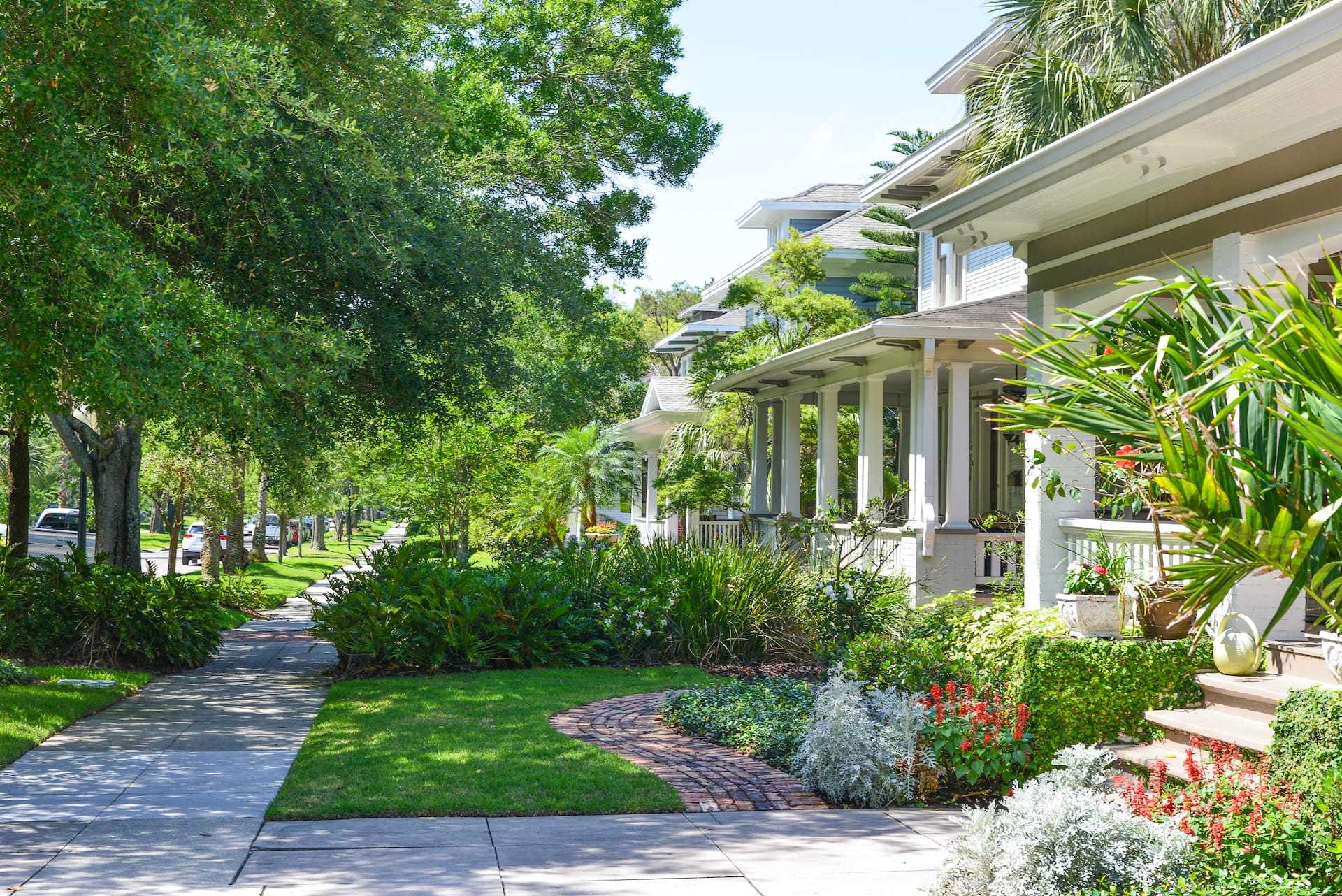
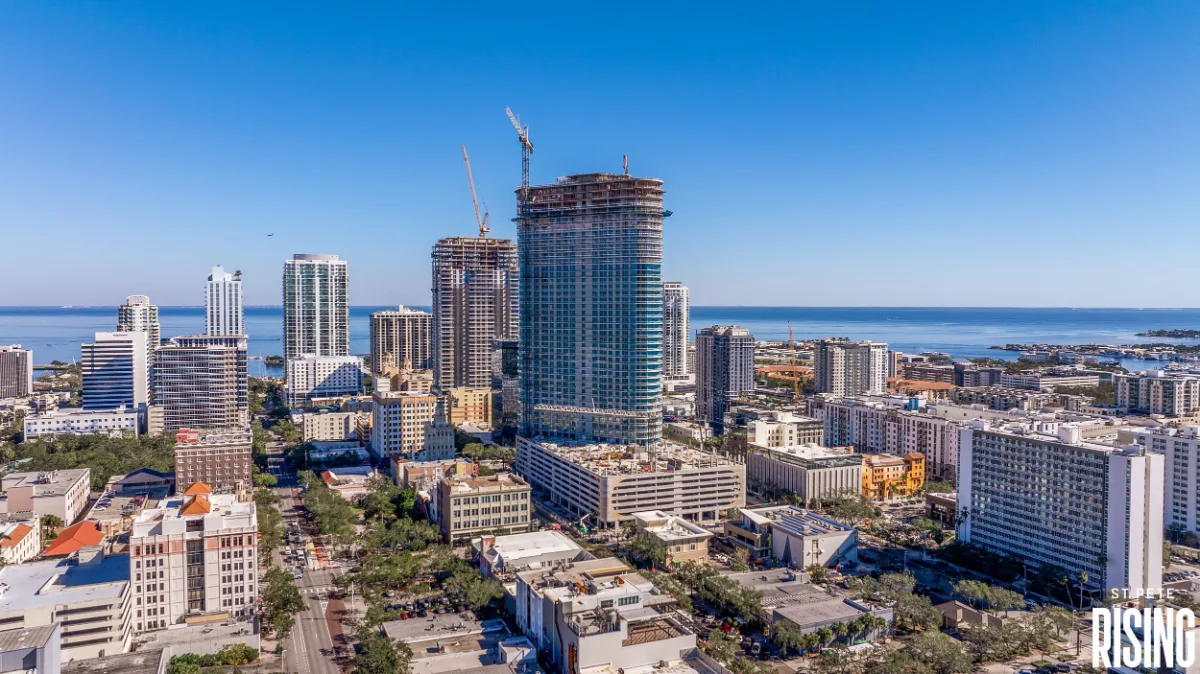
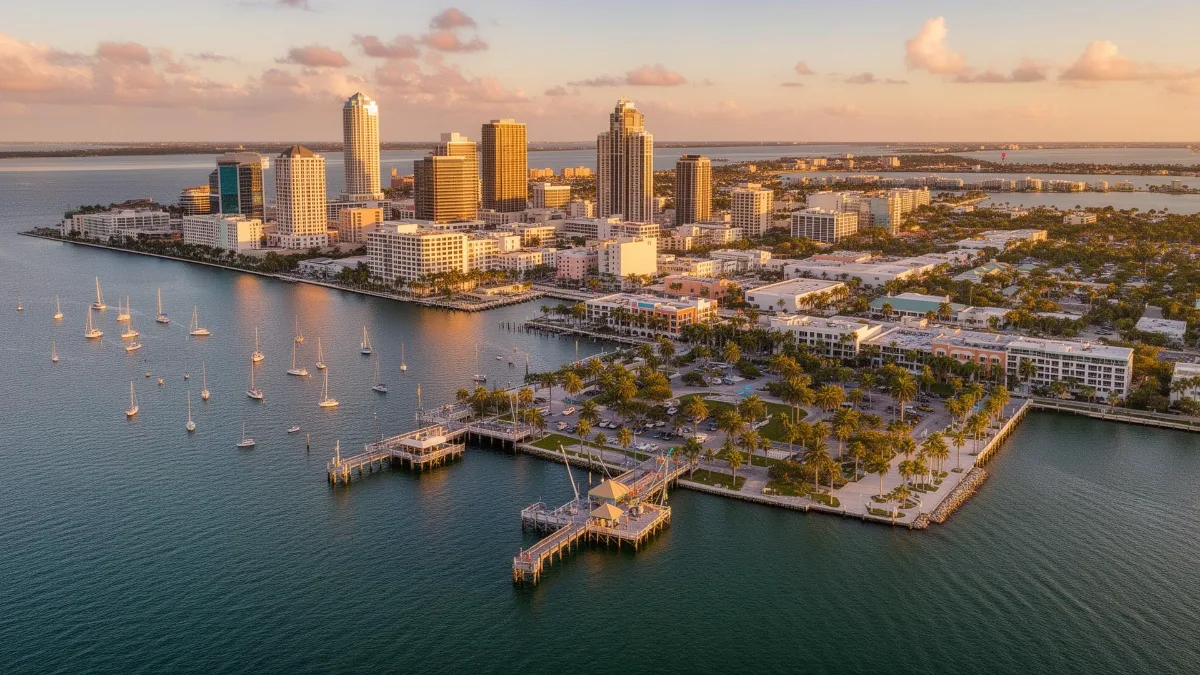
St. Pete feels like the cool smaller city that doesn't want to grow up. Downtown St. Pete has walkability scores above 90. The Dali Museum is genuinely world-class. Beach Drive dining is on another level. The Saturday Morning Market, SHINE Mural Festival, Central Avenue's independent shops and bars - it all creates a vibe that's hard to replicate. And you're 10-15 minutes from some of the best beaches in the country.
If your ideal Saturday is brunch, a museum, walking your dog along the waterfront, and watching sunset at a beach bar - all without getting in a car - St. Pete wins that comparison every time.
If you want pro sports (Bucs, Lightning, Rays), corporate career proximity, more restaurant diversity (Tampa's Vietnamese and Middle Eastern food scenes are exceptional), and a bigger-city energy - Tampa is your play.
The beach question matters more than people think. Tampa is 30-45 minutes from Gulf beaches. St. Pete is 10-15 minutes from St. Pete Beach, Treasure Island, and Fort De Soto. If you're moving to Florida specifically for beach lifestyle, that gap is a deciding factor.
The commute reality
If you or your partner works on the opposite side of the bay, you need to understand what that means before you sign a contract.
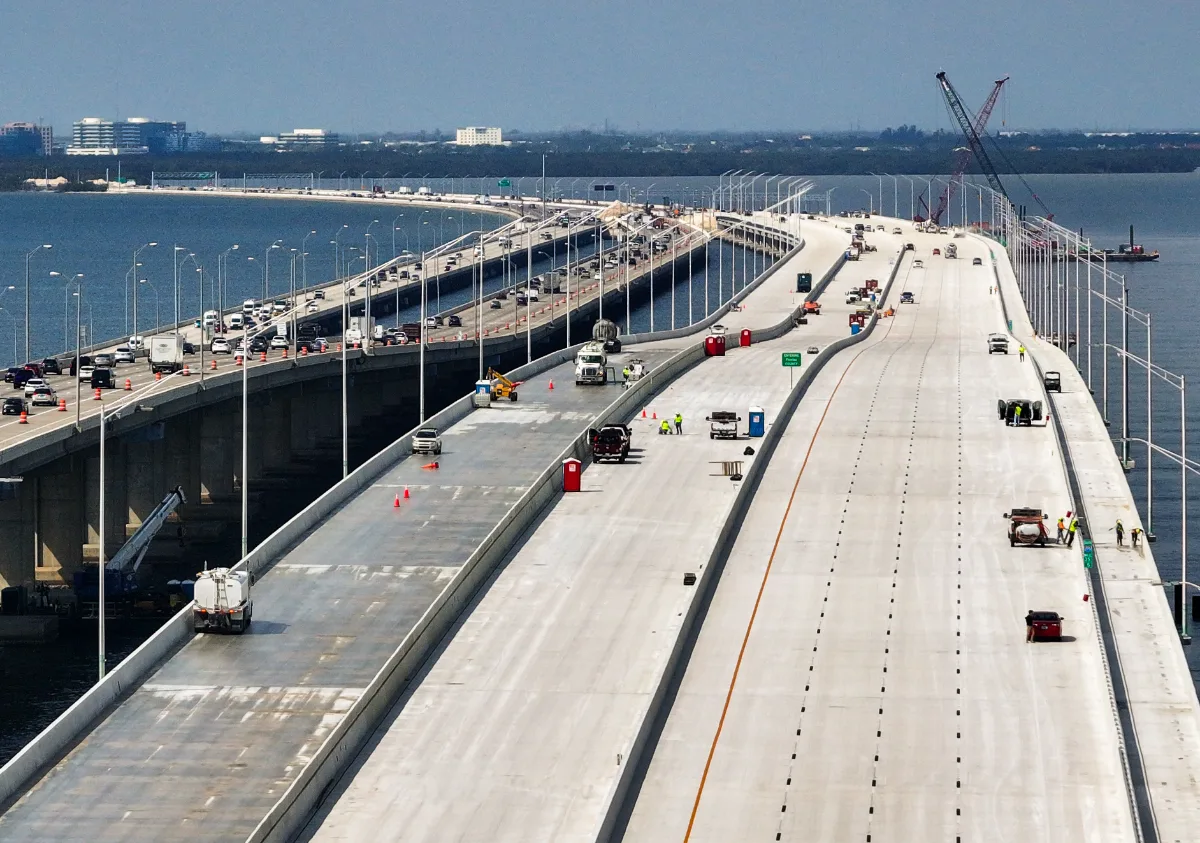
The Howard Frankland Bridge, Gandy Bridge, and Courtney Campbell Causeway connect Tampa and St. Pete across the bay. During peak hours, crossing takes 35-60 minutes depending on traffic and which bridge you use. That's one way.
The good news: the new westbound span of the Howard Frankland is expected to open in 2026, which should relieve some congestion. The bad news: bridge traffic is a fact of life here, and no single lane addition will eliminate it.
Remote workers have the biggest advantage in this market. If you don't have to cross a bridge daily, you can choose purely on lifestyle preference. I've seen a significant shift of remote workers choosing St. Pete over Tampa in the past two years specifically because the beach access and walkability make work-from-home life better.
If you work in Tampa's Westshore business district or downtown Tampa and want to live in St. Pete, budget 40-50 minutes each way and decide if that trade-off is worth it. For some people it absolutely is. For others, it's a deal-breaker.
Flood risk: different profiles, both real
Both cities have significant flood exposure, but the nature of the risk differs.
Tampa's flood risk centers on the Hillsborough River corridor and bay-adjacent neighborhoods. South Tampa, Davis Islands, and low-lying areas along Bayshore Boulevard are in Zone AE. Inland Tampa (Carrollwood, New Tampa, Westchase) is generally Zone X with minimal flood insurance requirements.
St. Pete's flood risk is more pervasive because the city sits on a peninsula between Tampa Bay and the Gulf. The barrier islands are Zone VE. Waterfront neighborhoods like Shore Acres were devastated by Helene. But inland St. Pete has pockets of higher elevation - neighborhoods like Kenwood, Crescent Heights, and parts of the Grand Central District sit on relatively high ground and are in Zone X.
Post-Helene, homes in non-flood-zone neighborhoods in both cities are commanding measurable premiums over comparable flood-zone properties. This is a trend I expect to accelerate.
My recommendations by buyer type
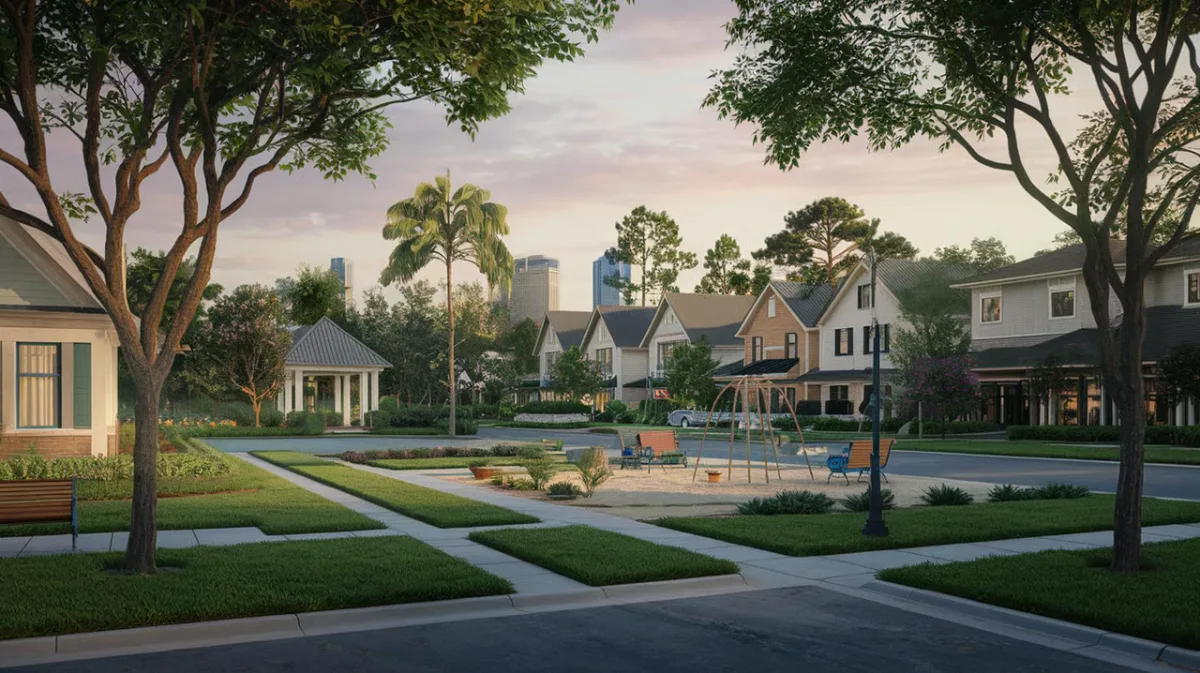
Families with school-age kids: Tampa edges ahead here. Hillsborough County has a larger school district with 224,000+ students and more suburban family-oriented communities in areas like FishHawk, Westchase, and Wesley Chapel. That said, St. Pete has excellent magnet and fundamental schools - Shorecrest, Canterbury, Northside Christian, and several strong publics. Do your research by specific school, not just by city.
Young professionals: Both cities are strong. Tampa for corporate career access, nightlife, and sports culture. St. Pete for walkability, arts scene, and beach proximity. If you're under 35 and single, downtown St. Pete is probably the more fun choice. If you're building a career in finance, healthcare, or tech, Tampa has more headquarters and corporate offices.
Retirees: St. Pete slightly favored for walkability, medical access (Johns Hopkins All Children's, Bayfront Health), and the relaxed pace. South Tampa also works well for retirees who want a more urban feel. Avoid anywhere that requires bridge commuting to your doctors or social life.
Remote workers: St. Pete wins on lifestyle per dollar for most remote workers. Beach access, walkability, coffee shop culture, and a vibrant social scene without the sprawl. Unless you need the suburban space that Tampa's outer neighborhoods provide.
Investors: Tampa offers more new construction and suburban growth plays (Wesley Chapel, Riverview). St. Pete has constrained land supply driving long-term appreciation in walkable districts - but higher entry costs and more flood exposure to manage.
There's no wrong answer. Just the right answer for you. And the best way to figure that out is to spend time in both cities before you commit.





%2520(1).webp)







.svg)
.svg)