
.svg)



Your realtor probably isn't telling you this, but the Tampa Bay market just hit a tipping point that changes everything about how you should approach buying or selling.
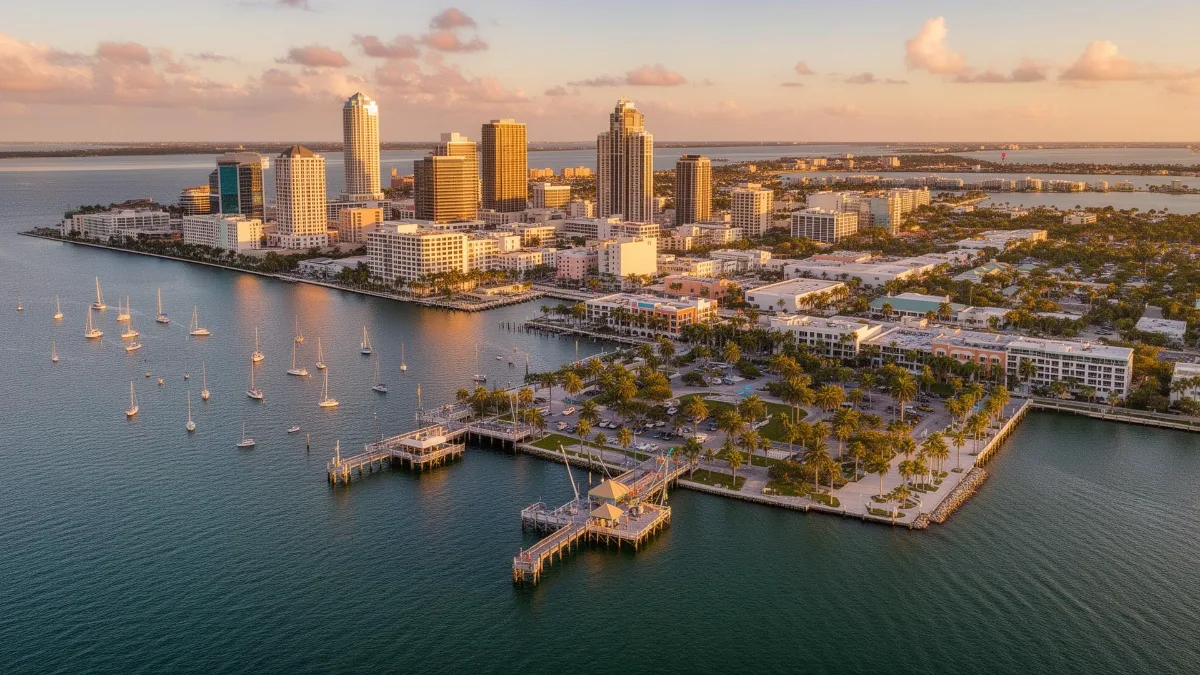
In Pinellas County, homes are now taking around 48 days to go pending, with housing values down 6.4% over the last year. In Hillsborough County, housing values are down 3.9% over the last year and also taking around 48 days to go pending.
This isn't a market crash - it's a market reset. And if you're thinking about making a move, you need to understand what these numbers actually mean for your next decision.
The 18% inventory surge nobody's talking about
While everyone's focused on interest rates and affordability, the real story is happening in the inventory numbers. Active listings are up roughly 18% compared to spring 2025, giving buyers more options than they have had in several years.
Let me put this in perspective: we've gone from a market where buyers had minutes to decide to one where they have weeks. Days on market have increased from 30-45 days across most Tampa Bay zip codes, with some sources showing 47-54 days a year ago stretching to 61-84 days now.
According to Realtor.com's December 2025 housing report, active listings in the Tampa Bay area increased by 14.8% year-over-year. This represents the total number of homes currently available for sale at any given time.
Translation: you're not competing against 15 other buyers anymore. You're competing against maybe 3-5. That's a fundamental shift in negotiating power.
Why Pinellas County is leading the slowdown
Pinellas County's 48-day average isn't happening in a vacuum. There are specific reasons this coastal market is cooling faster than its neighbors.
Tampa's correction has been steeper than most, largely because of the condo oversupply and the outsized impact of Hurricane Helene on Pinellas County, where some flood-damaged homes are selling at 60-70% of pre-storm values.
Insurance costs are crushing buyer demand. Data from PCPAO & Florida Realtors indicates slight decline (-3%) on barrier islands due to insurance pressures and slow permitting post-storms. When your flood insurance doubles and your homeowner's policy triples, that $425,000 median home price suddenly feels a lot more expensive.
Data from Redfin shows the Tampa metro area now has about a 5.4-month supply of homes for sale. That's well above the national average of 3.8 months and signals a clear shift toward a buyer's market. When housing supply increases like this, it typically puts downward pressure on home prices.
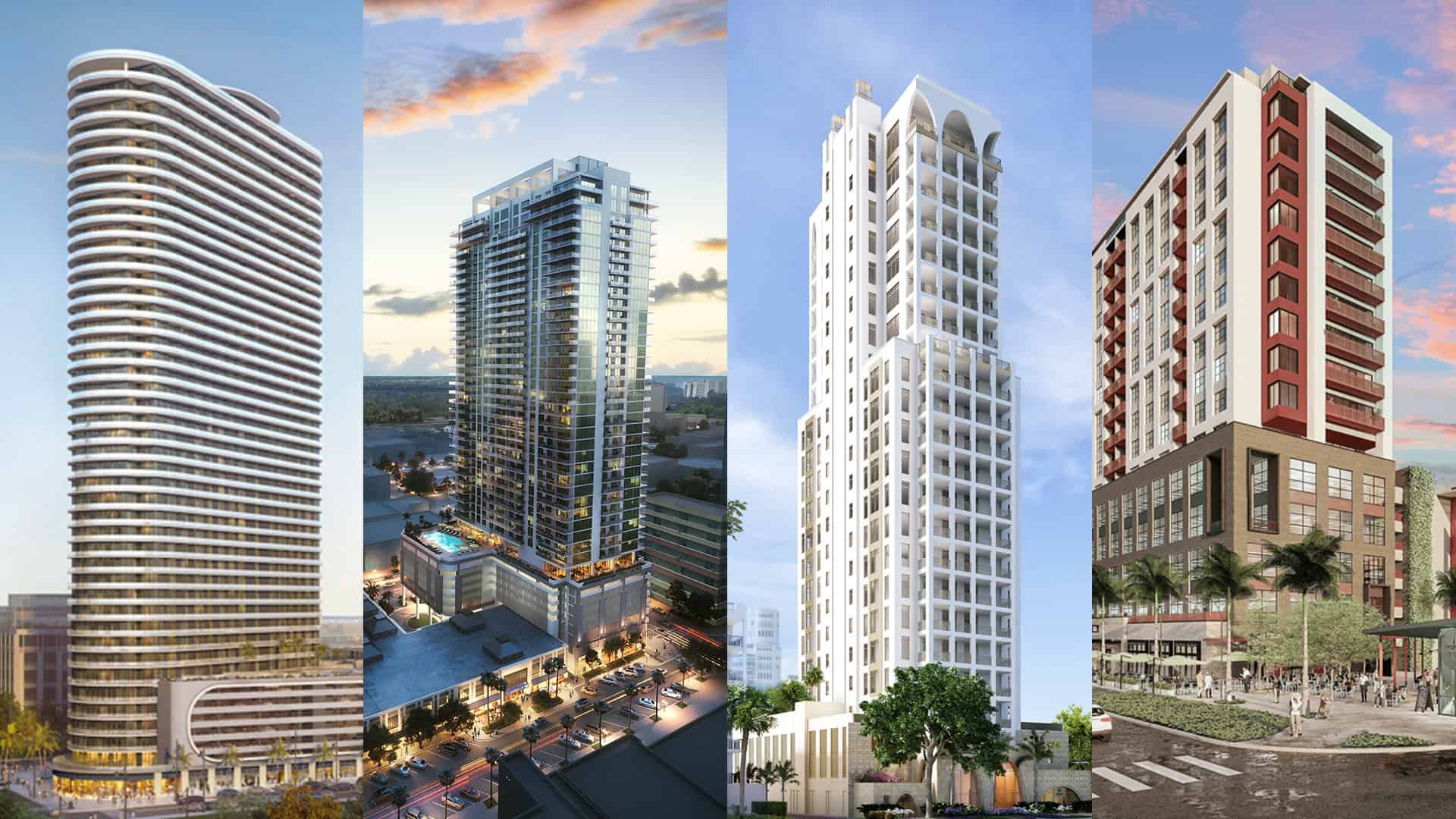
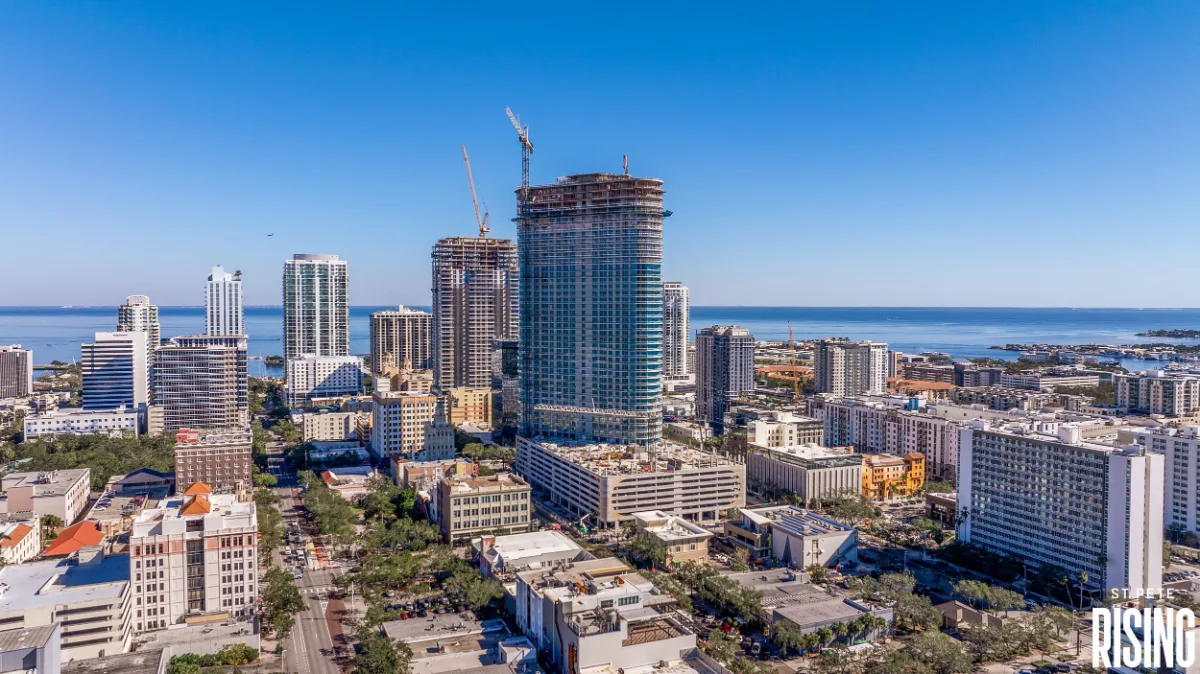
The condo market is getting hit particularly hard. Condos and townhomes have been hit harder than single-family homes, with prices dropping 12% compared to 1.5% for detached homes. Special assessments, rising HOA fees, and stricter lending requirements are creating a perfect storm for condo sellers.
If you're selling a condo in Pinellas County, get your HOA financials, reserve studies, and recent special assessment history ready before listing. Buyers are doing deep due diligence on building finances, and incomplete documentation will kill deals.
The two-track market you need to understand
Here's what the average buyer and seller don't realize: Tampa Bay isn't one market anymore. It's two completely different markets running on parallel tracks.
Track 1 - Single-family homes: Prices are down only about 1.5% year over year in desirable locations. Inventory has increased, giving buyers more options and negotiating power, but we're not seeing distressed selling or panic.
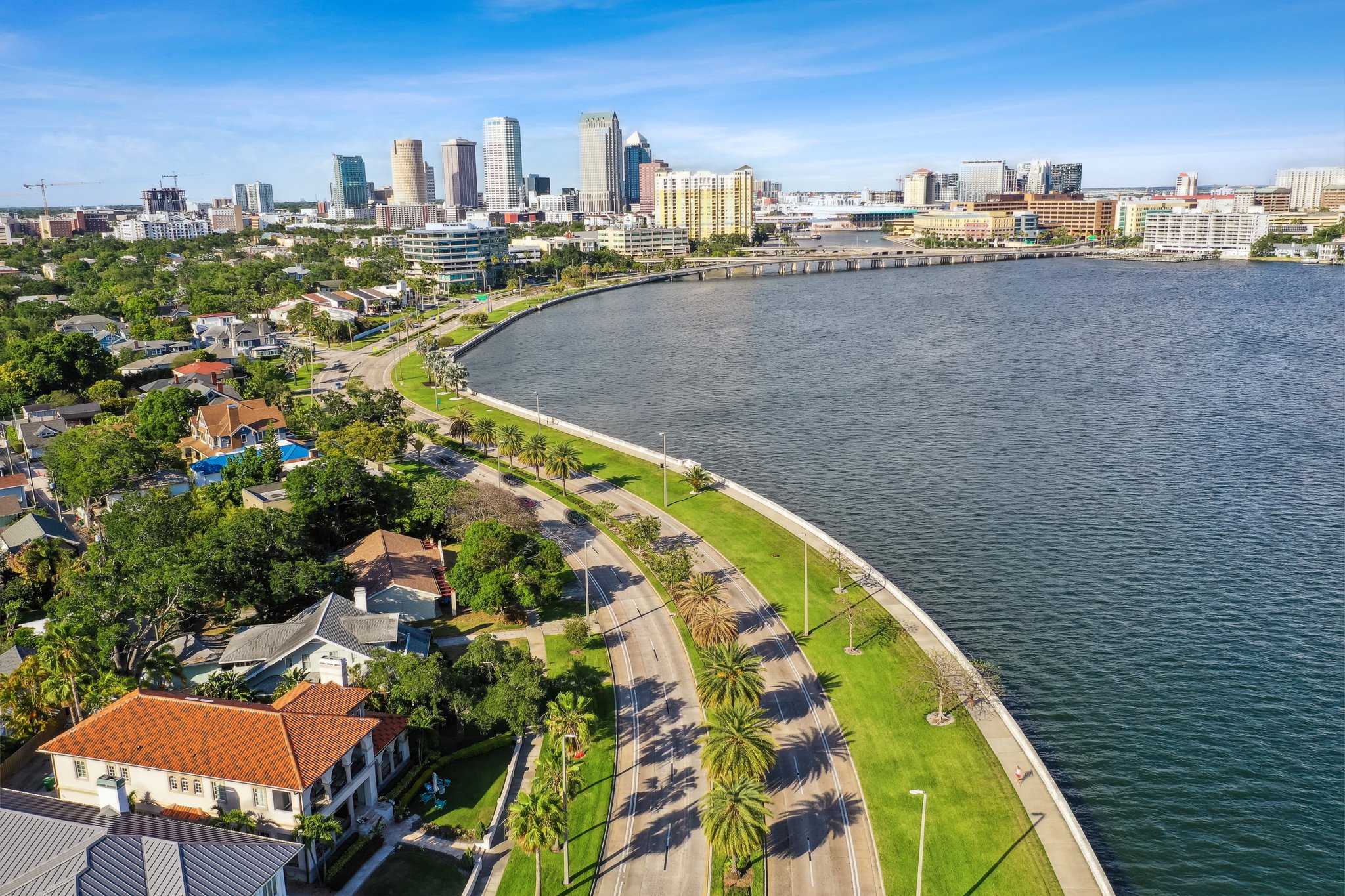
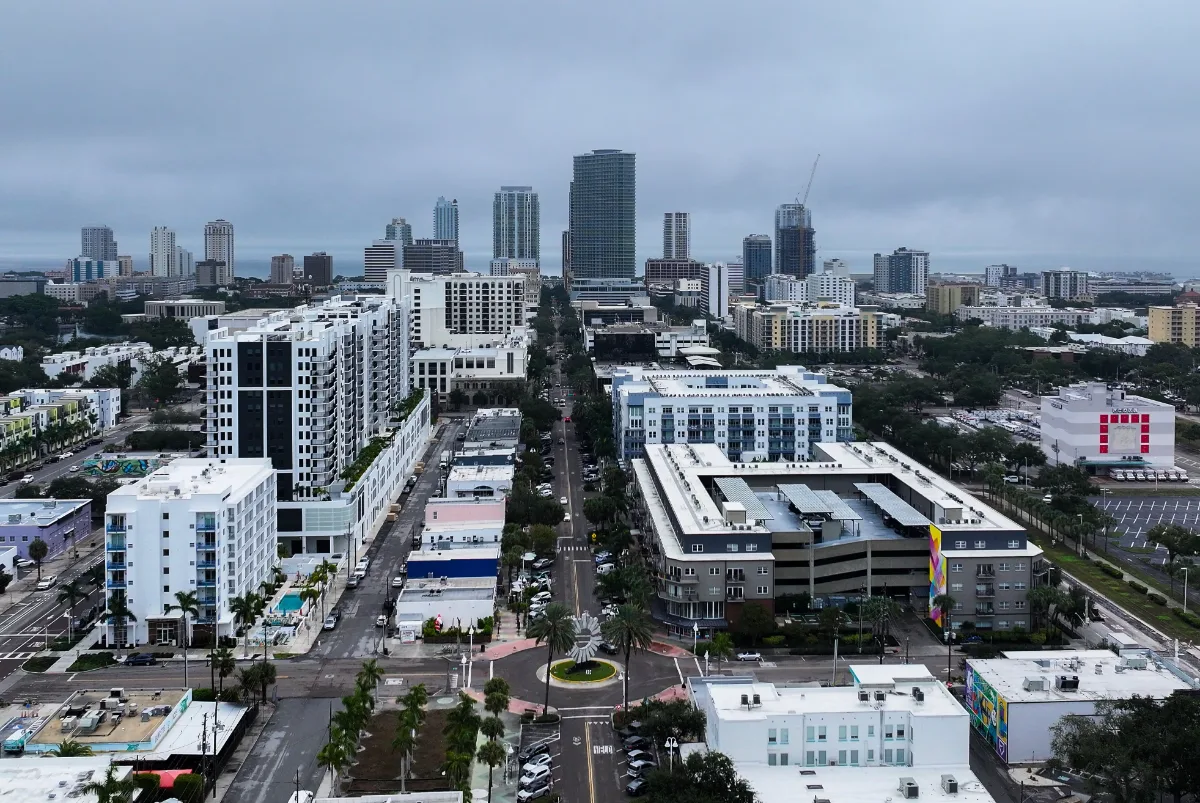
Track 2 - Condos and coastal properties: This is where the real pain is happening. Much of the inventory here consists of high-end condos and townhomes. With the delivery of new units in Water Street and Bayshore, buyers now have more options, pushing "Days on Market" to over 100. Sellers are more willing to negotiate here than anywhere else in South Tampa.
Most existing homeowners are locked in. Roughly 70% of current homeowners have mortgage rates below 5%. They're not selling unless they have to, which limits distressed inventory.
This explains why you're seeing such different experiences depending on what you're buying or selling. A well-priced single-family home in Wesley Chapel might still sell in two weeks, while a waterfront condo in Clearwater sits for three months.
What 48 days really means for your strategy
If you're selling, that 48-day average should terrify you - but only if you're not prepared for it. If you're a seller, pricing correctly from day one is more critical than ever. The days of "list high and see what happens" are gone.
Homes are selling roughly 4% below list price on average. Over half of Tampa listings have price cuts. The market is telling sellers exactly what it thinks of aspirational pricing.
For buyers, this is the most negotiating power you've had since before COVID. For buyers, this is the most leverage you've had in years. If you're a buyer, this is the most negotiating power you've had in Tampa Bay since before the pandemic. More inventory, longer days on market, and sellers willing to make concessions.
You can ask for closing costs. You can request repairs. You can negotiate on price. You have time to actually think about your decision instead of making emotional bids on the spot.
"The difference between a home that sits for 90 days and one that sells in 21 days almost always comes down to pricing strategy."
The honest take on what's coming next
I'm not going to sugarcoat this: we're in a transition period, and nobody knows exactly where it leads. Forecasts for 2026 vary widely, with Zillow predicting a modest 1.3% rebound while Realtor.com expects prices to fall another 3.6%.
What I do know is this: The key catalyst to watch is mortgage rates. They're hovering around 6% right now. If they drop below 5.5%, there's significant pent-up demand that could unlock quickly. A lot of buyers are sitting on the sidelines waiting for exactly that signal.
The fundamentals haven't changed. People are still moving to Tampa Bay. Jobs are still being created. The weather is still better than Chicago. But the frenzy is over, and that's actually healthy for everyone involved.
What we're seeing is a normalization, not a collapse. Prices overshot during the pandemic. They're correcting to sustainable levels.
If you're planning to stay for 5+ years, this market offers real opportunity. You have options you didn't have 18 months ago. You can negotiate. You can take your time. You don't have to settle.
I've been tracking these numbers daily for months, and I can show you exactly what's happening in your specific neighborhood. The data tells a story, but it's different for every zip code and property type.
Ready to see what the numbers look like for your situation? Let's talk. No pressure.


%2520(1).webp)












.svg)
.svg)