
.svg)



You're staring at a completely different Tampa Bay market than two years ago. Tampa Bay home prices fell 6% in 2025 and inventory surged 14.8% year-over-year, creating a 5.4-month supply of homes. After years of bidding wars and waived inspections, the power has officially shifted.
Here's what nobody's talking about: Tampa Bay area home prices ranked among the top 10 markets expected to see the biggest drops in 2026. This isn't panic - it's opportunity. But you need to understand what's driving this correction and why it might not last as long as you think.
The inventory explosion is reshaping everything
Tampa's housing supply reached a multi-year peak as of January 2026, indicating the market has moved toward a healthy equilibrium. Translation: you're no longer fighting 15 other buyers for the same Seminole Heights bungalow.
Homes now spend an average of 44 to 98 days on the market, with sellers offering buyer-funded perks to move inventory. The "take it or leave it" culture is dead. Instead, you're seeing:
- Mortgage rate buydowns: Sellers contributing funds to lower your initial interest rate
- Closing cost assistance: Direct cash toward your fees and taxes
- Insurance and repair credits: Negotiated offsets for maintenance discovered during inspection
Zillow labeled Tampa-St. Petersburg a buyer's market with a "heat index" of 41 out of 100, with buyer-friendly conditions expected to continue into 2026.
Why condos are getting hammered worse than single-family homes
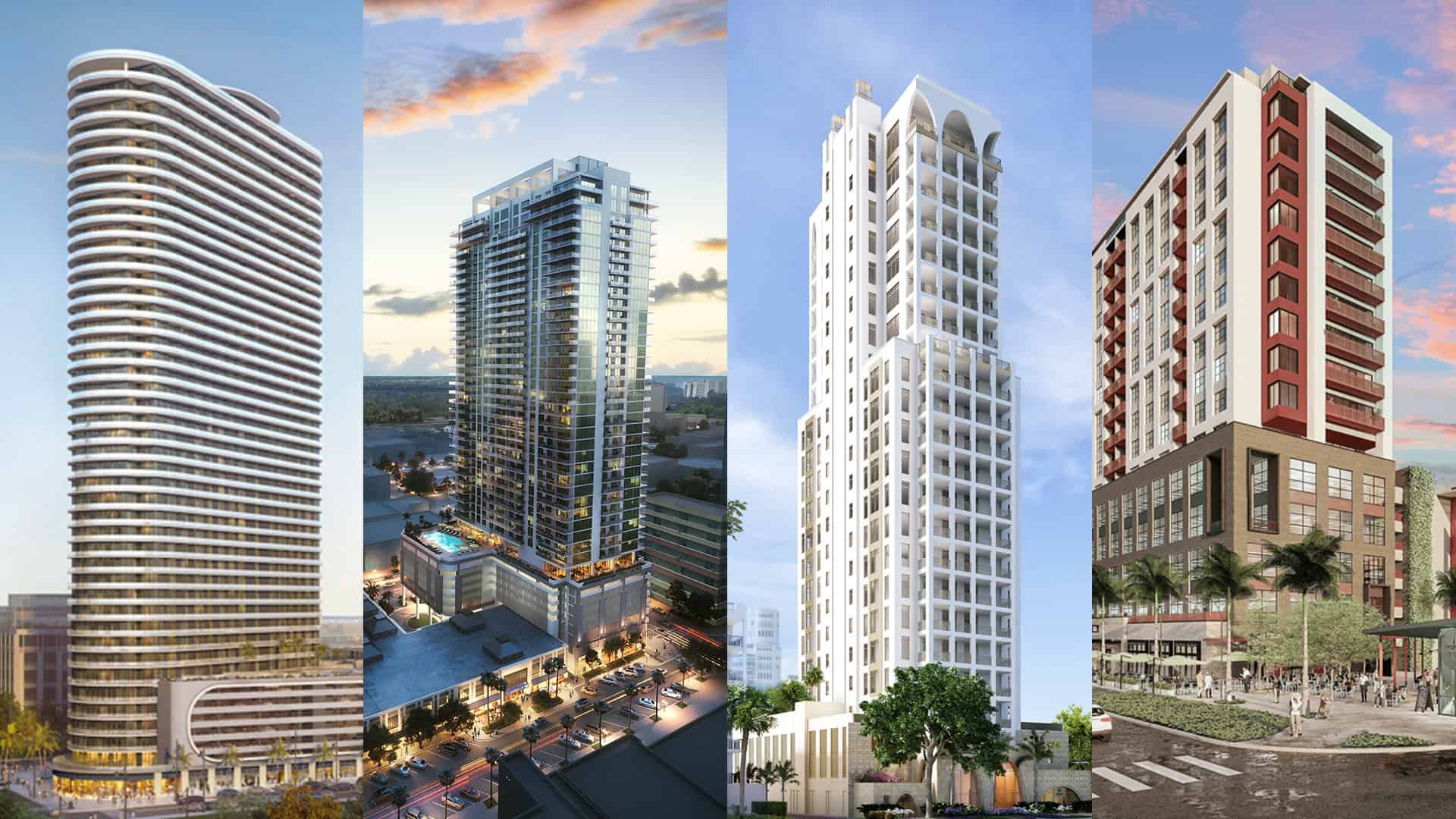
Condos and townhomes have been hit harder than single-family homes, with prices dropping 12% compared to 1.5% for detached homes. This isn't random - it's Florida's insurance crisis creating a two-tier market.
Florida faces insurance premiums 181% above the national average, with post-Surfside condo reserve mandates triggering six-figure special assessments. Buyers are doing the math and realizing that $300,000 condo in Clearwater might cost another $50,000 in special assessments over the next five years.
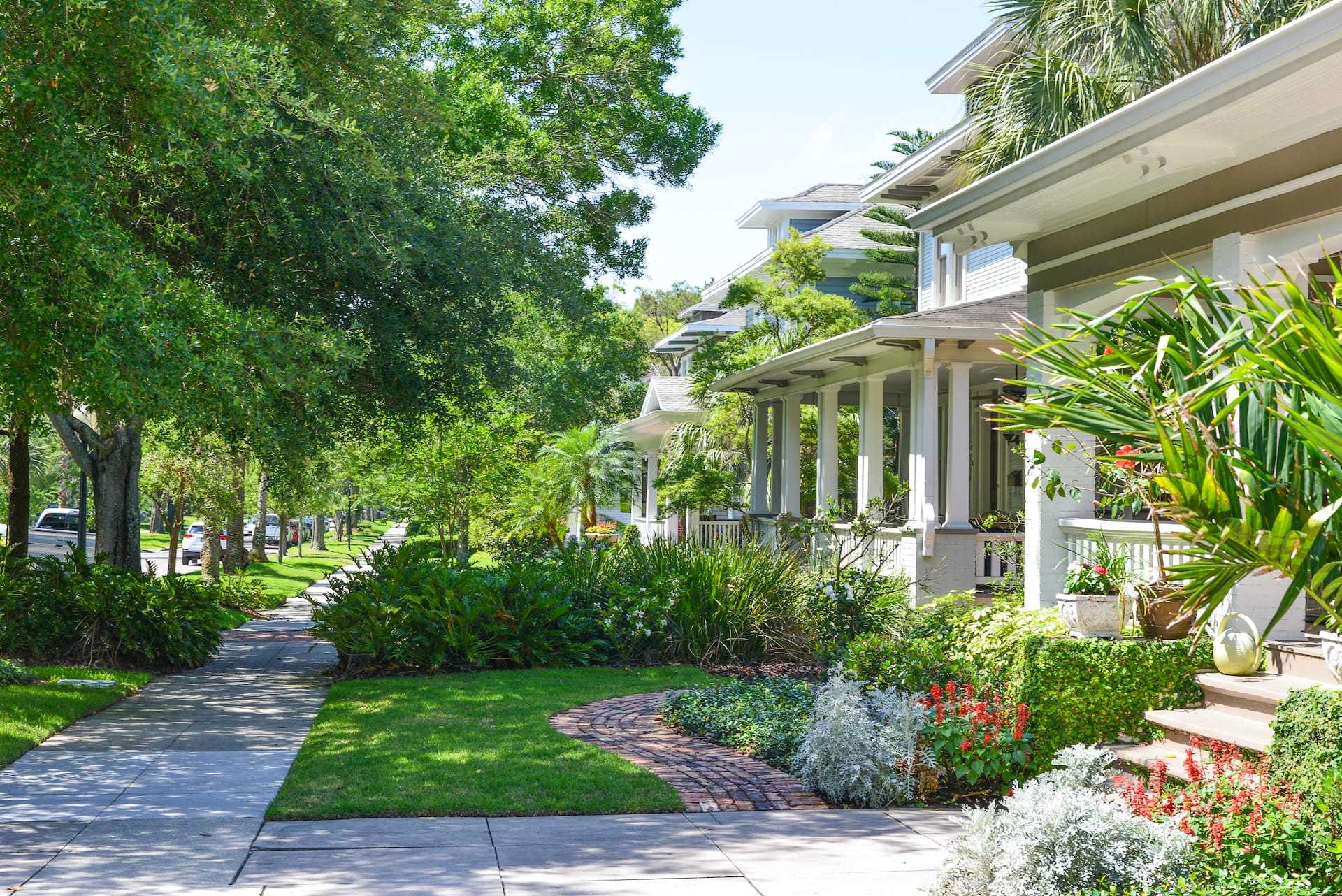
Single-family homes in non-flood zones are holding value better. Areas like Carrollwood, Westchase, and parts of Wesley Chapel are seeing modest declines while waterfront condos in St. Petersburg face double-digit drops.
Focus on single-family homes built after 2005 with updated electrical and roofing. These properties qualify for better insurance rates and face fewer special assessments than older condos.
The real reason builders are panicking
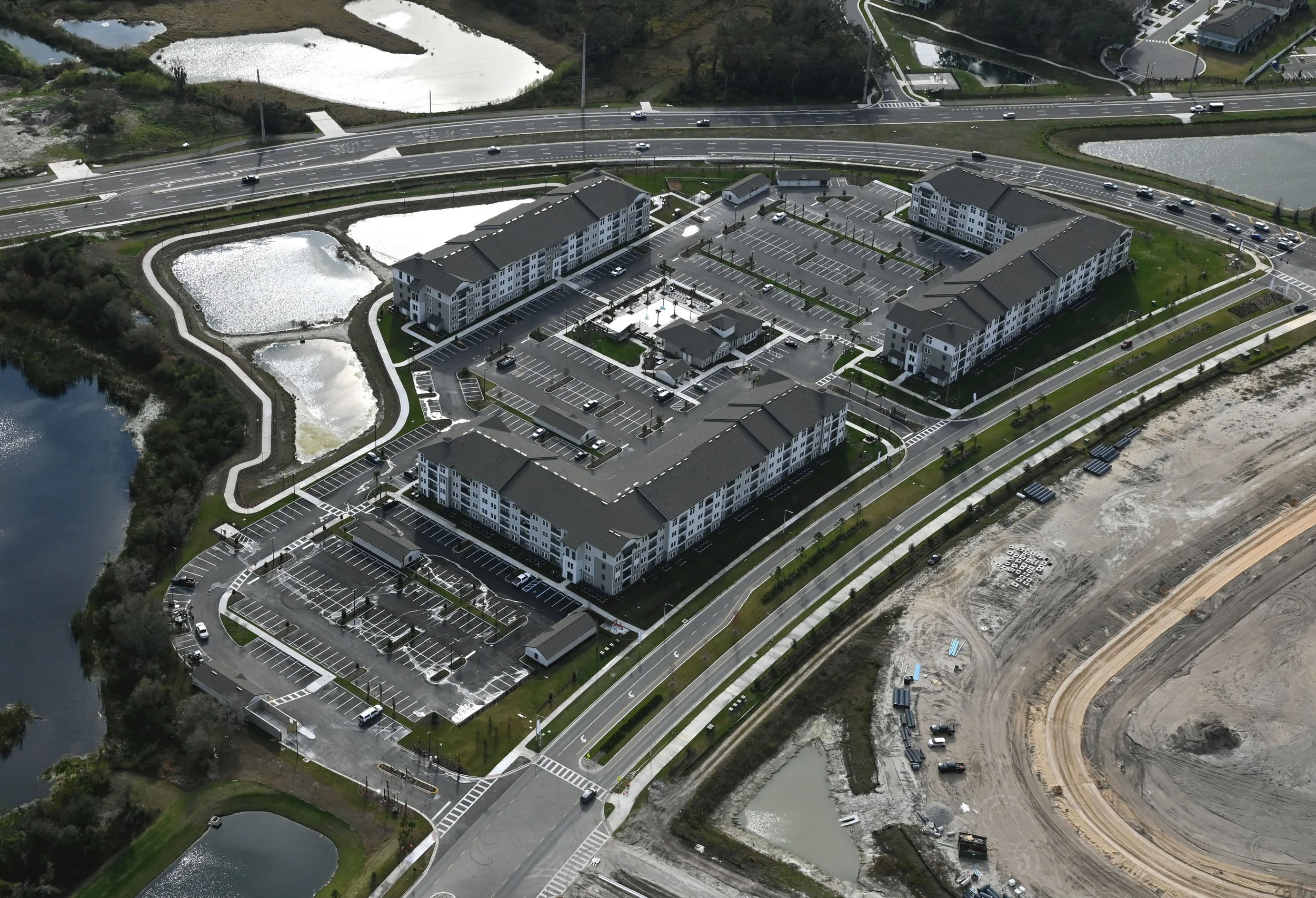
High inventory is putting pressure on sellers, especially in fast-growing areas south of Tampa Bay, with "builder after builder throwing up all these houses" in Manatee County without enough buyers.
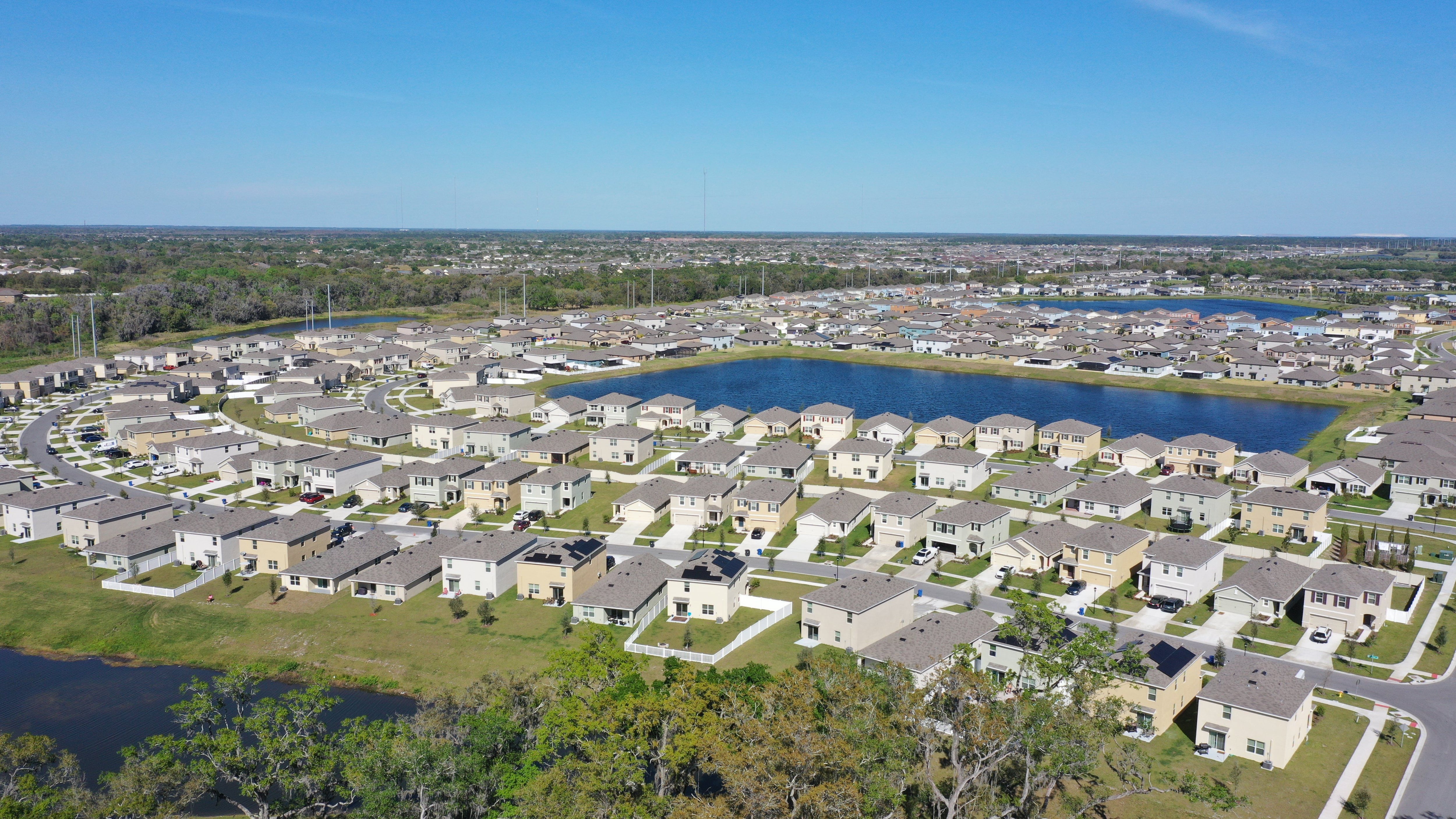
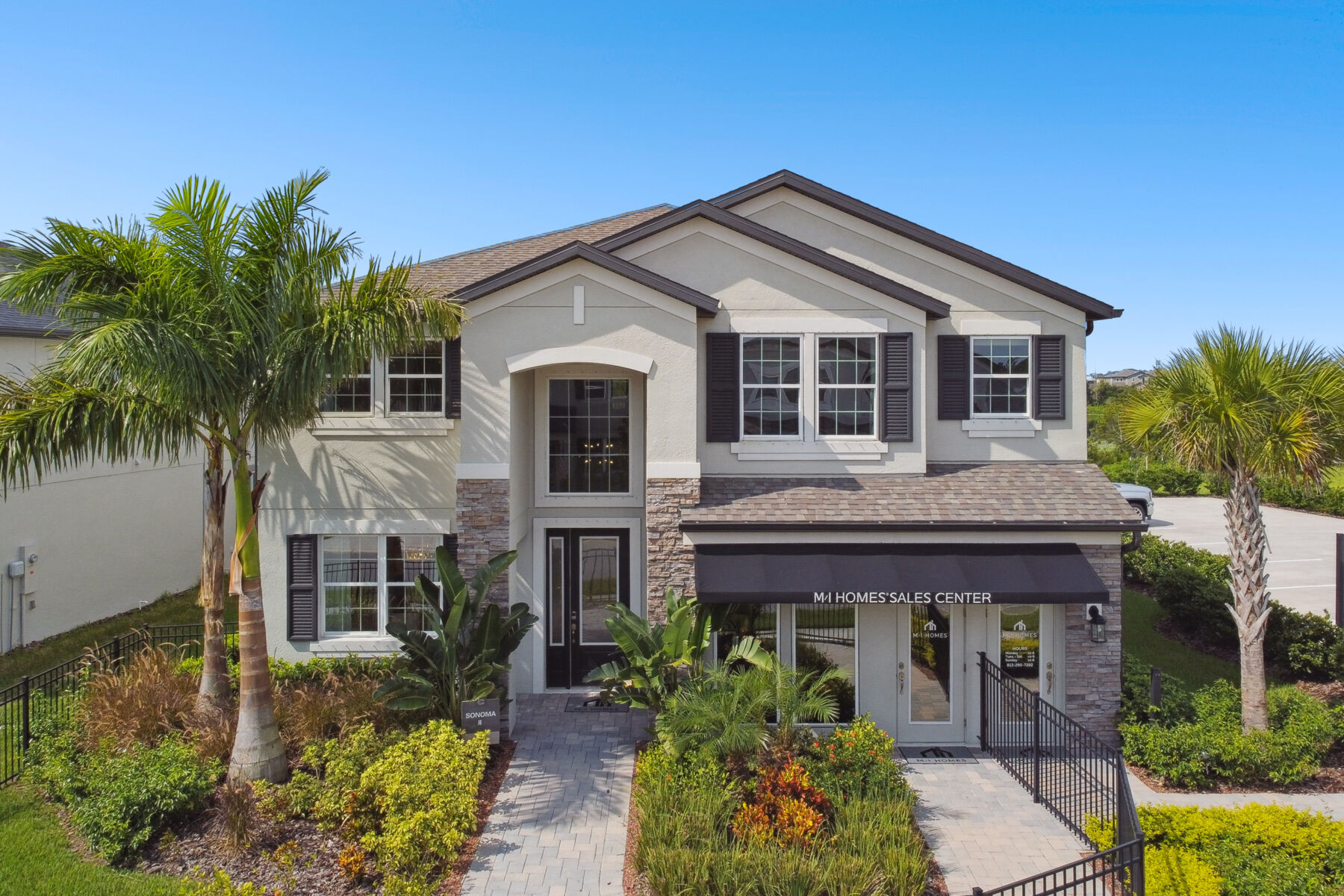
Builders in Tampa suburbs have been aggressive, with surplus new construction inventory in areas like Riverview and Land O' Lakes forcing builders to offer aggressive incentives and existing resale home owners to lower prices to compete.
Here's the brutal reality: some builders overestimated demand in outer suburbs. Some sellers have struggled so much that they've turned listings into rentals instead of selling. When builders start offering $50,000 in incentives and sellers pivot to rentals, you know the market has shifted hard.
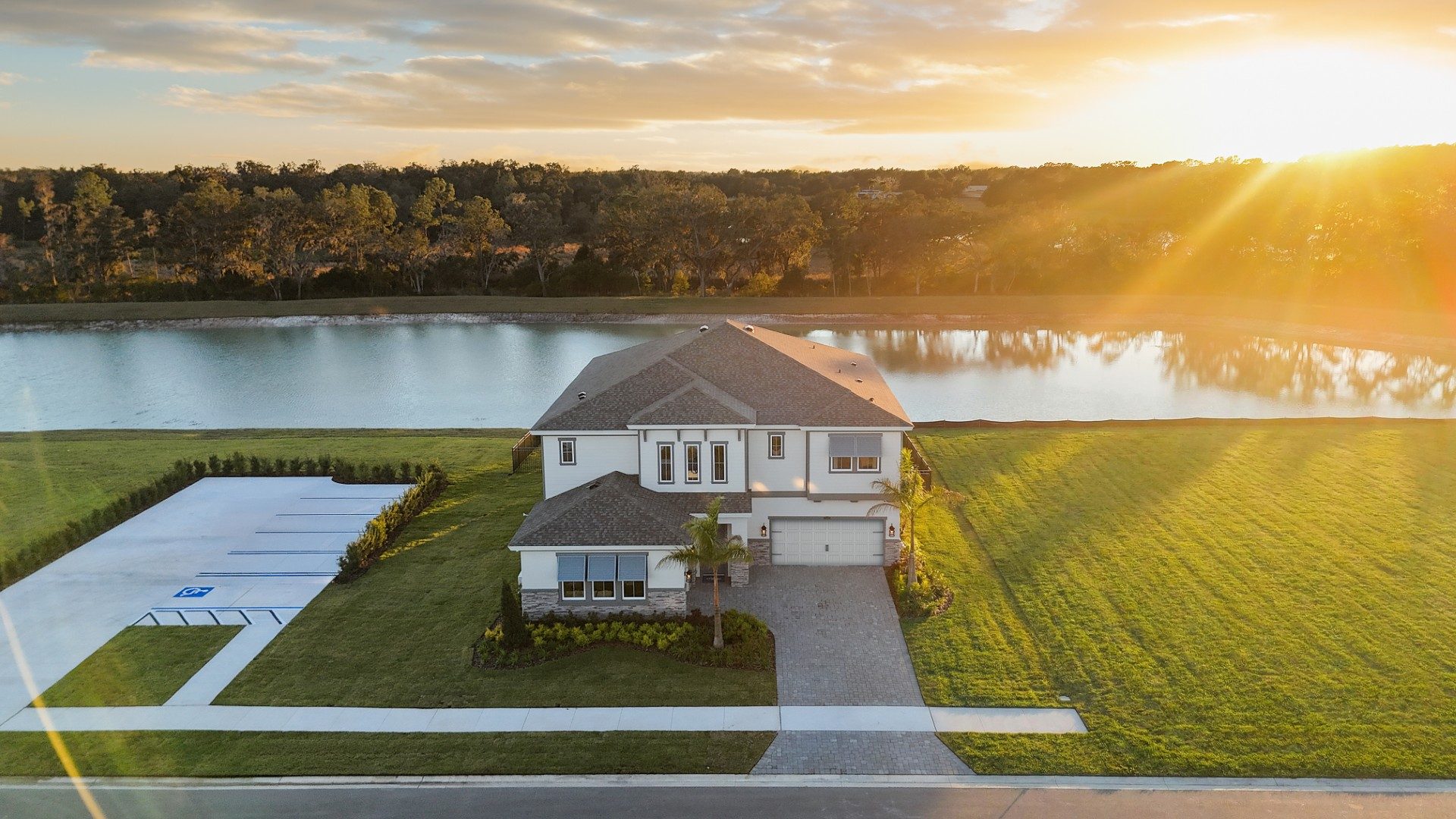
But this creates opportunity. New construction homes that sat overpriced for months are now offering real value through buydowns and upgrades.
The mortgage rate reality nobody wants to admit
Many buyers are waiting for mortgage rates to return to around 3%, but "when we had 3% rates, homes were going way above appraisal, people were waiving contingencies, and that's what got us here" with sellers "trying to sell at super high values because that's what they owe the bank".
As of mid-February 2026, the national 30-year fixed rate was approximately 6.01%, with forecasts projecting rates to average between 6% and 6.5% for the full year.
Here's my honest take: waiting for 3% rates is like waiting for $2 gas. It's not happening. Forecasts suggest rates could hit the low 6s or high 5s, and even a smaller dip helps your bottom line. The difference between 6.5% and 6% on a $400,000 loan saves you about $120 monthly.
"If you're waiting for prices to drop to 2019 levels, you may be waiting forever" - The Orlicki Group
What 2026 actually looks like for buyers
The forecasts are all over the map. Zillow predicts a modest 1.3% rebound while Realtor.com expects prices to fall another 3.6%. Even though Tampa Bay home prices declined over the past year, they're still 40% to 50% higher than before the pandemic, and combined with higher insurance costs, Tampa is no longer the affordable coastal market it once was.
But here's what I'm seeing on the ground: If mortgage rates dip below 6% (likely after Q1 2026), pent-up buyer demand will unlock, with mini bidding wars returning for updated homes under $500K in non-flood zones with good school ratings.
The window for maximum buyer leverage is narrowing. Once rates drop meaningfully or inventory stabilizes, you'll see competition return fast.
Where smart money is going right now
Emerging zones include South St. Pete, Historic Uptown, and Palmetto Park for infill and flips, while South Tampa continues to outperform due to school demand and proximity to downtown.
The best opportunities I'm seeing:
- Updated homes under $450K: These will see bidding wars return first when rates drop
- Non-flood zone properties: Insurance advantages create long-term value protection
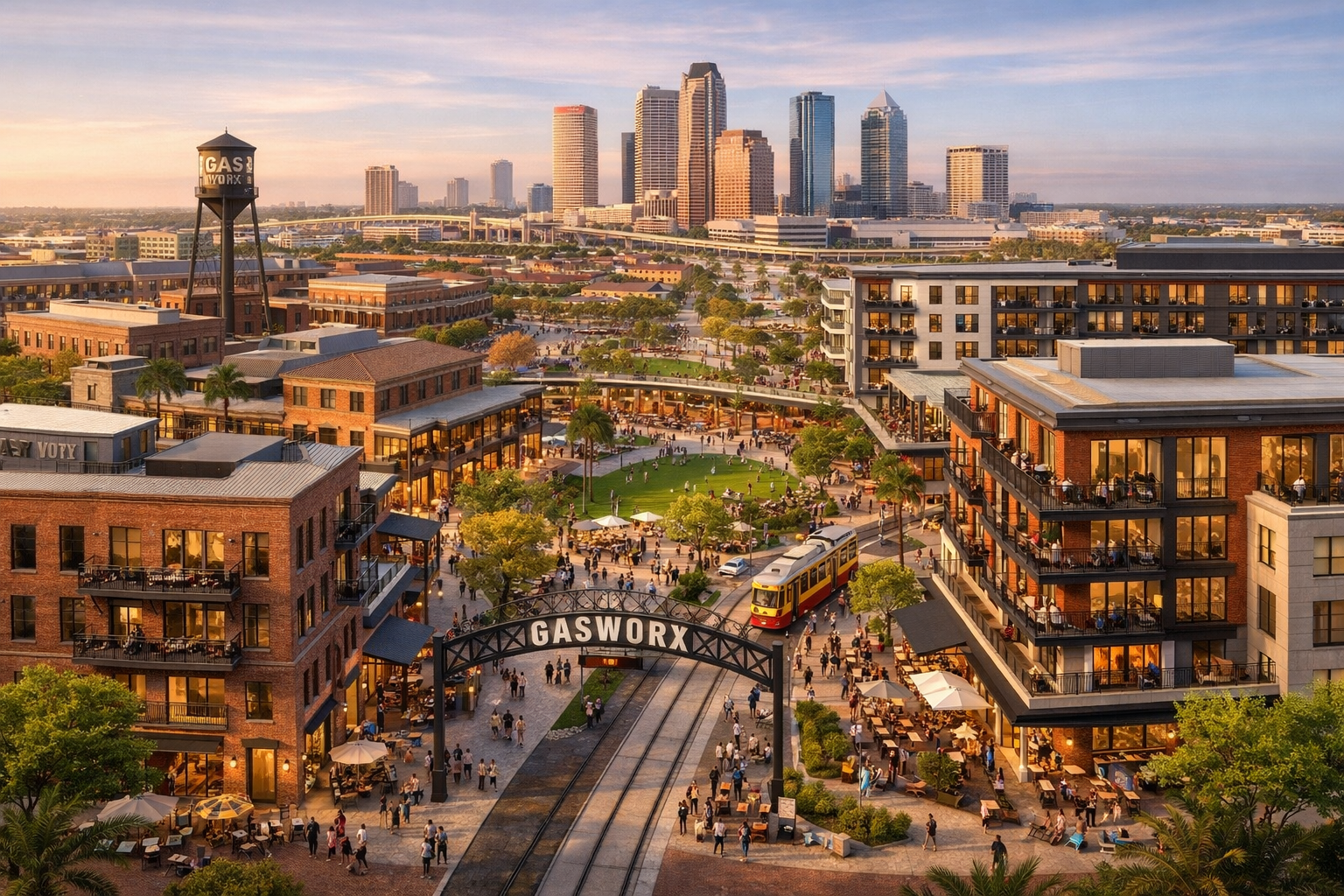
- Walkable neighborhoods: Seminole Heights, Hyde Park, downtown St. Pete maintain premium demand
- New construction with incentives: Builders offering genuine value through buydowns
The Tampa Bay market isn't crashing - it's correcting. Affordability issues persist since prices remain 40% to 50% higher than pre-pandemic levels, but these factors increase supply and reduce demand, shifting the market dynamic to benefit buyers.
If you've been waiting for your moment, this is it. More inventory, motivated sellers, and negotiation power you haven't seen since 2019. But don't wait too long - experts say 2026 could mark a turning point, especially for buyers who have been waiting on the sidelines.
Want to see what you can actually afford with current rates and incentives? Let's run the numbers on some specific properties. No pressure - just data.









%2520(1).webp)





.svg)
.svg)