
.svg)


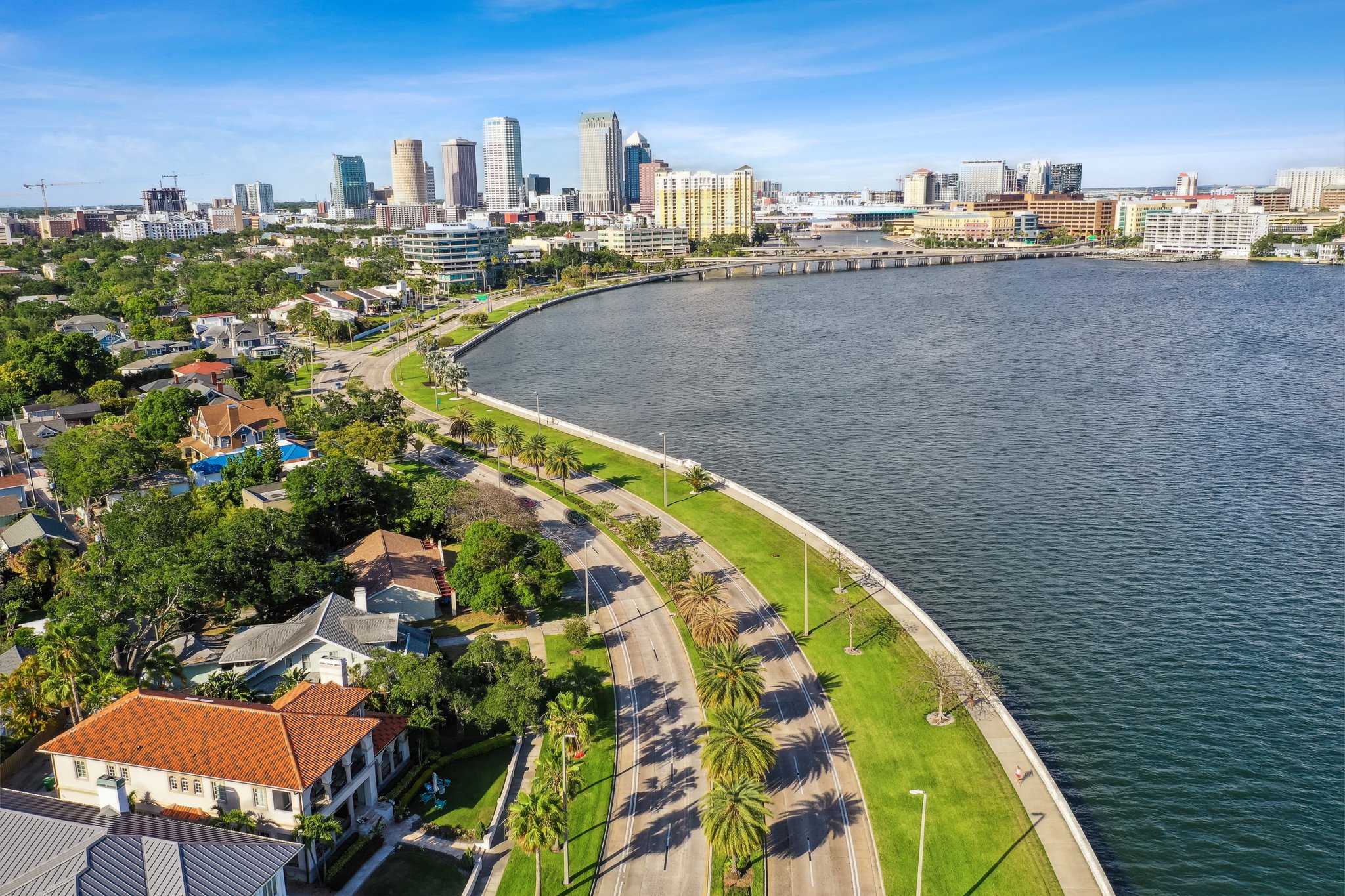
You know that feeling when you're house hunting and every listing has 15 offers before you can even schedule a showing? That's finally over in Tampa Bay.
After years of brutal inventory shortages that left buyers fighting over scraps, we're seeing the biggest supply surge in the region's recent history. The market has shifted dramatically in favor of buyers, with rising inventory up 14.8% year-over-year and a 4.3-month supply of homes.
This isn't just a seasonal blip. This is a fundamental reset that's changing how real estate works here.
The numbers that changed everything
Let's start with the data that matters. Tampa's housing supply has undergone a robust expansion, with active residential listings reaching a multi-year peak as of January 2026. We're talking about current inventory of 15,247 homes for sale in Tampa - a number that would've seemed impossible just two years ago.
But here's where it gets interesting. With homes now spending an average of 44 to 98 days on the market, the "take it or leave it" culture has faded. In its place, the 2026 Tampa real estate landscape features a resurgence of seller-funded perks designed to move inventory.
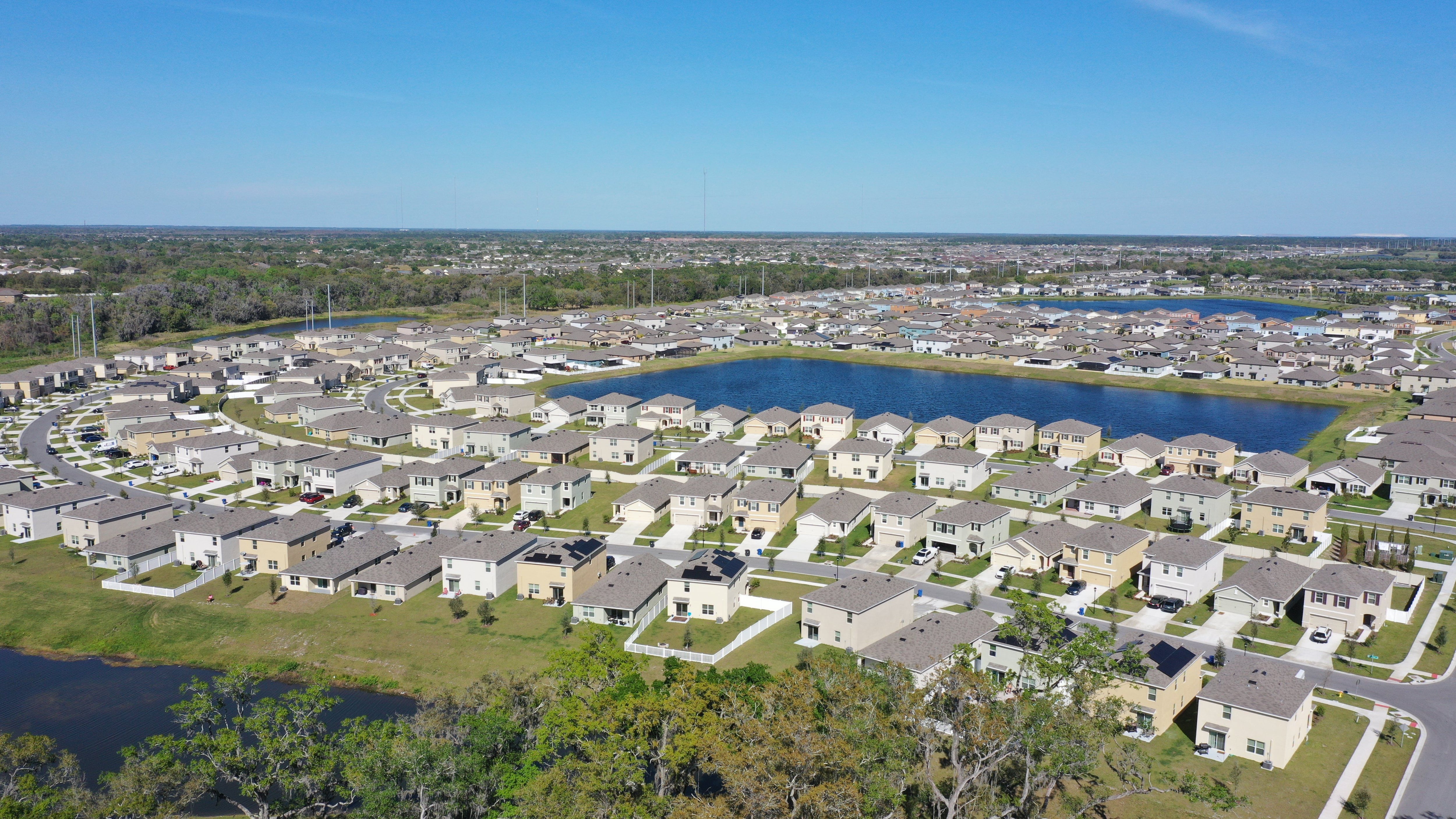
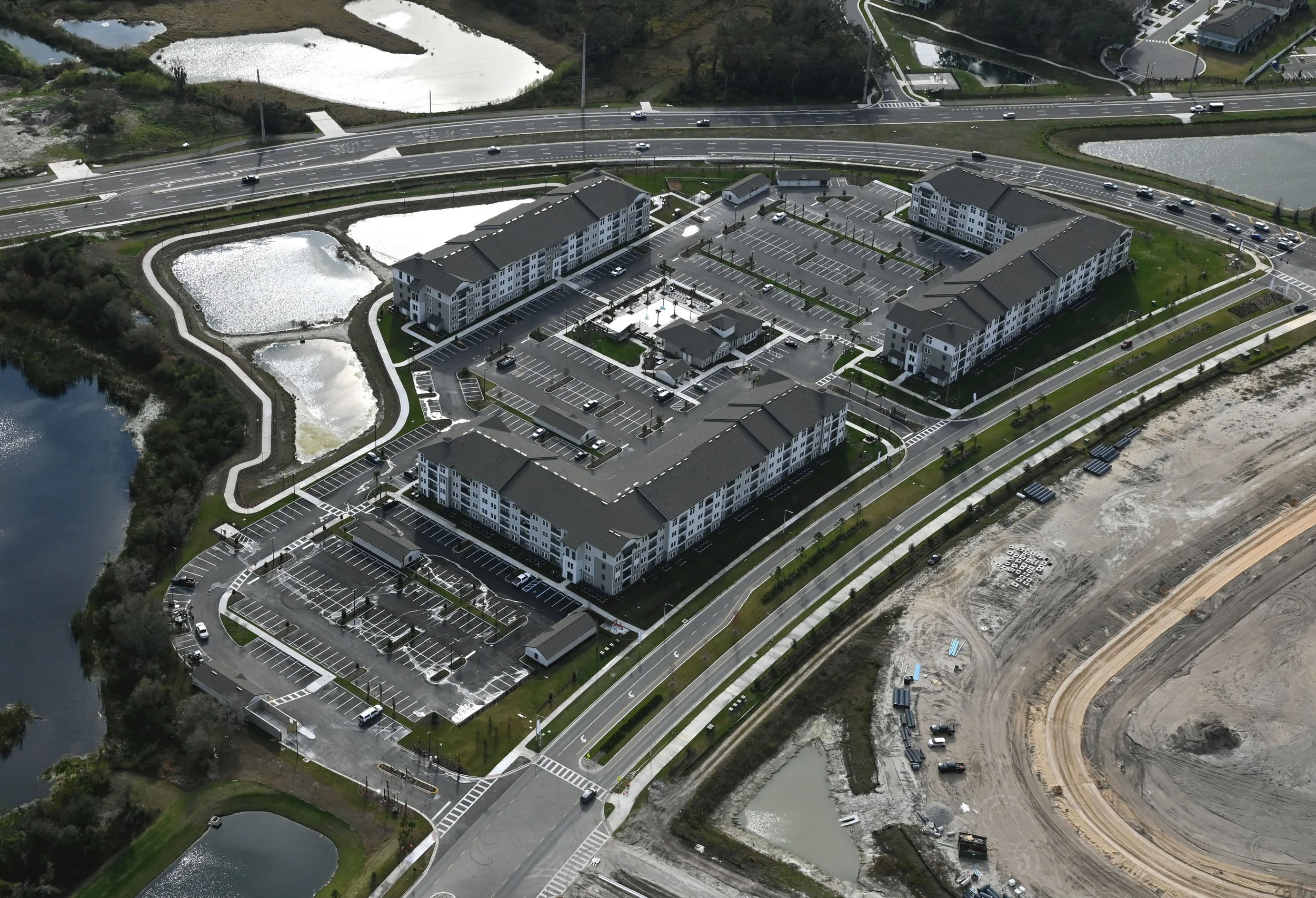
The flood of new supply isn't hitting every corner equally. In Manatee County, you have builder after builder throwing up all these houses, and there's not enough people to move down here, according to local real estate agents. Some builders got so aggressive during the boom that they're now sitting on spec homes in markets that can't absorb them.
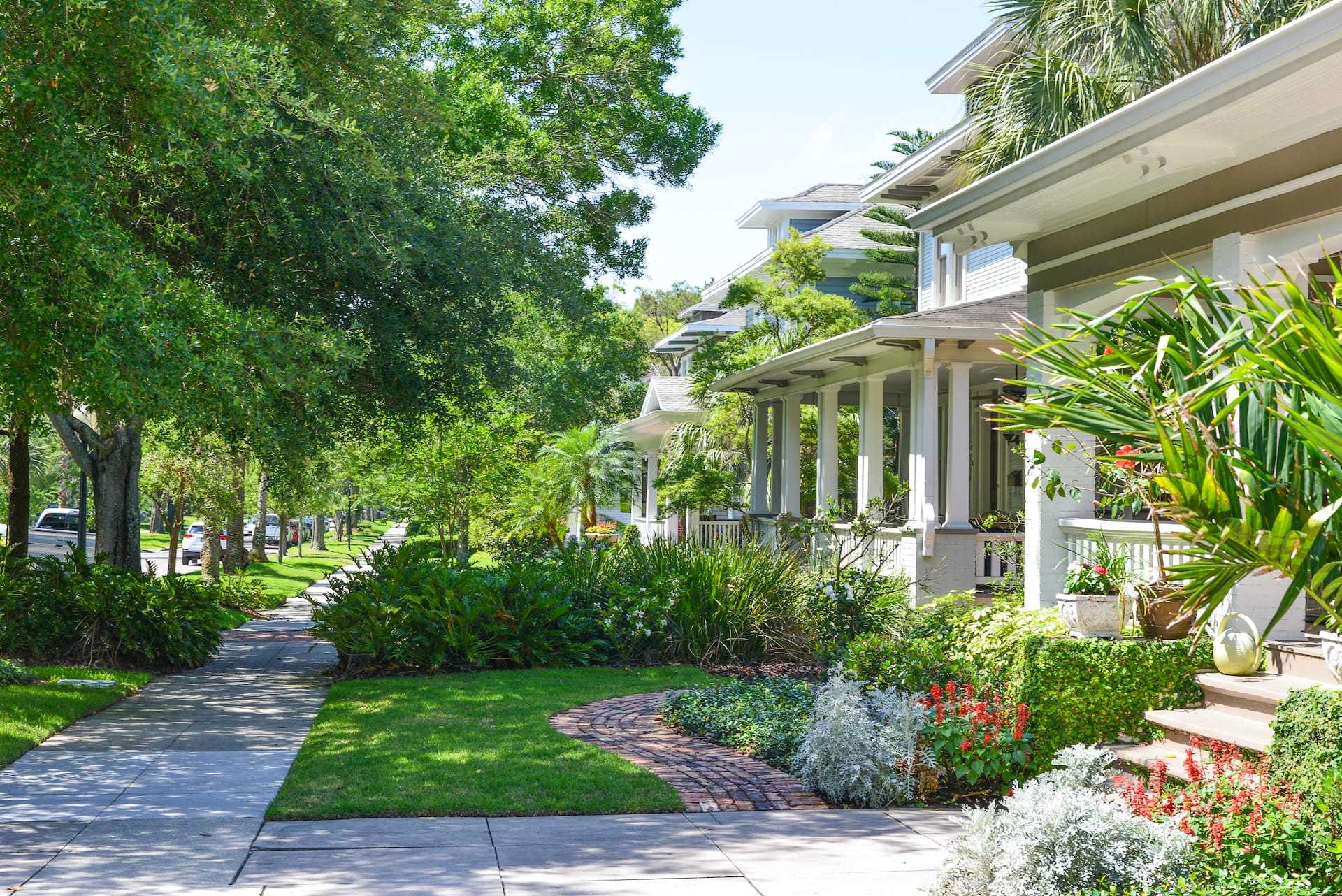
Focus your search on neighborhoods with natural supply constraints - places like South Tampa, Hyde Park, and Davis Islands where you can't just build endless subdivisions. These areas will hold value better even as overall inventory climbs.
What Zillow's "heat index" tells us about buyer power
Here's a metric that cuts through the noise: Zillow labeled the Tampa-St. Petersburg area as a buyer's market with a "heat index" of 41 out of a possible 100. For context, anything under 50 means buyers have the upper hand.
This shift is real and measurable. Housing analysts from Redfin ranked Tampa as one of the top buyer's markets in the United States. It was joined by several other Florida metros on that list, including Miami, West Palm Beach, Fort Lauderdale and Jacksonville.
The Tampa Bay area isn't just cooling off - it's leading a statewide correction. Home prices are expected to decline in parts of the Tampa Bay region this year, with local markets ranking among those projected to see some of the biggest drops in the country.
Where the inventory boom hits hardest
Not all property types are feeling this equally. Condos and townhomes have been hit harder than single-family homes, with prices dropping 12% compared to 1.5% for detached homes.
The condo market is particularly brutal right now. The condo market is firmly in buyer's market territory with over 13 months of supply. The condo market is clearly a buyer's market with approximately 13.2 months of supply. That's more than double the equilibrium point.
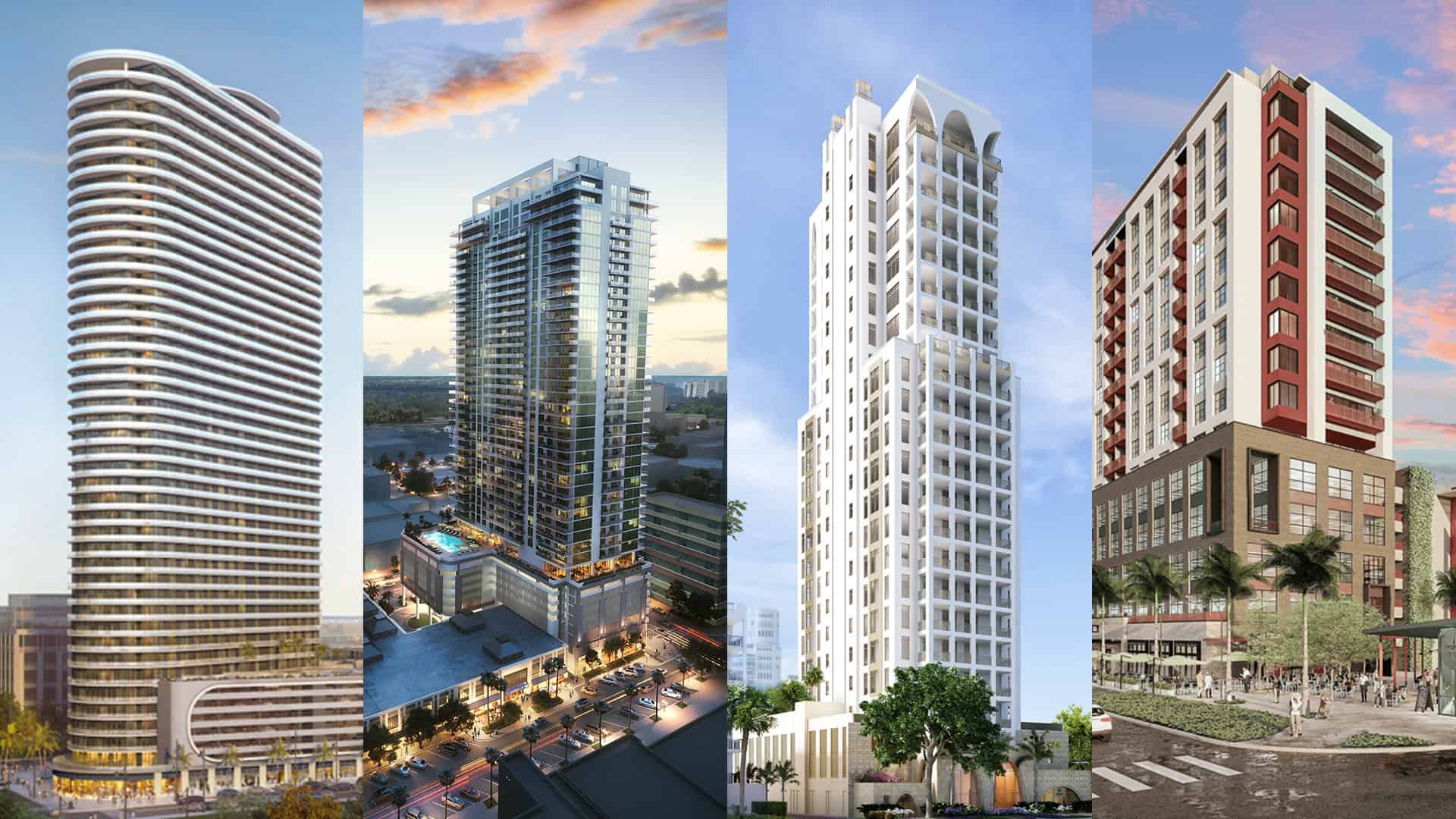
But even in the single-family space, we're seeing major shifts. With the delivery of new units in Water Street and Bayshore, buyers now have more options, pushing "Days on Market" to over 100. The Opportunity: Sellers are more willing to negotiate here than anywhere else in South Tampa.
"You can't generalize Tampa Bay with broad statistics. The market is 100% niche." - David Moyer, Smith & Associates Real Estate
The seller concession comeback
Remember when sellers wouldn't even look at offers with contingencies? Those days are over. It is now standard practice for buyers to negotiate financial offsets that significantly lower their initial costs. Common incentives currently appearing in Tampa contracts include: Mortgage Rate Buy-Downs: Sellers contributing funds to lower the buyer's initial interest rate, Closing Cost Assistance: Direct cash contributions from the seller toward the buyer's closing fees and taxes, Insurance & Repair Credits: Negotiated financial offsets for critical maintenance or storm-resiliency upgrades.
This is massive. For years, asking for seller concessions was like asking for a unicorn. Now it's becoming standard practice because sellers need to differentiate their listings in a crowded market.
The negotiation power has fundamentally shifted. In South Tampa's premium zip codes, the sale-to-list ratio has dipped to 95%, meaning buyers are successfully shaving 5% off the asking price.
How long will this buyer's market last?
The inventory surge isn't a temporary anomaly. Forecasts suggest the number of homes for sale could rise another 10% this year, which means even more markets should join the list of places where supply has rebounded.
But there are forces that could change this dynamic quickly. If mortgage rates dip below 6% (likely after Q1 2026), we'll see pent-up buyer demand unlock. Expect mini bidding wars to return in updated homes under $500K, especially in non-flood zones and areas with good school ratings.
The real wild card is the "golden handcuff" effect. Many homeowners have "golden handcuff" low-interest loans, so new listing supply may remain low. If rates drop enough to break those handcuffs, we could see demand spike while supply stays elevated.
My honest take on this market shift
After watching Tampa Bay's market for years, this inventory surge feels different. It's not panic selling or a crash - it's a normalization that was inevitable after the COVID housing frenzy.
The fundamentals supporting Tampa Bay remain strong. Since 2020, more than 270,000 new residents have chosen Tampa Bay, securing the region's place as one of America's top relocation markets. Migration continues from cities such as Chicago, New York, and Pittsburgh - but lifestyle and long-term value are now central motives.
What we're seeing is a market that's finally giving buyers options again. Buyers have more time to evaluate properties - and more of them to choose from. That's healthy.
But don't expect fire sale prices. Prices in well-located, updated homes are unlikely to fall significantly. The inventory surge is mostly hitting overpriced listings and properties with issues.
If you're thinking about buying, this window won't last forever. The combination of rising supply and stable demand creates opportunities that don't come around often. But you need to move strategically, not desperately.
Want to see how these inventory numbers affect your specific neighborhood? Let's talk. No pressure.








%2520(1).webp)





.svg)
.svg)