
.svg)


You've been locked out of Tampa Bay real estate for years. Every home you wanted went to someone else. Every offer you made got crushed by cash buyers willing to pay 20% over asking.
That era just ended.
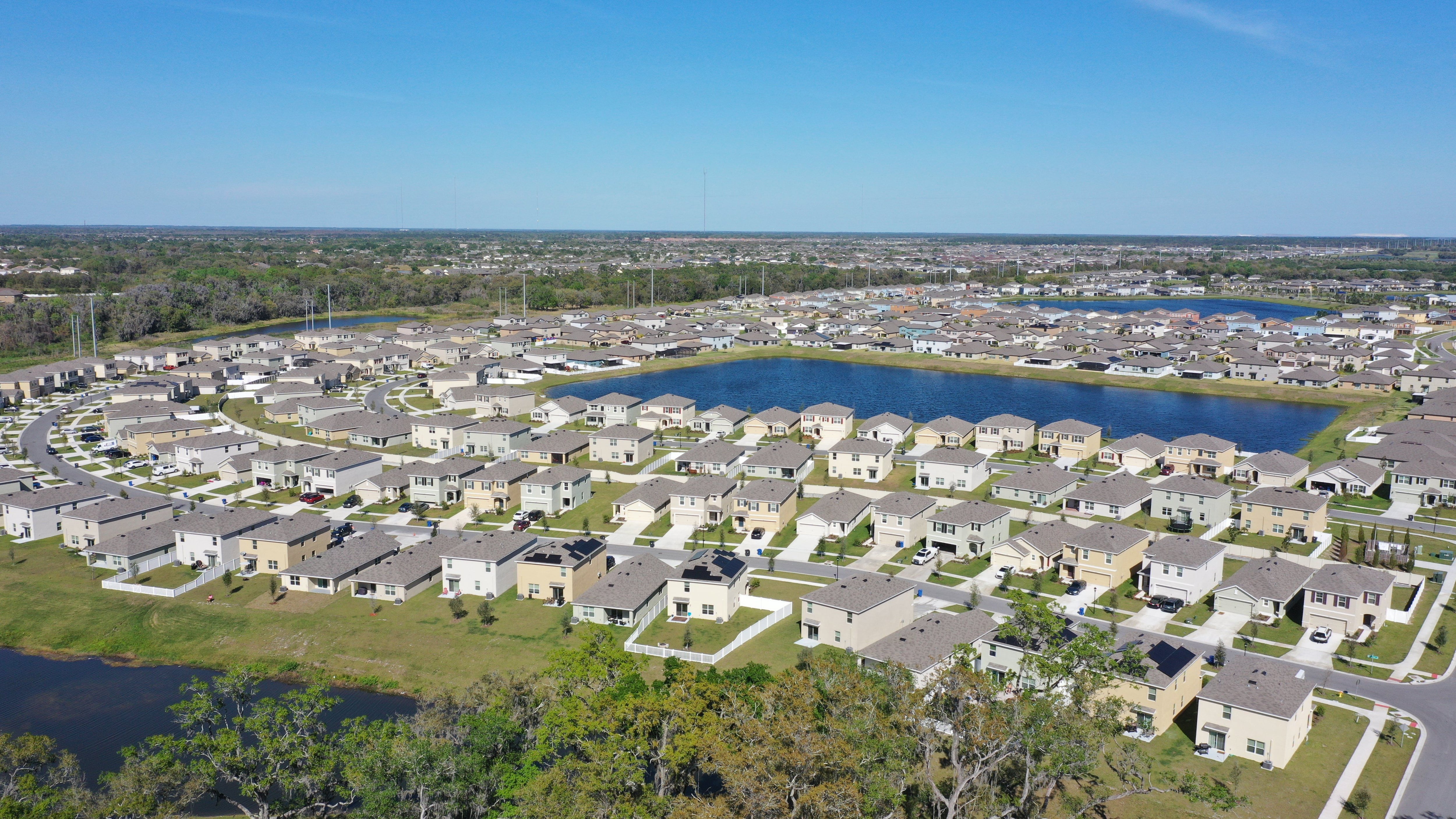
Tampa Bay now has 5.4 months of housing supply, well above the national average of 3.8 months and signaling a clear shift toward a buyer's market. Active listings are up roughly 18 percent compared to spring 2025, giving buyers more options than they've had in several years.
This isn't some minor adjustment. This is the first time since 2019 that buyers have real negotiating power in Tampa Bay. Here's what you need to know about this market transformation.
1. The inventory surge is rewriting Tampa Bay's playbook
Tampa's housing supply has undergone a robust expansion, with active residential listings reaching a multi-year peak as of January 2026 - this level of inventory indicates the market has moved toward a healthy equilibrium.
Let me put this in perspective. During the pandemic frenzy, Tampa Bay had less than one month of inventory. Homes were selling within hours. Now? Homes are spending an average of 44 to 98 days on the market.
Multiple sources have labeled the Tampa Bay Metro area as a buyer's real estate market heading into 2026. In spring 2025, housing analysts from Redfin ranked Tampa as one of the top buyer's markets in the United States.
The numbers tell the story:
- 5.4 months of supply: Above the national average and well into buyer's market territory
- 18% increase in active listings: More choices than buyers have seen since before the pandemic
- Extended days on market: Time to actually think about your decision instead of making panic offers
A balanced market typically has 4-6 months of supply. Anything above 6 months strongly favors buyers. Tampa Bay is right in the sweet spot where you have leverage but properties are still moving.
2. This isn't happening everywhere - Tampa Bay's correction runs deeper
Here's what most buyers don't realize: "The Tampa housing market" doesn't exist as a single thing. There are actually two very different markets happening right now.
Track 1 - Single-family homes: Prices are down only about 1.5% year over year in desirable locations. Inventory has increased, giving buyers more options and negotiating power, but we're not seeing distressed selling or panic. Homes in good school zones and established neighborhoods are still moving.
Track 2 - Condos and townhouses: This is where the pain is. Condo prices have dropped roughly 12% year over year in the Tampa MSA. Supply has ballooned to 13.2 months - a clear buyer's market.
The broader Florida context matters too. Miami has 9.7 months of supply. Orlando is declining. Jacksonville is down 2.8%. The entire state is recalibrating from the unsustainable price appreciation of 2021-2023.
"We're seeing a clear separation. Homes priced based on today's market move. Homes priced based on past peaks tend to sit." - Sonya Madden, MJM Group
Why Tampa Bay's correction hits different
Tampa's correction has been steeper than most, largely because of the condo oversupply and the outsized impact of Hurricane Helene on Pinellas County, where some flood-damaged homes are selling at 60-70% of pre-storm values.
But here's the thing - this creates opportunity. With condo and townhome pricing showing notable year-over-year softness in the Tampa-St. Petersburg-Clearwater MSA, some buyers who felt priced out may find re-entry points in 2026.
3. Sellers are finally making concessions (and you can capitalize)
Remember when sellers wouldn't even look at offers with inspection contingencies? Those days are over.
The 2026 Tampa real estate landscape features a resurgence of seller-funded perks designed to move inventory. It's now standard practice for buyers to negotiate financial offsets that significantly lower their initial costs.
Here's what you can actually negotiate now:
- Mortgage rate buydowns: Sellers contributing funds to lower the buyer's initial interest rate, resulting in a lower monthly payment.
- Closing cost assistance: Direct cash contributions from the seller toward the buyer's closing fees and taxes.
- Inspection repairs: Buyers in 2026 are successfully negotiating for inspection repairs, closing cost credits, and 2-1 interest rate buydowns.
- Price reductions: The sale-to-list ratio has dipped to 95%, meaning buyers are successfully shaving 5% off the asking price.
Sellers are more willing to negotiate, and buyers have more time to conduct due diligence. This is the market you've been waiting for.
4. Mortgage rates stabilized - and there are workarounds
Yes, mortgage rates are higher than the 3% days. But they've stabilized. The 30-year fixed rate has been moving in the 6.25 to 6.75 percent range through early 2026, which while elevated compared to historic lows, is proving manageable for buyers who plan to stay in their homes for five or more years.
More importantly, there are creative solutions now available:
- Adjustable-rate mortgages: Many buyers are exploring adjustable-rate mortgages (ARMs) and FHA loans to lower their initial monthly payments.
- First-time buyer programs: First-time buyers in particular are taking advantage of Florida Housing Finance Corporation programs that offer down payment assistance and below-market interest rates for qualifying households.
- Seller-funded rate buydowns: Sellers are willing to pay points to reduce your rate
5. The sweet spot neighborhoods where inventory surge creates opportunity
Not all Tampa Bay neighborhoods are created equal in this market shift. Here's where the inventory increase is creating the best opportunities:
Pasco County communities: Pasco County remains the region's most affordable major market, with a median near $345,000, making it a popular choice for first-time buyers priced out of closer-in neighborhoods.
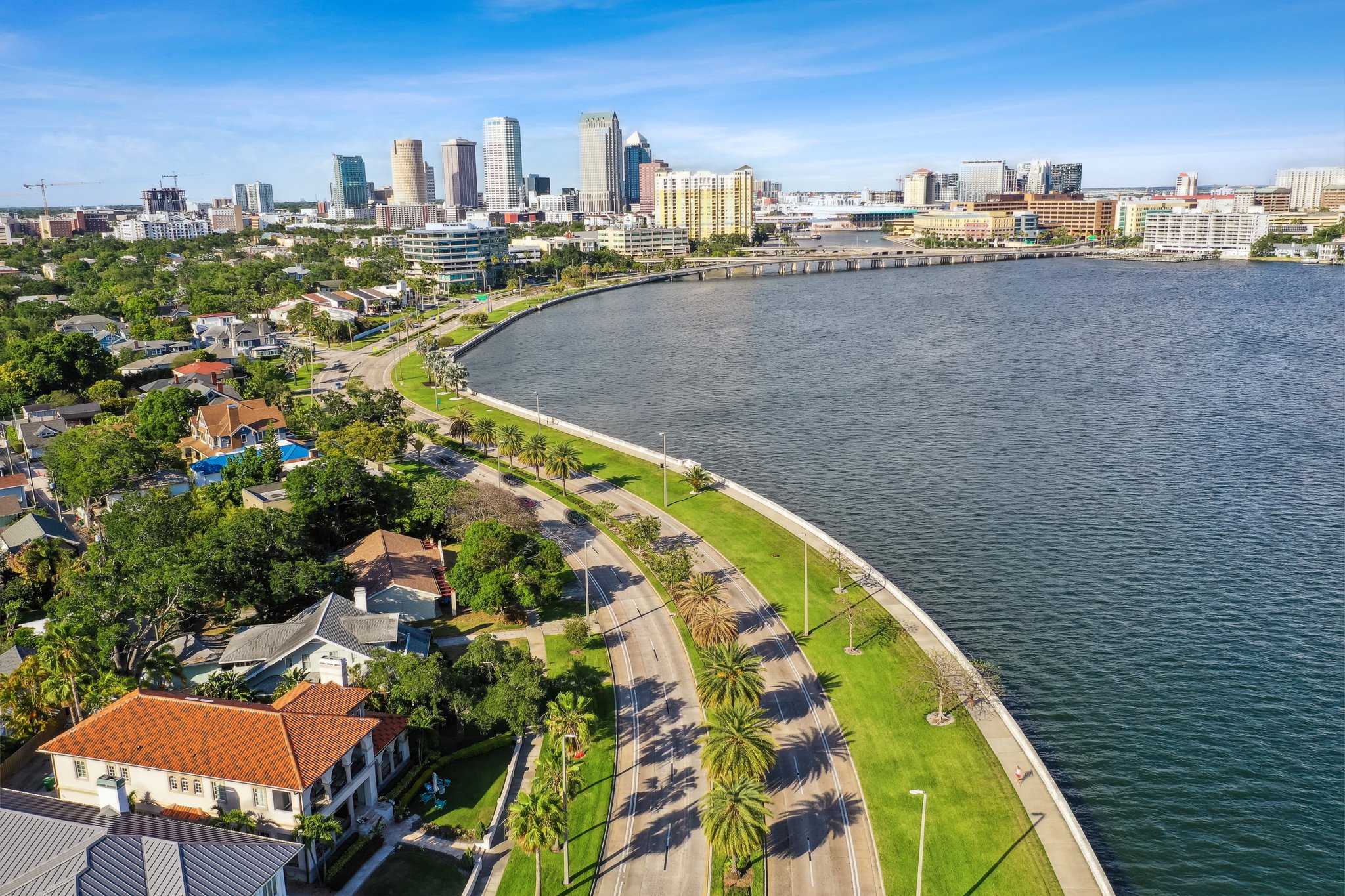
South Tampa micro-markets: For the first time in years, inventory levels in South Tampa have climbed to approximately 3.5 months of supply. "Aspirational pricing" is now met with silence, leading to a 34% increase in price drops across the zip code.
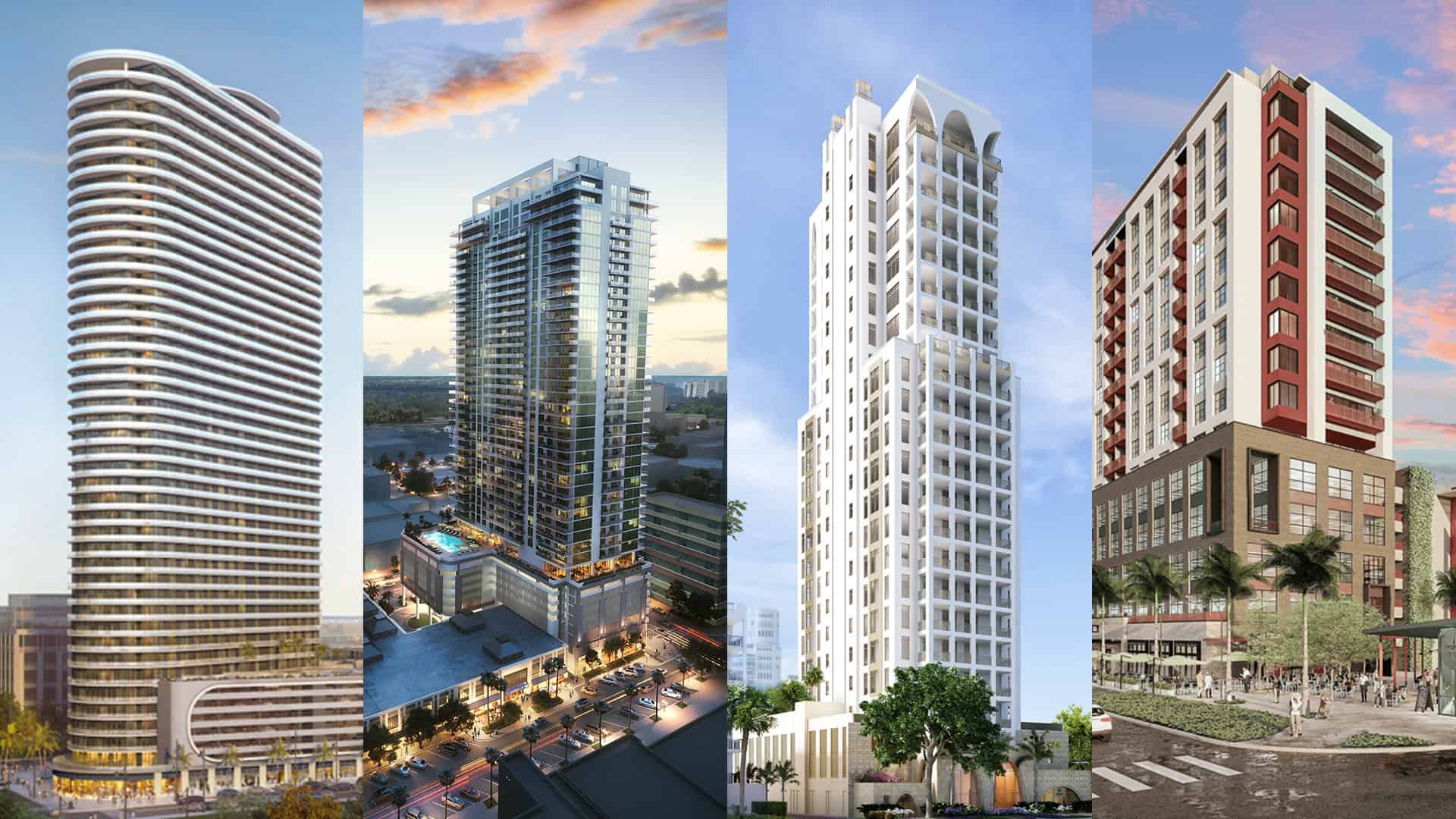
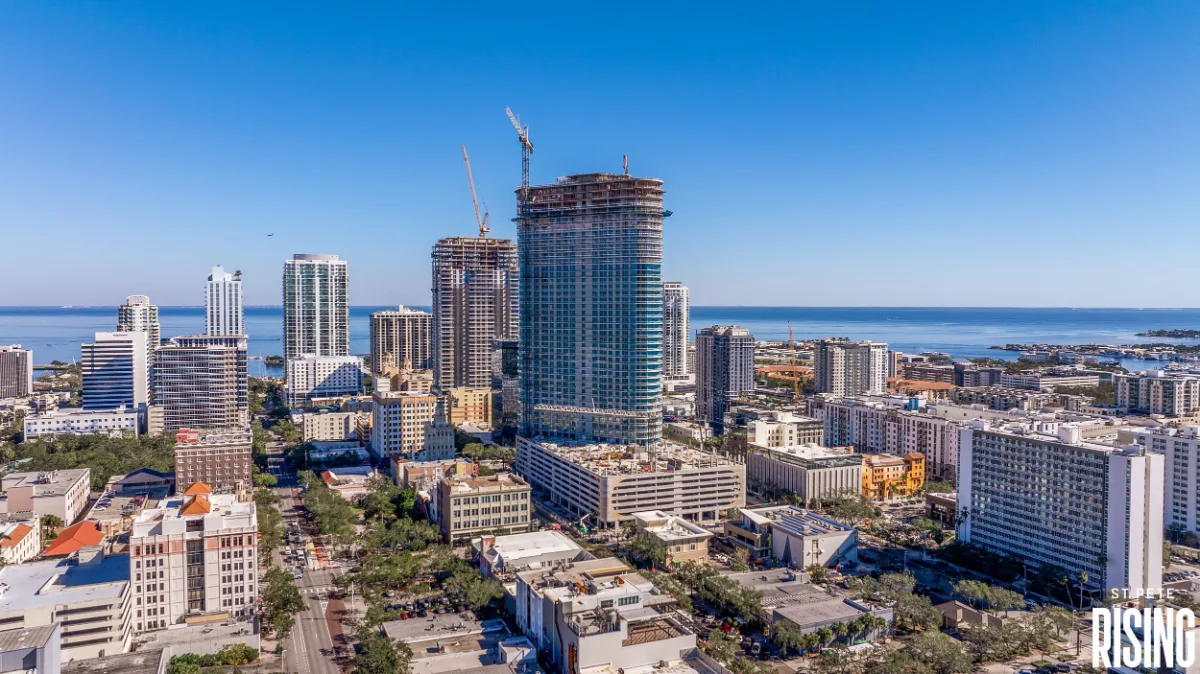
Condo opportunities: Much of the inventory consists of high-end condos and townhomes. With the delivery of new units in Water Street and Bayshore, buyers now have more options, pushing "Days on Market" to over 100.
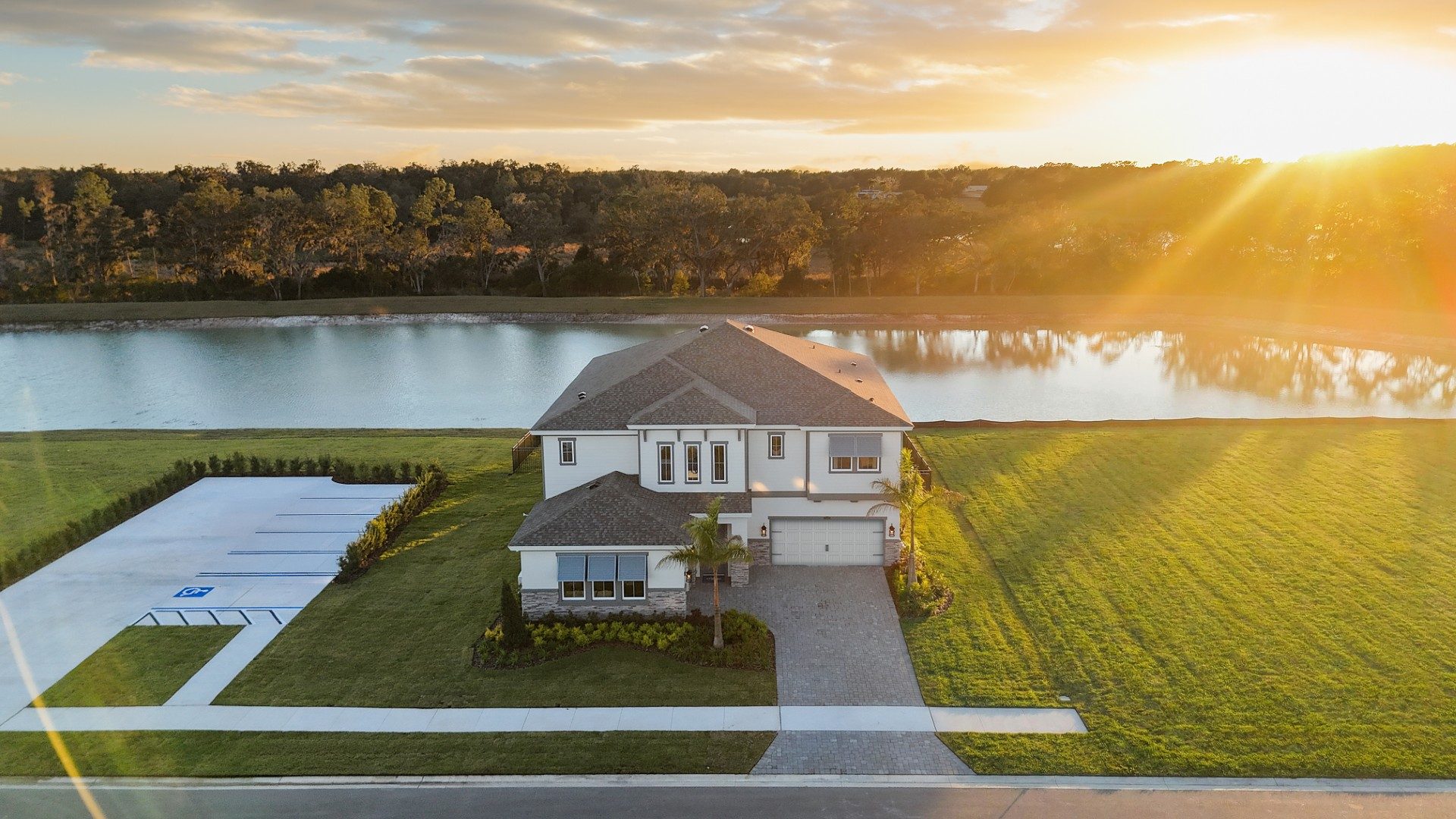
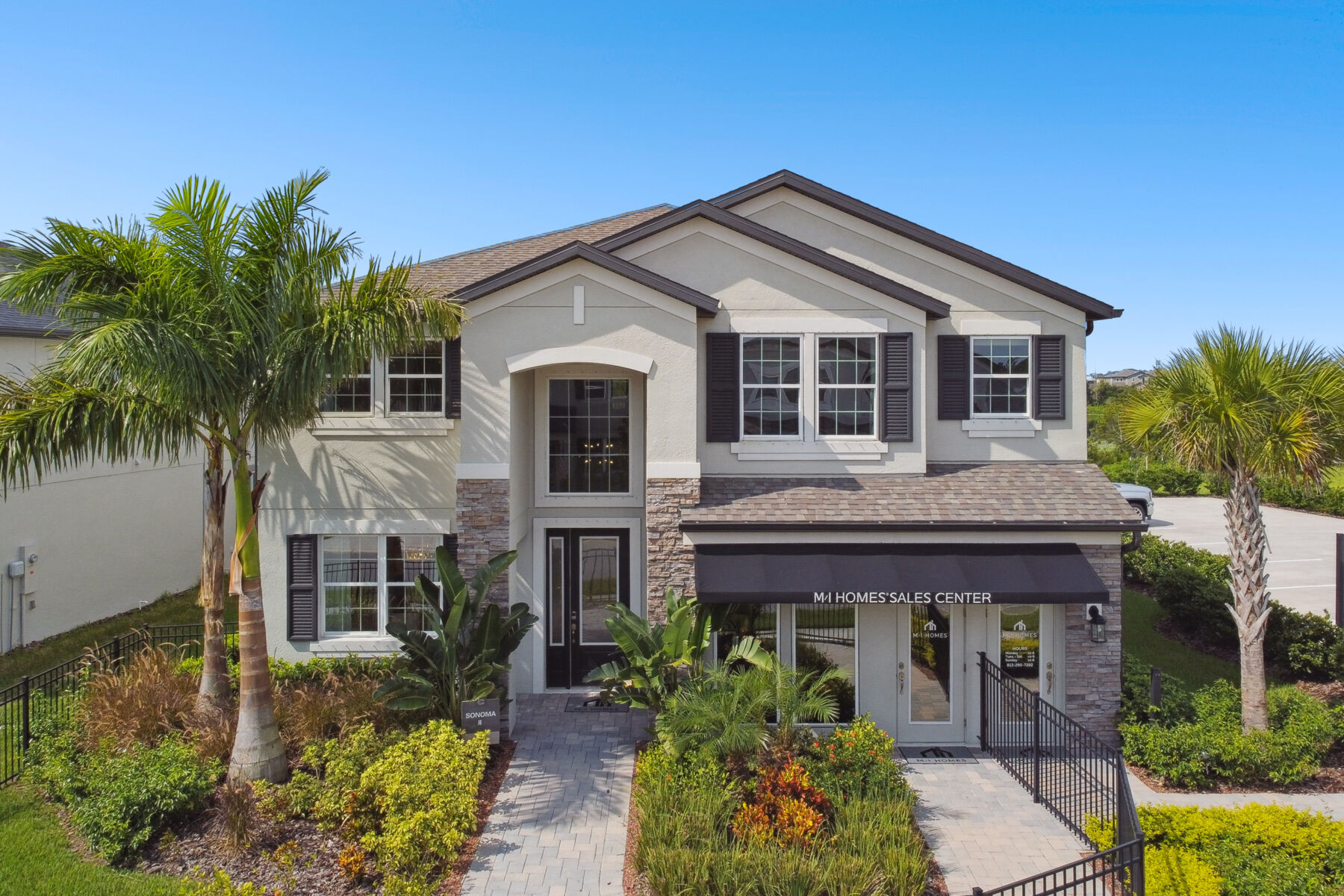
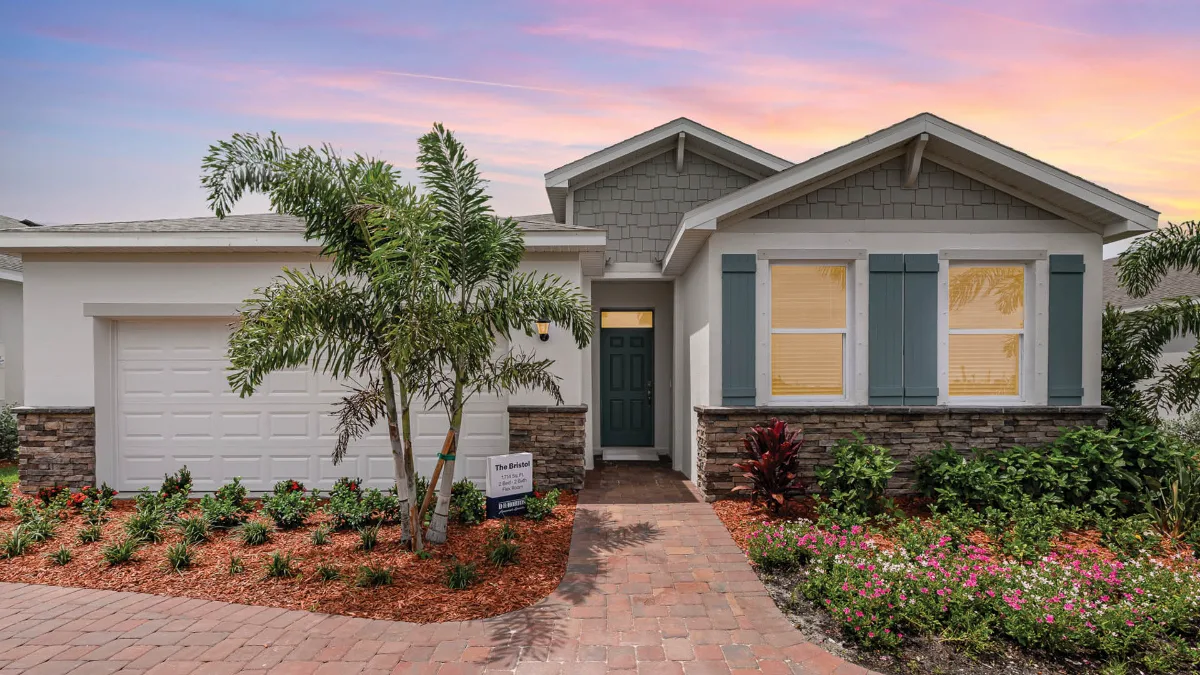
New construction incentives: Communities like Watergrass, Epperson, and Connerton continue to deliver new homes that absorb demand from buyers priced out of resale markets in South Tampa and Westchase. Builders are also offering more incentives in 2026, including mortgage rate buydowns and closing cost assistance.
Focus on neighborhoods where inventory has increased but fundamentals remain strong. Avoid areas with obvious red flags like flood damage or oversupply of similar units.
The honest take: This window won't last forever
Look, I'm not going to sugarcoat this. Tampa Bay is still expensive. Even though Tampa Bay home prices declined over the past year, they're still 40% to 50% higher than before the pandemic. When combined with higher insurance costs, Tampa is no longer the affordable coastal market it once was.
But here's what's different now: you have choices and negotiating power. If you're a buyer, this is the most negotiating power you've had in Tampa Bay since before the pandemic. More inventory, longer days on market, and sellers willing to make concessions.
The fundamentals supporting Tampa Bay remain strong. The population engine is intact. Tampa Bay is projected to add 397,000-547,000 new residents through 2030. Tampa added 15,500 private-sector jobs in May 2025 alone. Unemployment sits at 3.5%.
What we're seeing is a normalization, not a collapse. Prices overshot during the pandemic. They're correcting to sustainable levels. That's healthy, even if it doesn't feel great if you bought in 2022.
This inventory surge gives you the first real opportunity in seven years to buy a Tampa Bay home on your terms, not the seller's. The question is whether you'll take advantage of it.
Want to see what's actually available in your target neighborhoods? Let's talk. No pressure.





%2520(1).webp)










.svg)
.svg)