
.svg)


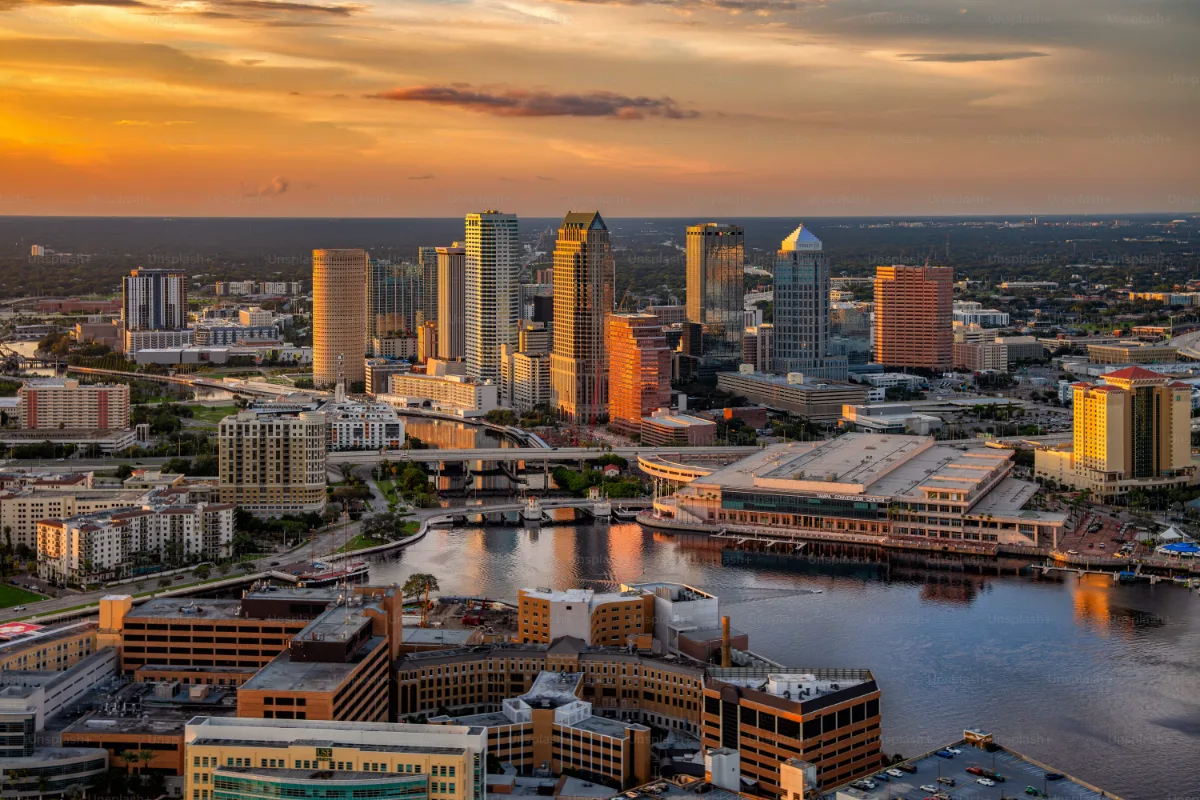
If you've been refreshing Zillow every morning hoping prices would come down - congratulations. They did. But if you're a seller still anchored to what your neighbor got in 2022, we need to talk.
The Tampa Bay housing market has officially shifted. Not crashed. Not collapsed. Shifted. And the difference between those words matters a lot when you're trying to make a decision worth hundreds of thousands of dollars.
I spend more time in spreadsheets than most agents spend on the phone. So let me walk you through what's actually happening - no spin, no sugar-coating - just the data and what it means for you.
The headline numbers tell a clear story
Let's start with the big picture. The Zillow Home Value Index for the Tampa-St. Petersburg-Clearwater metro sits at $376,278 as of early 2026 - down 4.2% over the past year. That's not a typo. After years of relentless appreciation, metro-wide values have been declining since summer 2024.
But here's where it gets interesting. Redfin tells a slightly different story at the city level. The median sale price in Tampa hit $478,000 in February 2026 - up 4.9% year-over-year. How can both be true? Because Tampa Bay isn't one market. It's dozens of micro-markets, and they're moving in different directions.
South Tampa and Westchase are still commanding premium prices. Davis Islands and Hyde Park remain competitive for updated homes. Meanwhile, condos and townhouses across the metro are getting hammered - statewide condo prices dropped roughly 12% compared to just 1.5% for single-family detached homes.
The single most important thing I can tell you right now: the market you're in depends entirely on your property type, your neighborhood, and your price point. Anyone giving you a blanket answer about "the Tampa market" isn't paying attention.
Inventory is the story behind the story
The real shift isn't about prices - it's about power. And power in real estate follows inventory.
Tampa Bay's supply has grown dramatically. We're looking at roughly 4.2 to 5.4 months of supply depending on which data source you trust and which sub-market you're tracking. For context, 4-6 months is considered a balanced market. We spent most of 2021-2023 under 2 months. That was insanity. This is normal.
Homes are sitting longer too. The average Tampa listing now spends 67 days on market - up from 54 days a year ago. In some pockets of St. Pete and Clearwater, you're seeing 75-85 days. That's a massive shift from the 7-day bidding war era.
And here's the stat that should make every seller pay attention: 67.36% of Tampa listings have taken price reductions. Up from about 60% a year ago. Two out of three sellers are overpricing and having to come down. Only 12.64% of homes sold above asking price, and the overall sale-to-list ratio has dropped to 95.5%.
Translation? Buyers are in control for the first time in years.
What's driving this shift
Three forces are converging on Tampa Bay right now, and they're all pulling in the same direction.
Insurance costs are a second mortgage. Florida homeowners pay an average of $5,376 per year for $300K in dwelling coverage - roughly 2.5 times the national average. In coastal Pinellas County with an older roof, you might be looking at $7,000-$19,000 annually. Buyers are doing the math on total carrying costs, and some are walking away.
Interest rates haven't cooperated. The 30-year fixed is sitting around 6.65% as of March 2026. That's down from the 7%+ peaks but still double what pandemic-era buyers locked in. A $400,000 mortgage at 6.65% costs about $680 more per month than the same loan at 3%. That's $8,160 a year in extra carrying cost.
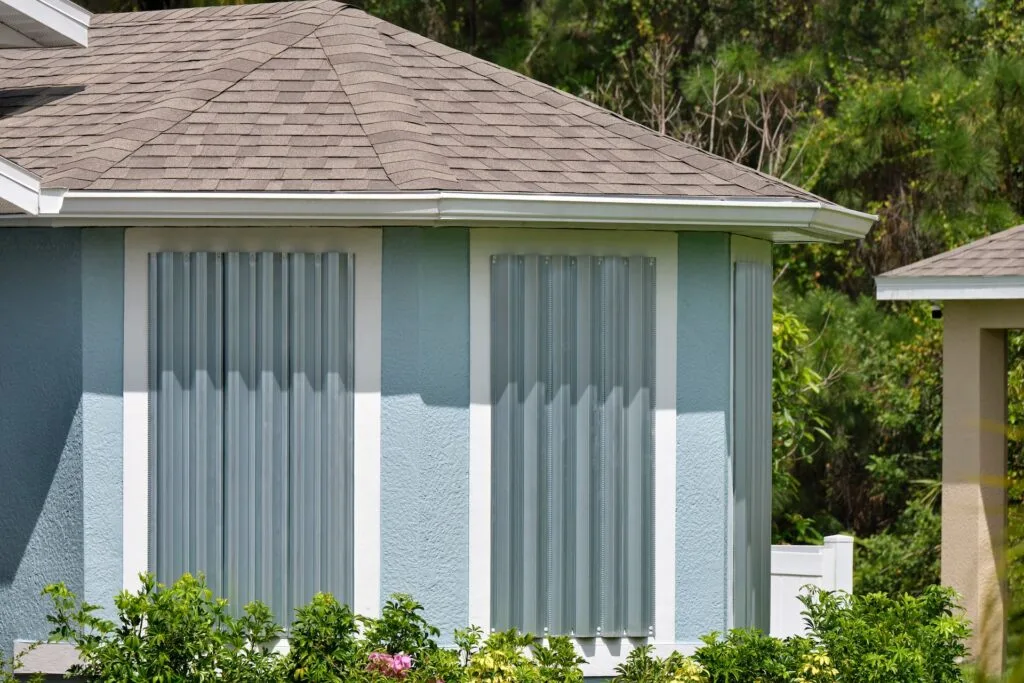
Hurricane anxiety is real. Helene and Milton in 2024 weren't just storms - they were wake-up calls. Helene's storm surge hit 7.18 feet in Tampa. Milton dumped 16 inches of rain on Hillsborough County. Combined residential damage across our two counties exceeded $5 billion. Some buyers - especially relocators - are second-guessing flood-zone properties entirely.
The condo situation is its own crisis
If you own a condo in Tampa Bay, you need separate analysis because the single-family and condo markets have completely diverged.
Statewide, condo/townhouse inventory is at 13.2 months of supply. That's deep buyer's market territory. Condo prices are down 2.4% statewide, and in some Tampa Bay buildings - particularly older ones facing structural reserve requirements under Florida's post-Surfside laws - the picture is much worse.
New reserve funding mandates (SB 4-D) require condo associations to have structural integrity reserve studies completed and begin fully funding reserves. For older buildings, this means special assessments that can run $10,000-$50,000+ per unit. That cost is getting baked into resale prices, and buyers know it.
If you're shopping for a condo, ask two questions before anything else: What's the reserve funding status? And has the structural integrity reserve study been completed?
Where things are heading
Predictions in real estate are a fool's game, but I'll give you the range of credible forecasts.
The optimistic case (Zillow): Home values rebound 1.3% from December 2025 to December 2026. The bottom is in, and we're starting a slow climb back.
The pessimistic case (Realtor.com): Tampa Bay prices fall another 3.6% through 2026 before stabilizing.
The realistic range: Somewhere between -3% and +3%, with enormous variation by sub-market. Updated single-family homes in strong school zones and non-flood areas will hold or gain value. Condos, flood-zone properties, and homes with deferred maintenance will continue to face headwinds.
One wildcard: if mortgage rates drop below 6%, there's significant pent-up demand waiting to enter the market. Many would-be buyers have been sitting on the sidelines. A rate drop could quickly shift the balance back toward sellers in desirable neighborhoods.
What this means for you right now
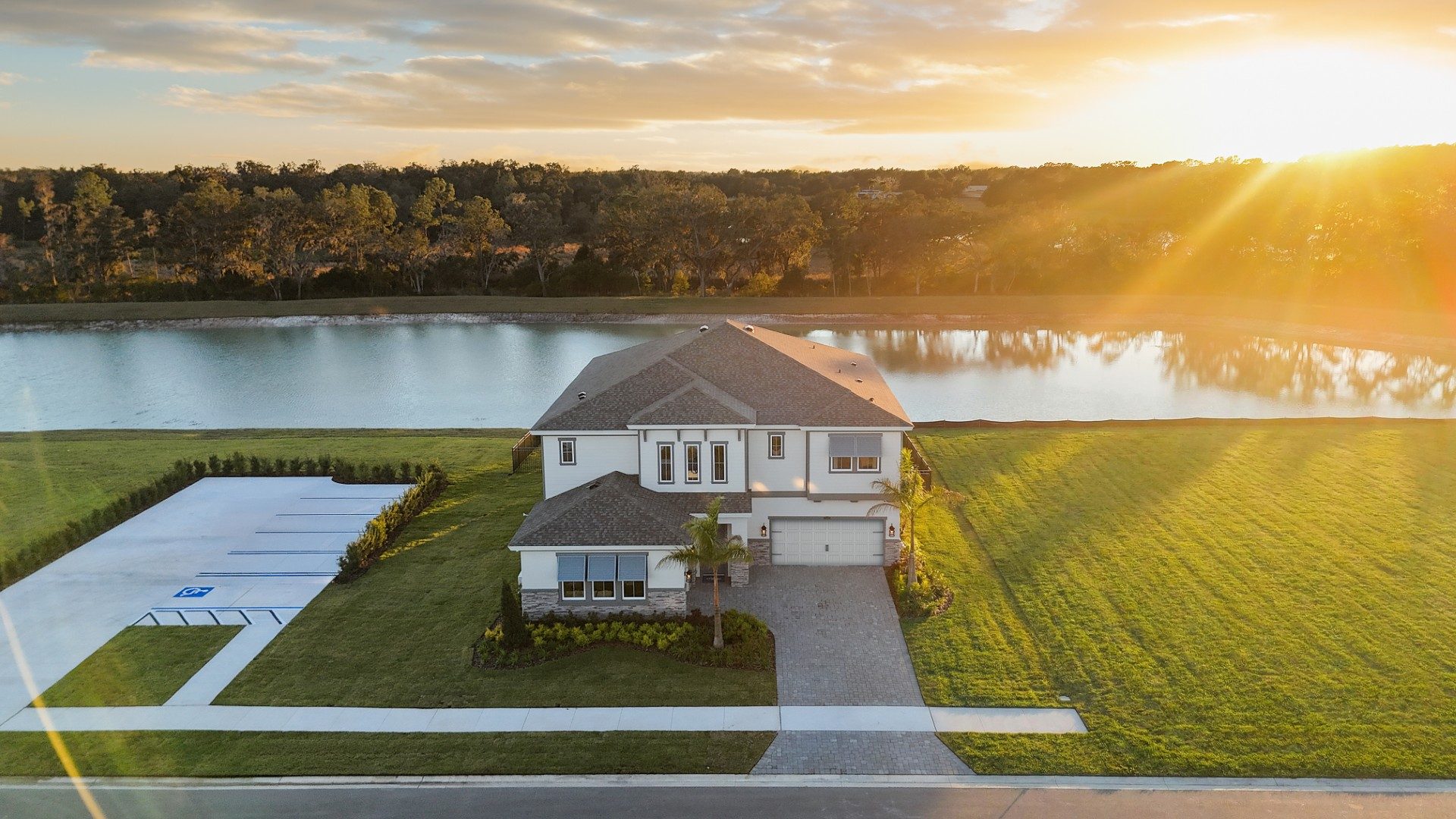
If you're buying: You have leverage you haven't had since before the pandemic. Negotiate hard. Ask for rate buydowns, closing cost credits, and repair credits. Don't rush - but don't overthink it either. If you find the right home at the right price in the right neighborhood, the market conditions are genuinely favorable.
If you're selling: Price it right from day one. The data is screaming this message. Homes that are priced correctly still sell - the median time for competitively priced homes is well under 30 days. But overpriced homes join the 67% club, sit for months, and eventually sell for less than if you'd priced correctly from the start.
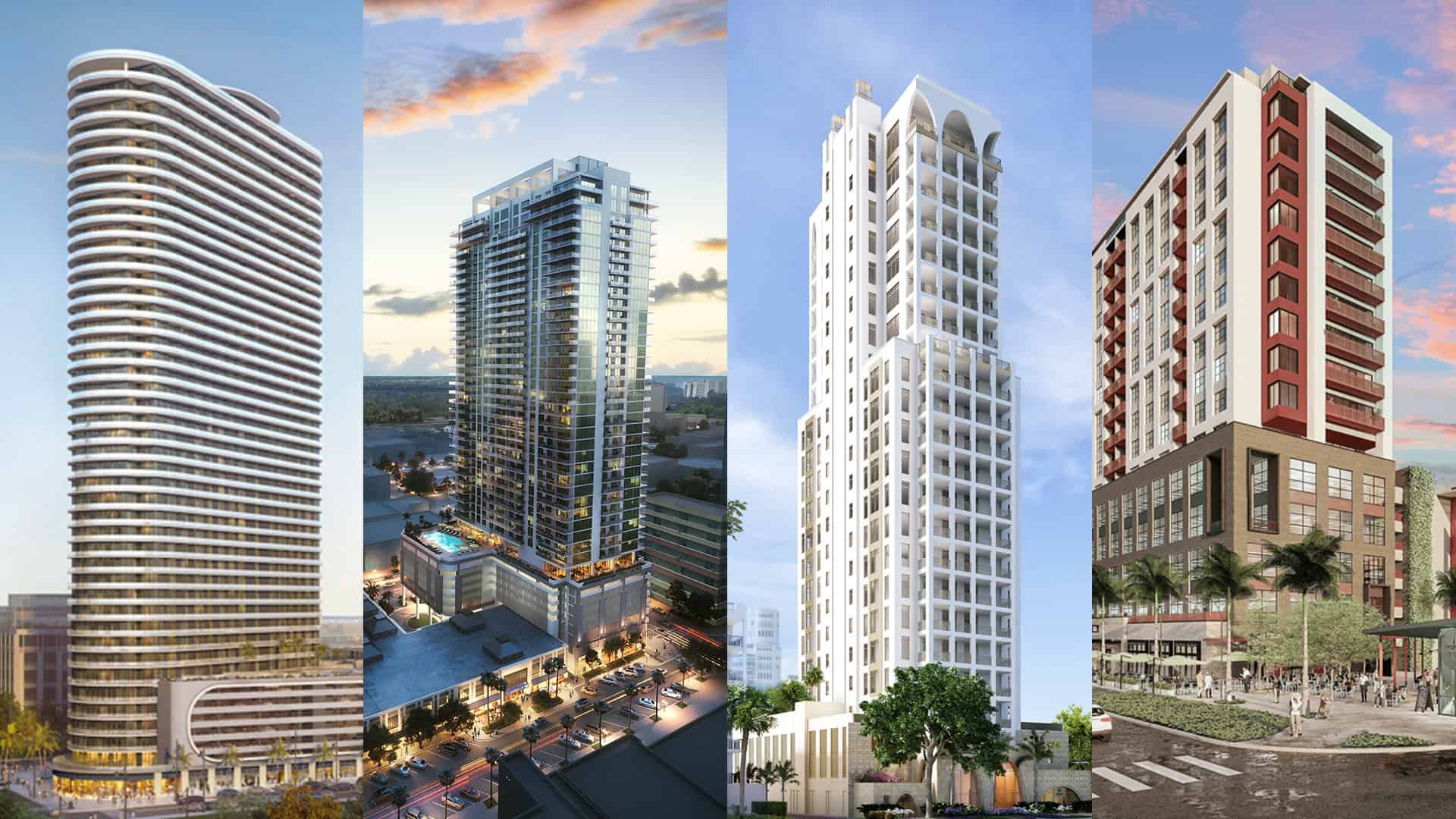
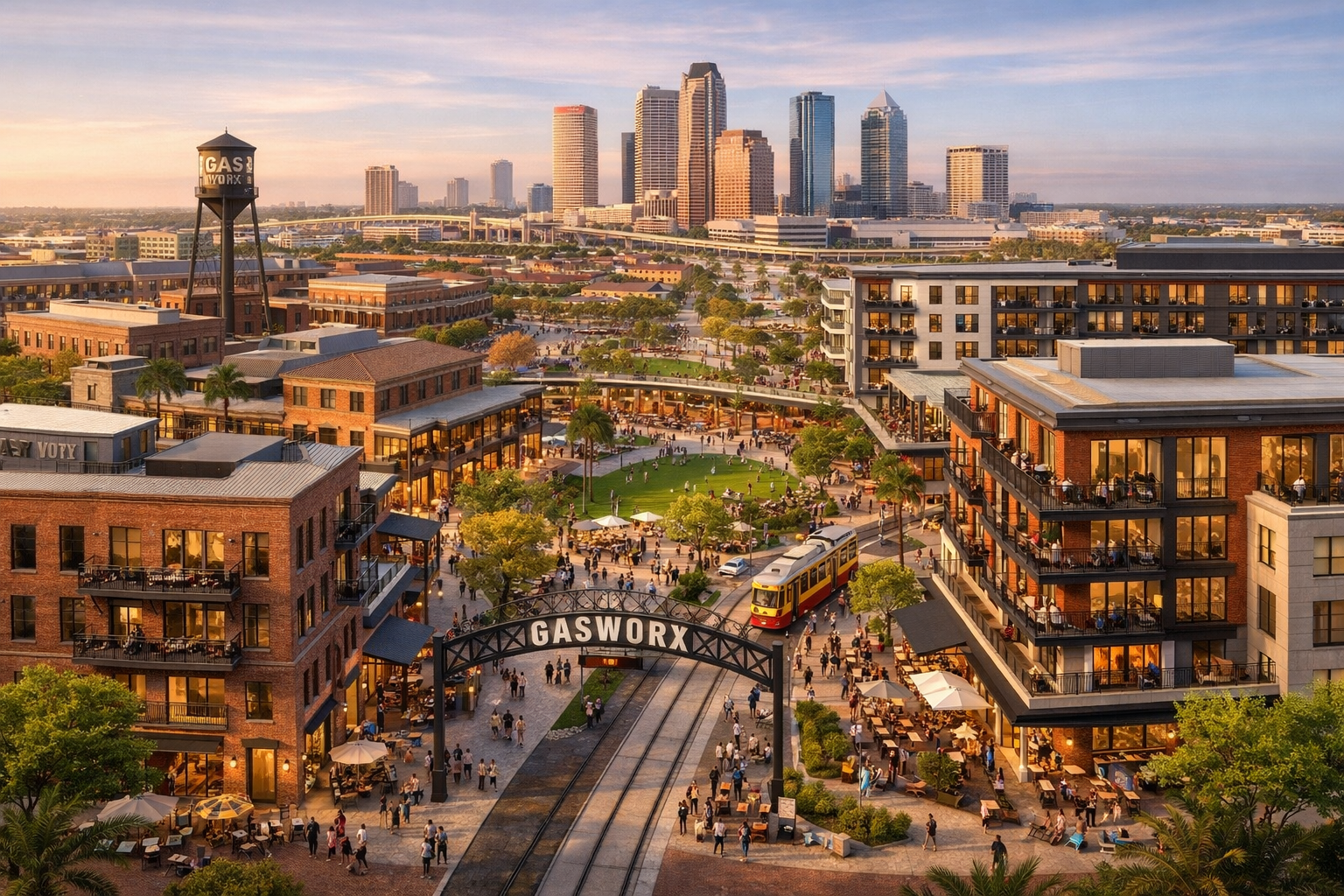
If you're waiting: Nobody has a crystal ball. But here's what I know - inventory is high, buyers have negotiating power, and the major development projects coming online (Gasworx, Water Street Tampa, Midtown Tampa) will only add more supply. Waiting for a "crash" that may never come could mean missing the opportunity that's right in front of you.
The market didn't crash. It corrected. And corrections create opportunities for people who pay attention to the data instead of the headlines.





%2520(1).webp)








.svg)
.svg)