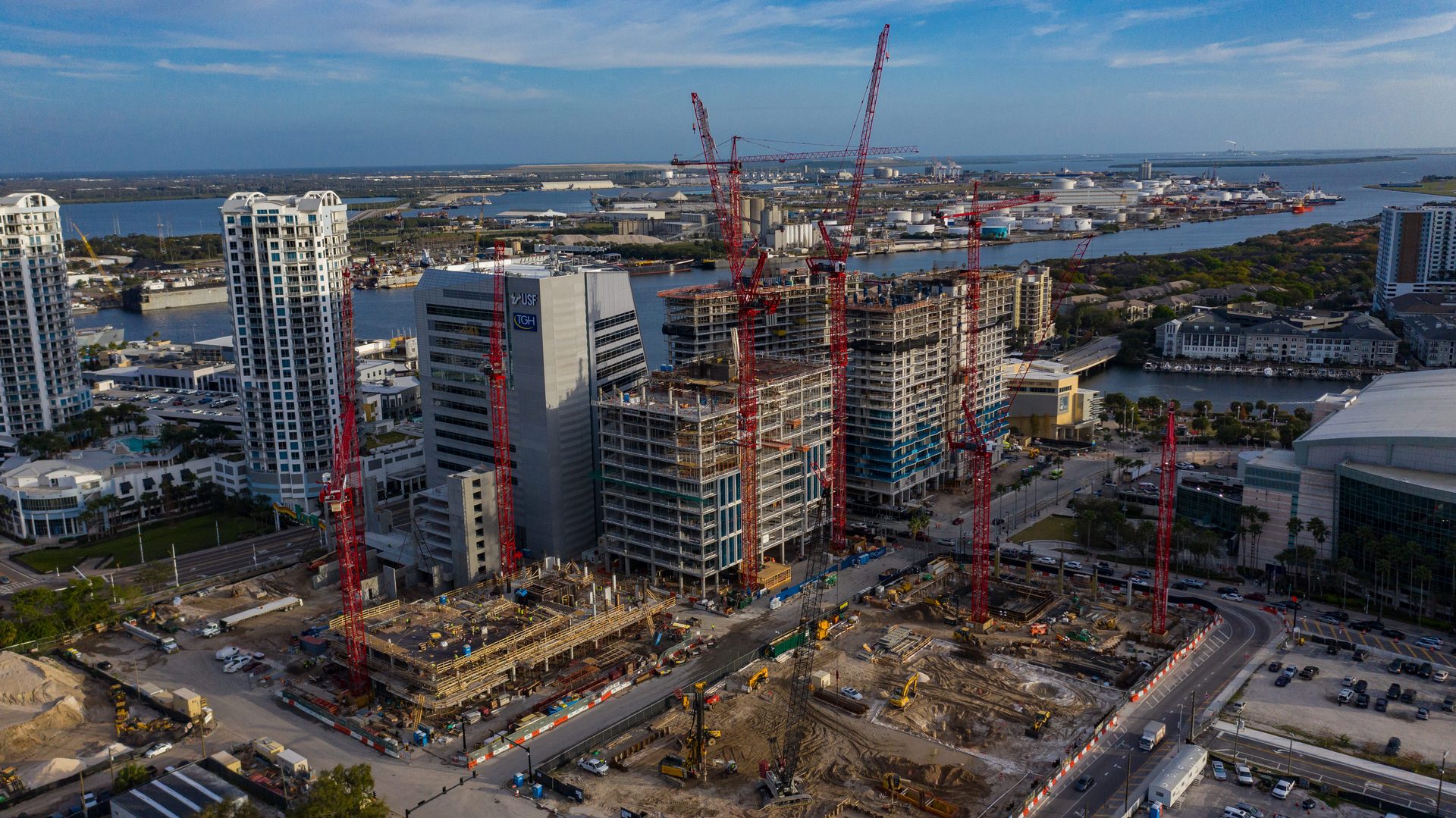
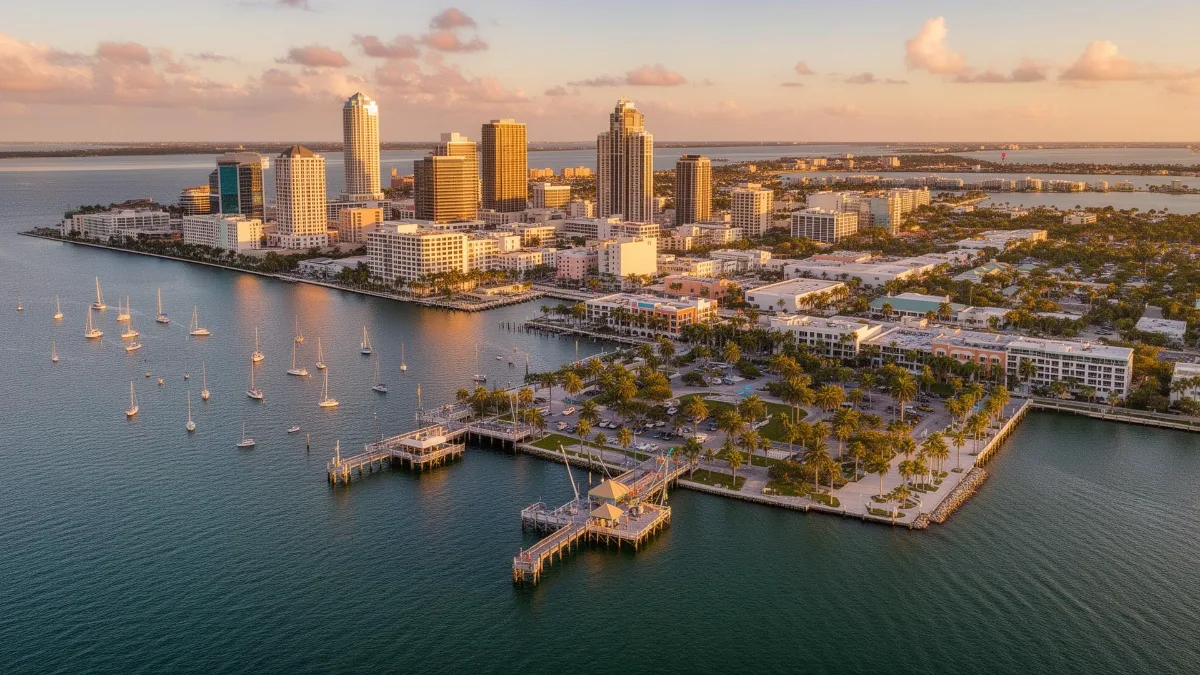
Hurricane Helene's storm surge hit 7.18 feet in Tampa. Two weeks later, Milton dumped 16 inches of rain on Hillsborough County. Together, they caused an estimated $5 billion in residential damage across Hillsborough and Pinellas counties.
If you're buying a home in Tampa Bay in 2026, flood risk isn't theoretical anymore. It's a line item in your budget, a factor in your home value, and - for a lot of people - the single biggest variable they didn't see coming.
I'm not going to tell you to avoid flood zones. Some of the best neighborhoods in Tampa Bay are in them. Hyde Park. Davis Islands. Shore Acres. The barrier islands. But I am going to tell you exactly what you're getting into, what it costs, and how to make a smart decision with your eyes open.
Flood zone decoder: what the letters actually mean
FEMA assigns flood zone designations that directly impact your insurance costs and your lender's requirements. Here's what matters:
Zone AE (high risk): FEMA has determined the base flood elevation in this area. This is the most common high-risk zone in inland Tampa Bay - you'll find it along the Hillsborough River, in parts of Seminole Heights, South Tampa, and throughout low-lying areas near the bay. If you have a mortgage on a property in Zone AE, flood insurance is mandatory.
Zone VE (high risk coastal): Same as AE but with additional wave action risk. This covers barrier islands - St. Pete Beach, Treasure Island, Madeira Beach, Clearwater Beach. The highest premiums and strictest building codes. Construction must meet elevated foundation requirements.
Zone X (shaded): Moderate risk - the 500-year flood zone. Flood insurance isn't required by lenders but is strongly recommended. Many of these areas flooded during Helene and Milton despite their "moderate" classification.
Zone X (unshaded): Minimal risk. No flood insurance required. These areas are increasingly premium in Tampa Bay's market because buyers are actively seeking them out post-hurricane.
Here's the stat that should make everyone pay attention: over 40% of flood insurance claims nationally come from outside high-risk zones. Just because your home is in Zone X doesn't mean it won't flood. It means FEMA's models say the probability is lower.
After Helene, FEMA is proposing updated flood maps for parts of Pinellas County that would put neighborhoods into flood zones for the first time. If you're buying anywhere near the coast, check not just the current maps but the proposed revisions.
Where the risk is highest in Tampa Bay
Let me be specific, because generic advice doesn't help anyone.
South Tampa (Hyde Park, Palma Ceia, Bayshore Boulevard): Storm surge risk from Hillsborough Bay plus river flooding from the Hillsborough River. Some of the most expensive real estate in Tampa Bay sits in Zone AE. Beautiful homes, real flood risk.
Davis Islands: An island. In a bay. In hurricane country. Zone AE throughout. Prices reflect the lifestyle premium, but so should your insurance budget.
Shore Acres and NE St. Pete waterfront: Helene's storm surge devastated this area. Pinellas County reported 807 homes destroyed and over 22,000 with major damage from Helene alone. Many properties here are in Zone AE or VE.
St. Pete Beach, Treasure Island, Madeira Beach: Zone VE barrier island territory. The highest flood insurance premiums in the region. Belleair Shore has the highest average rates of any Florida city at over $3,600/year for flood alone.
Parts of Clearwater: FEMA is proposing updated maps that would add certain Clearwater neighborhoods to flood zones for the first time. This is a developing situation worth monitoring if you're buying there.
Carrollwood, Westchase, New Tampa: Generally Zone X (minimal risk) with some pockets of AE near retention ponds and waterways. These areas are seeing increased demand specifically because of their flood zone status.
What flood insurance actually costs here
Flood insurance is separate from your homeowners policy. Standard homeowners insurance does not cover flood damage. Full stop. I've seen buyers learn this the hard way.