
.svg)



Over 270,000 new residents have moved to the Tampa Bay metro since 2020. The top source cities? New York. Washington DC. Chicago. If you're reading this from a high-tax state with bad weather, I get the appeal. I really do.
But here's what I've learned helping people buy homes here: the ones who are happiest two years later are the ones who moved with their eyes open. And the ones who regret it? They fell for the marketing version of Tampa Bay without understanding the reality.
This isn't a Chamber of Commerce pitch. I'm going to tell you the things I wish someone had told every relocator before they signed a lease or bought a home.
The no-income-tax math is real - but it's not the whole story
Florida has no state income tax. No tax on Social Security, pensions, capital gains, dividends, or estates. This is real and it matters - especially at higher income levels.
At $100,000 in income, you're saving roughly $6,000-$7,000 per year compared to New York. At $200,000, that's $13,000-$15,000. If you're coming from NYC specifically, add another 3-4% in city income tax savings on top.
But here's what the tax calculators don't show you: the savings get eaten by costs that don't exist (or are dramatically lower) in many northern states.
Homeowners insurance: $3,500-$7,000+/year vs. $1,500-$2,500 in most northern states. That's $2,000-$4,500 more per year just for insurance.
Flood insurance: $700-$4,000+/year if you're in a flood zone. Many northern buyers have never paid a dime for flood insurance.
Hurricane deductible: 2-5% of your dwelling value. On a $400K home, that's $8,000-$20,000 you need liquid for every hurricane season. There's no equivalent in most northern states.
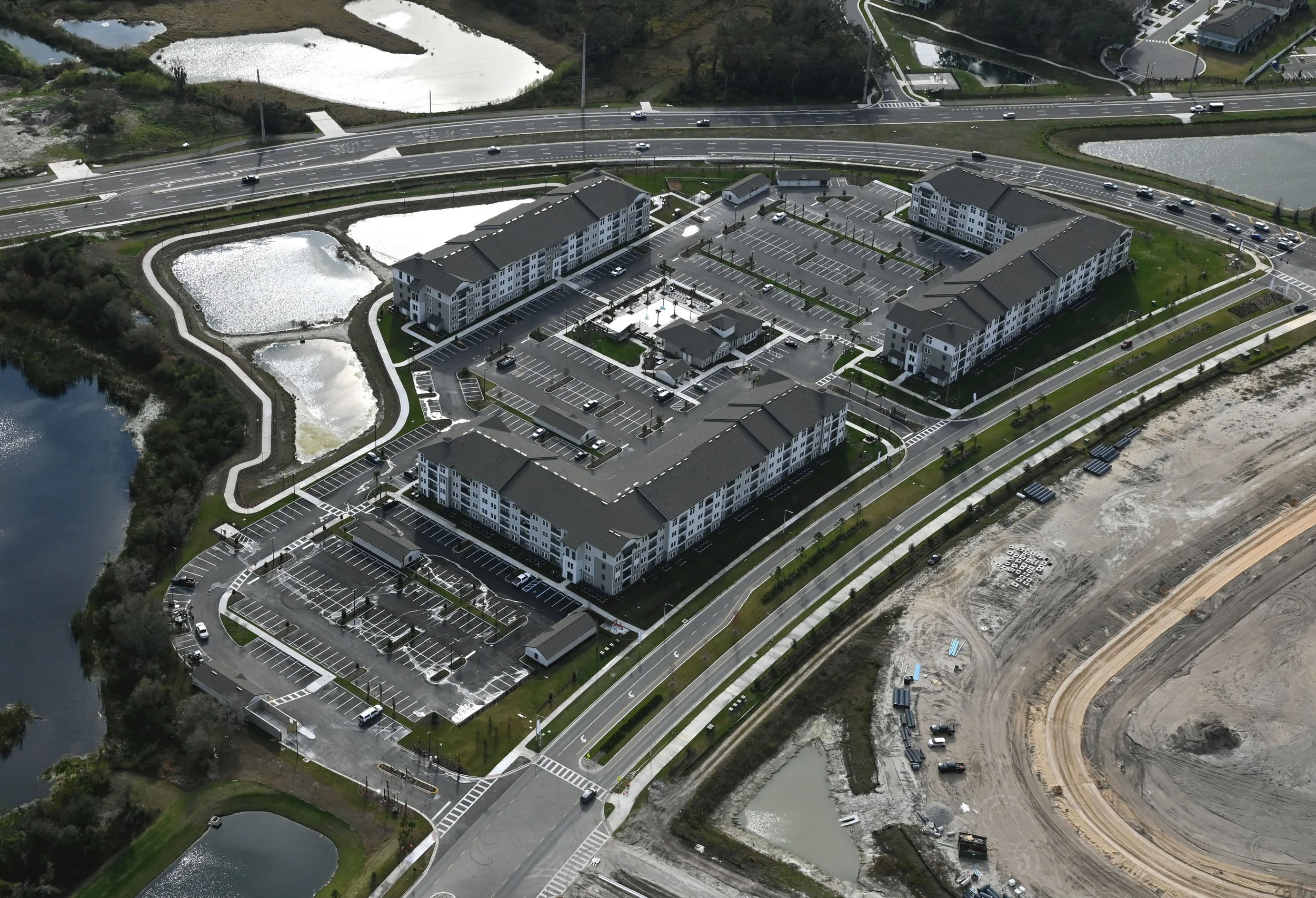
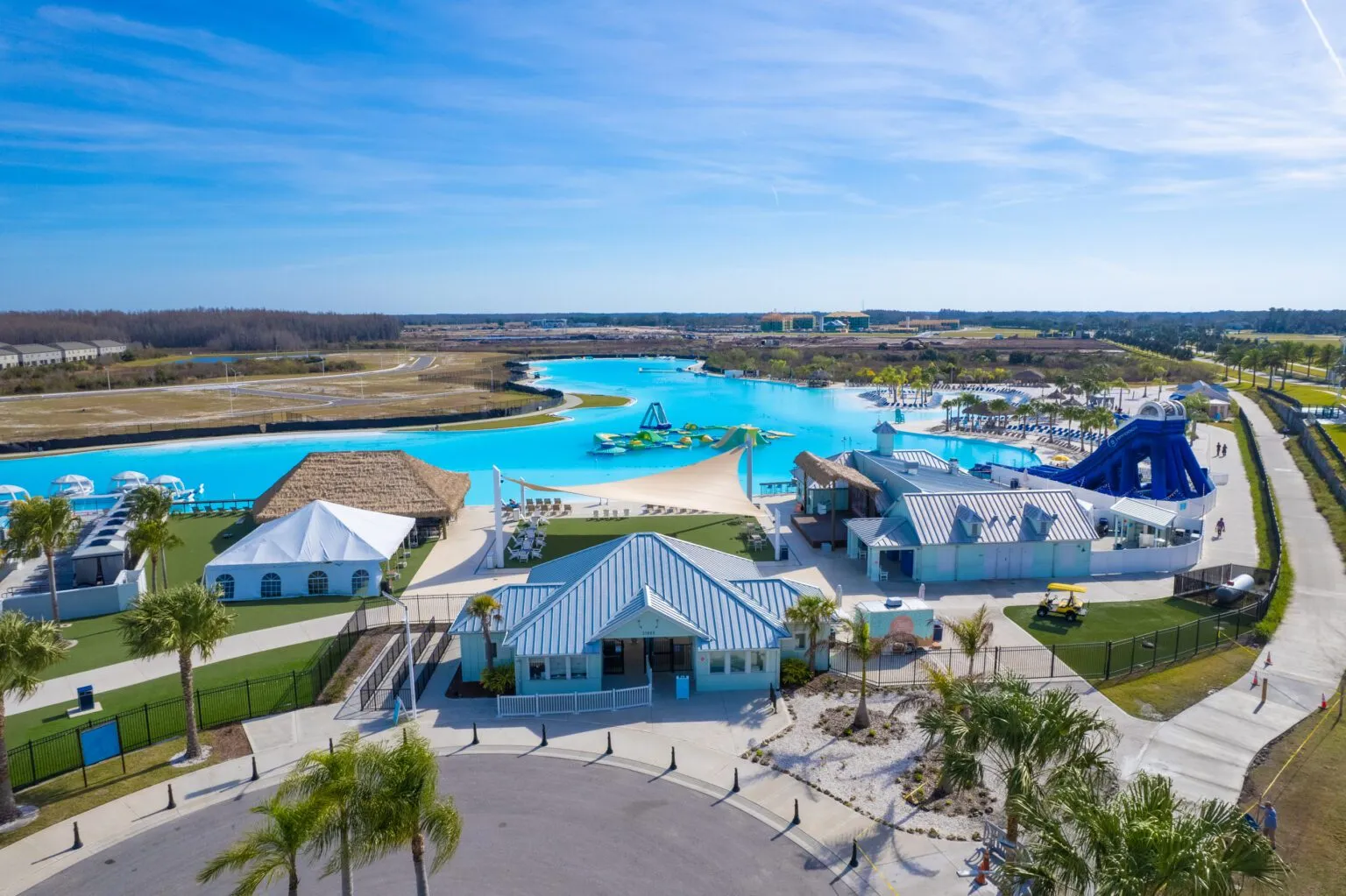
CDD fees: Community Development District fees are common in newer Tampa Bay communities. They typically add $1,500-$4,000+ per year and are essentially a second property tax for infrastructure like roads, drainage, and amenities. These don't exist in most of the country.
Do the full math before you move. For many people, the net savings are still substantial. But for some - especially if you're buying in a flood zone with high insurance costs and CDD fees - the gap is smaller than you expected.
Ten things that surprise every relocator
1. The summer humidity is oppressive. We're talking 74% average humidity from June through September. Your outdoor lifestyle from April through October looks very different than it does November through March. Afternoon thunderstorms are nearly daily in summer. If you hate being hot and damp, this is a serious quality of life issue.
2. You need a car. Period. Outside of a few blocks of downtown St. Pete, Tampa Bay has no functional public transit. No subway. Limited bus service. The SunRunner in St. Pete is a step forward but serves one corridor. If you're coming from a city where you walked or took the train everywhere, this is an adjustment.
3. Insurance is a second mortgage. I covered this in detail in my insurance guide, but the combined cost of homeowners + flood + hurricane deductible exposure is the #1 financial surprise for Tampa Bay relocators. Budget $4,000-$10,000+/year depending on your property and flood zone.
4. The property tax resets at purchase. The seller's tax bill on the listing? That's their bill. Not yours. When you buy, the property is reassessed at your purchase price. Your taxes could be double or triple what the previous owner was paying.
5. Hurricane season is real. June through November. After Helene and Milton in 2024, this isn't theoretical for Tampa Bay anymore. You need a plan, supplies, and an evacuation route. You also need the emotional bandwidth to deal with storm anxiety every summer.
6. Tampa is 30-45 minutes from Gulf beaches. St. Pete is much closer (10-15 minutes), but if you buy in Tampa expecting to pop over to the beach after work on a Tuesday - adjust your expectations. Clearwater Beach from downtown Tampa is a solid 45-minute drive.
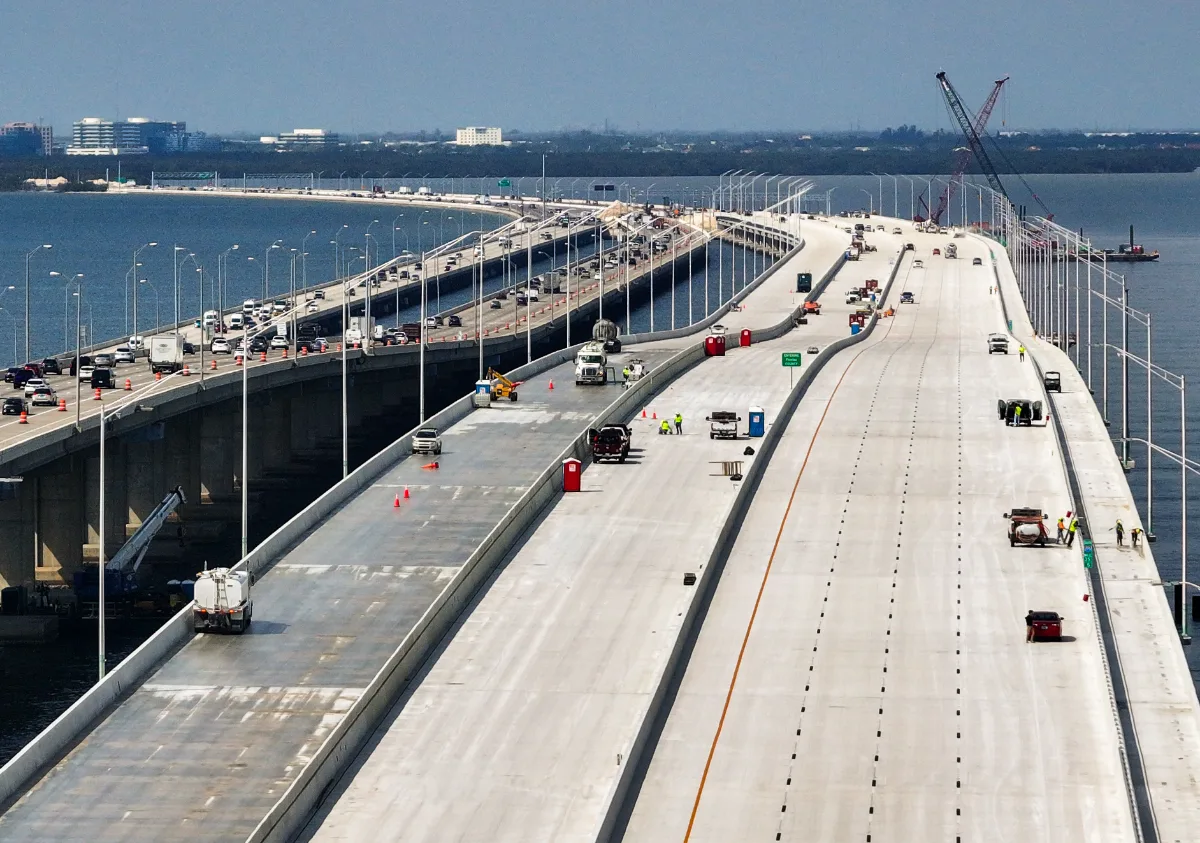
7. Traffic has gotten bad. Tampa ranks among the most congested U.S. cities. Infrastructure hasn't caught up with the population growth. I-275, the Selmon Expressway, and the bridge crossings are painful during rush hours.
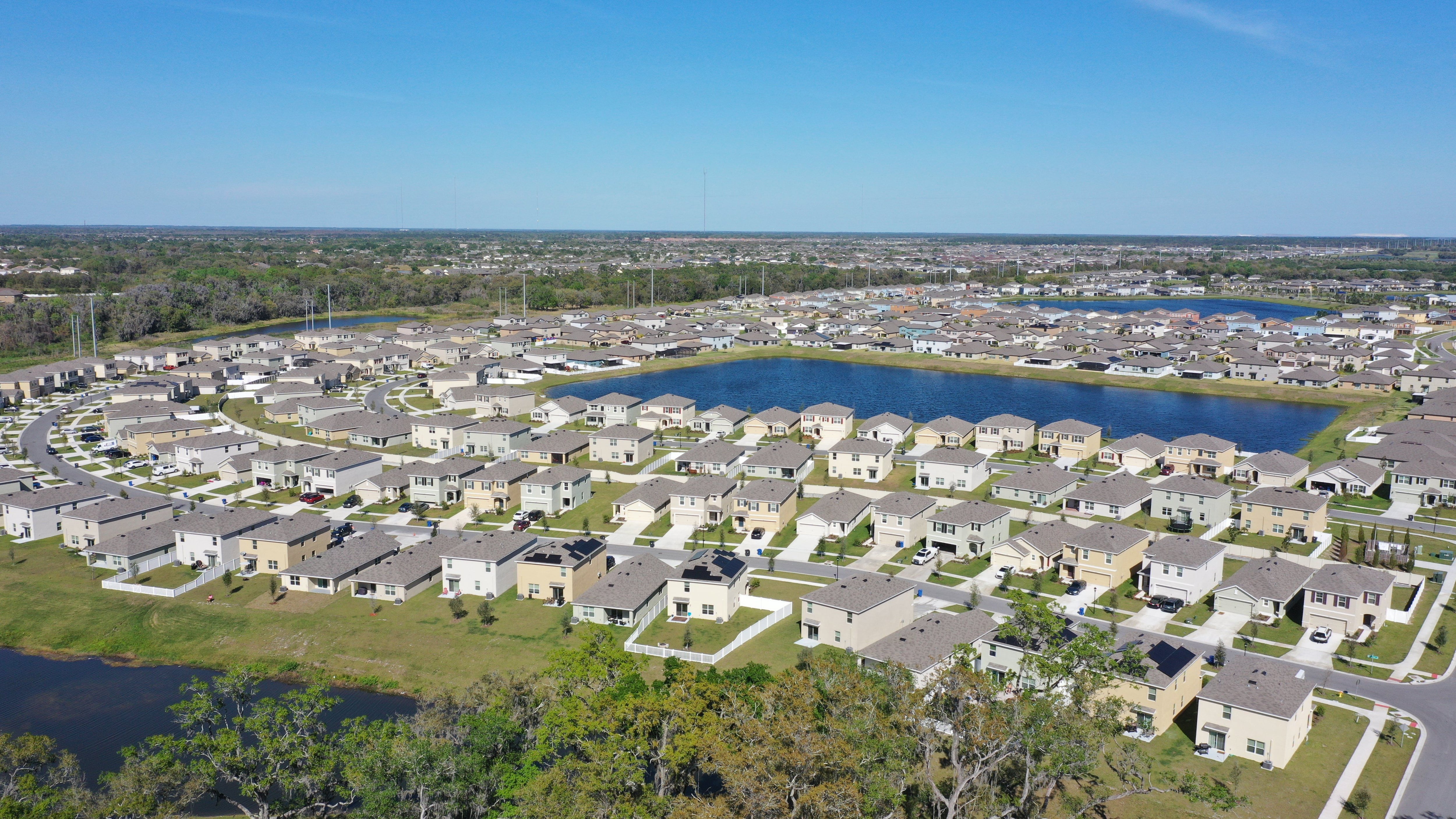
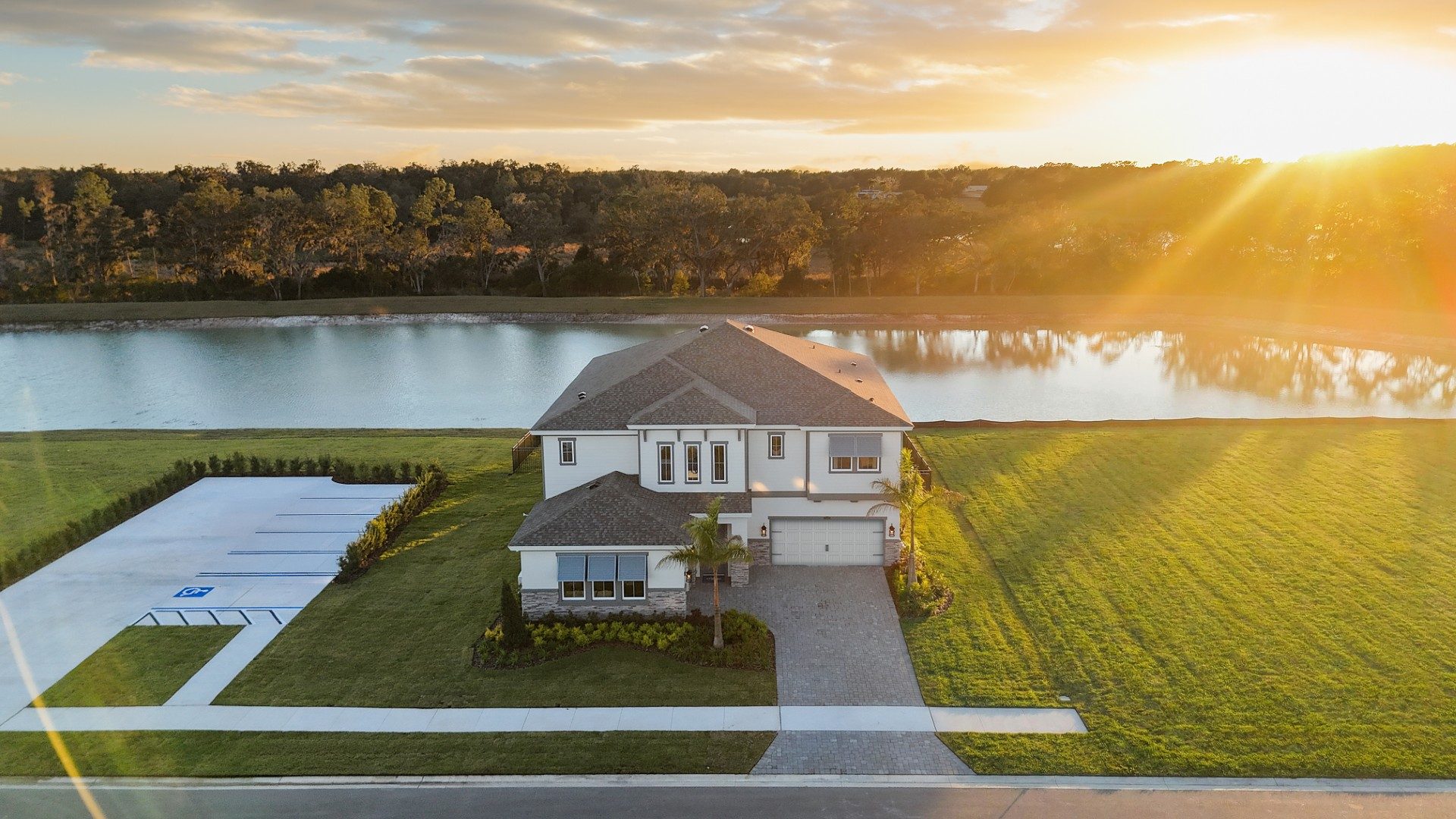
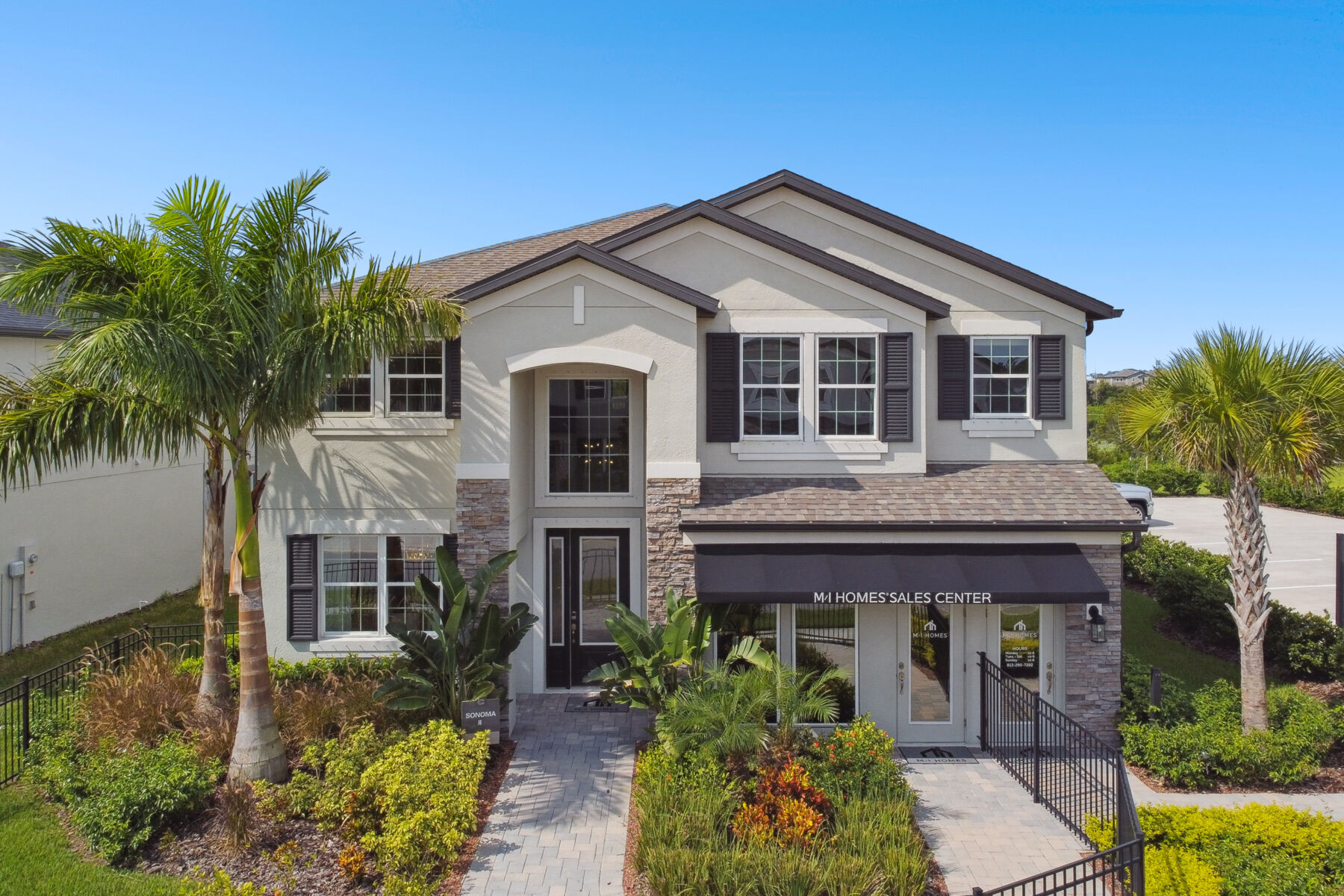
8. HOA and CDD fees add up fast. Especially in newer suburban communities. A "$350,000" home in Riverview or Wesley Chapel might carry $300-$800/month in combined HOA and CDD fees that weren't in your initial budget. Always ask about these before making an offer.
9. There's a seasonal rhythm. Tampa Bay is vibrant from October through April. Snowbirds arrive, restaurants are packed, the weather is perfect. From May through September, it's quieter. Some restaurants reduce hours. Neighborhoods feel emptier. If you're used to year-round urban energy, the summer lull can feel jarring.
10. Not every suburb delivers what it promises. Some newer developments in Pasco and eastern Hillsborough counties are miles from amenities that won't exist for 5-10 years. Drive the neighborhood at 8am on a Monday and 7pm on a Friday before buying. See what the commute actually feels like. See what's actually open nearby.
The single best piece of advice I give every relocator: rent for 3-6 months before buying. Explore neighborhoods. Sit in traffic. Experience a summer thunderstorm. Understand what your insurance will cost. Then buy - with your eyes wide open.
Why people stay anyway
Look, I just spent a lot of words telling you what's hard about living here. So let me balance it out with why I think Tampa Bay is genuinely worth it for the right person.
246 sunny days per year. From October through May, the weather is spectacular. Not just "nice" - genuinely some of the best weather in the country.
World-class beaches. Clearwater Beach consistently ranks in the top 10 U.S. beaches. Fort De Soto is stunning. St. Pete Beach is a postcard. And they're all within 30 minutes.
A booming job market. Tampa Bay's tech sector has grown roughly 30% over the past five years. Healthcare, finance, and defense are all strong. Twenty-nine companies expanded or relocated to the region in just the most recent fiscal year.
No state income tax - compounded over decades. The tax savings aren't just annual. They compound. Over 20 years, a high earner can save hundreds of thousands of dollars. That matters for retirement planning.
The food scene is legit. Five MICHELIN-starred restaurants. Ybor City's Cuban sandwiches. Seminole Heights' craft food scene. St. Pete's Beach Drive dining. Tampa's Vietnamese and Middle Eastern restaurants. This is not the strip-mall dining desert people expect from Florida.
Outdoor lifestyle beyond the beach. Kayaking the Hillsborough River, fishing Tampa Bay, biking the Pinellas Trail, paddleboarding at Fort De Soto, golf 365 days a year. If you're an outdoor person, you'll use it all.
Tampa Bay isn't paradise. Nowhere is. But for people who value sunshine, outdoor access, tax savings, career growth, and a cost of living that's still meaningfully lower than the northeast or west coast - it's hard to beat.
Just come with realistic expectations. Budget for the real costs. Choose your neighborhood carefully. And work with someone who'll show you the flood maps and insurance quotes before you fall in love with a house.
That's my job. And I take it seriously.








%2520(1).webp)





.svg)
.svg)