
.svg)



You're looking at houses in Tampa Bay right now and wondering why everything feels so expensive, so competitive, and so out of reach.
Here's the data that explains your frustration: The region does not have enough homes priced affordably for households earning 80% of the Area Median Income (about $69,500 for a family of four) with an estimated shortage of 80,650 units.
That's not some distant future problem. That's right now. And it's about to get much worse.
Why Tampa Bay builders can't keep up with demand
The math is brutal and simple: too many people, not enough houses.
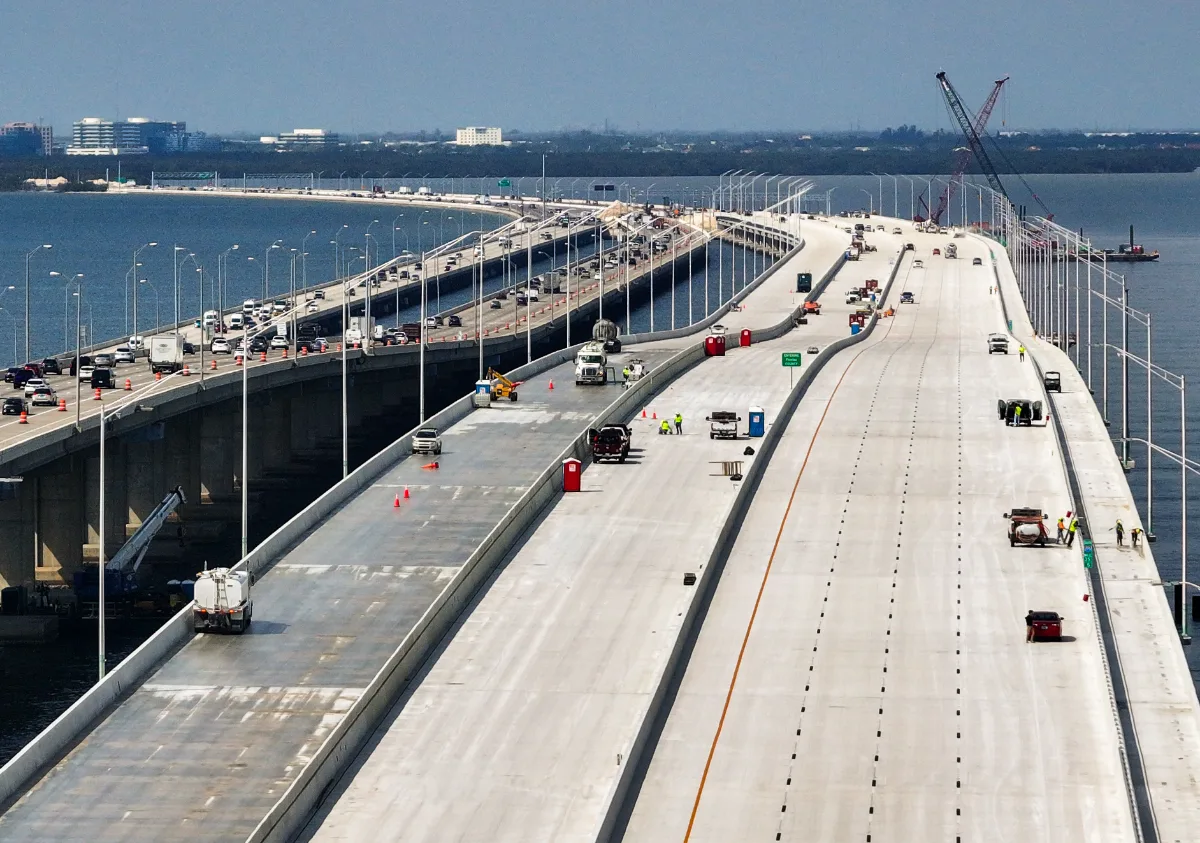
Tampa Bay is projected to add 564,000 residents and 211,000 households by 2035, a surge that will reshape housing needs. The research shows that between 2018 and 2023, the region added nearly 100,000 households but built only 82,000 units, fueling rising costs and widening affordability gaps.
18,000 units short in just five years. And we're supposed to build our way out of this?
By 2035, the region needs to add approximately 254,700 new housing units, an average of 21,225 units per year, to keep pace with projected growth. That includes 10,685 single-family units and 10,540 multifamily units annually.
For context, that's more than doubling current construction rates. In a market where permits are already struggling and builders are dealing with labor shortages, insurance chaos, and supply chain issues.
1. The middle-income squeeze is reshaping entire neighborhoods
Over a third of Tampa families currently spend more than 30% of their income on housing. While Tampa is significantly more affordable than Miami or New York, wages have not entirely kept pace with the 48% surge in rents seen over the last five years.
Here's what this looks like in real neighborhoods:
- Brandon families are commuting 45+ minutes because they can't afford anything closer
- Seminole Heights starter homes now cost what South Tampa condos cost five years ago
- Westchase is pricing out teachers and nurses who used to anchor these communities
Homes under $200K made up 30% of sales in 2019 and dropped to just 5% in 2022. Those entry-level options haven't just gotten expensive - they've essentially vanished.
Focus your search on the 15-20 mile radius around your work. With Tampa's 36-minute average commute already straining families, buying too far out can trap you in traffic costs that eat any housing savings.
2. New construction incentives are your best leverage right now
While resale inventory struggles, builders are feeling the pressure to move units.
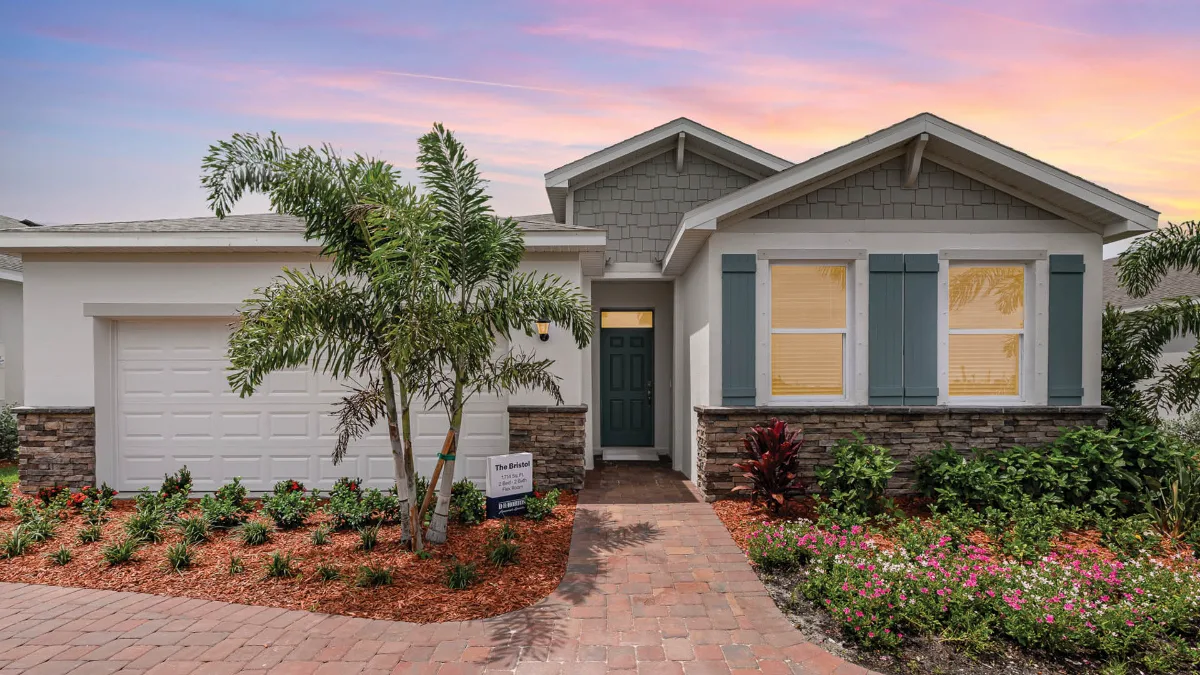
National builders are currently offering aggressive incentives, sometimes up to $10,000 toward closing costs or significant upgrades for those using in-house lenders.
This isn't charity - it's desperation. Builders borrowed money expecting 2022-level demand and now need to clear inventory before their financing costs kill them.
Look for these deals in:
- Wesley Chapel - Multiple communities offering rate buydowns
- Riverview - Builders throwing in upgrades to compete
- New Tampa - Closing cost assistance becoming standard
3. The Tampa Bay Partnership's $273 million solution (and why it matters to buyers)
$273M in gap funding can unlock $663M in additional funding and create $1B in economic impact for Tampa Bay.
Here's the reality: private developers can't solve this alone. The numbers don't work for affordable housing without public partnerships.
The City of Tampa has invested over $25 million into housing affordability. Programs like "Owner Occupied Rehab" and down-payment assistance are available for those who qualify.
These programs exist, but most buyers don't know about them. If you're a first-time buyer or earning under 80% of area median income, you might qualify for assistance that makes the difference between buying and renting forever.
4. Why Tampa Bay's population boom guarantees long-term value
Even with the current pricing chaos, the fundamental demand story is solid.
The Tampa Bay Partnership projects an additional 564,000 residents by 2035. This sustained demand means that while prices are stabilizing now, the long-term value of property in the region remains strong due to chronic under-supply.
More than 497,000 people have moved to the Tampa Bay region since 2020, creating a strong long-term demand base. But migration also responds to affordability, and sustained cost pressures could slow that flow.
Translation: if you can afford to buy now, you're buying into a market that has structural demand for the next decade. If you wait for prices to crash, you're betting against 564,000 people who are planning to call this place home.
The region is currently facing a shortage of roughly 80,000 units priced affordably for middle-income earners.
Here's my honest take on Tampa Bay's housing crisis
This shortage isn't going away. As of mid-2026, the "Take It or Leave It" era of Tampa housing has largely ended. We are seeing a healthy rebalancing where inventory is slowly returning to more sustainable levels.
But "sustainable levels" for a market this undersupplied still means competition. It means prices that feel high. It means compromising on location or size or condition.
The good news? The median home price in Tampa is currently hovering between $390,000 and $420,000. While still high compared to 2019, the double-digit annual increases have slowed to a modest 1-2% growth.
If you're ready to buy, this is probably the best market you'll see for the next few years. Not because it's easy, but because it's not getting easier.
Want to see what's actually available in your price range? Let's talk. No pressure.






%2520(1).webp)





.svg)
.svg)