
.svg)



You've probably heard that Tampa Bay's real estate market is "stabilizing" - but here's what that actually means for your wallet. Housing inventory has climbed to 4.3 months of supply, a massive shift from the ultra-lean conditions of the early 2020s. If you've been sitting on the sidelines waiting for your moment, this number tells you everything about what's happening right now.
Here's the thing nobody's telling you: After years of unpredictable swings, bidding wars, and record-breaking price surges, the region finally finds itself in a healthier, more balanced rhythm. But what does that mean when you're trying to decide whether to buy, sell, or wait?
Why 4.3 months matters more than any other metric
Let me put this in perspective. During the pandemic frenzy, Tampa Bay had roughly 1-2 months of inventory. The region now sits at a 5.4-month supply of homes according to some sources, while others report the 4.3-month figure. Either way, we're talking about a fundamental shift in market dynamics.
In real estate, anything under 4 months typically favors sellers. Between 4-6 months is considered balanced. Above 6 months starts tilting toward buyers. The market has shifted dramatically in favor of buyers, with rising inventory up 14.8% year-over-year and a 5.4-month supply of homes.
What this means practically: Buyers have more time to evaluate properties and more of them to choose from. The frantic "make an offer sight unseen" days are over.
"You can't generalize Tampa Bay with broad statistics. The market is 100% niche, so what's happening in one zip code is completely different from what's happening in another." - David Moyer, Smith & Associates Real Estate
The insurance factor nobody wants to talk about
Multiple factors are driving the decline, including skyrocketing insurance costs, hurricane worries, and homes taking longer to sell. This isn't just about interest rates anymore - it's about the total cost of homeownership in Florida.
Expect quotes from $3,500 to $6,000 for a $500,000 home not in a flood zone. That's $300-500 added to your monthly payment before you even factor in the mortgage. These escalating insurance-driven escrow costs are reshaping affordability, influencing buyer qualifications, and redefining financial stability for Floridians.
Here's what I'm seeing: Buyers who qualified for $400K homes six months ago are now looking at $350K properties because insurance ate their budget. Sellers who thought they'd net top dollar are discovering that insurance concerns are killing deals at the inspection phase.
Get insurance quotes BEFORE you make an offer, not after. I've seen too many deals die when buyers discover their insurance will cost $7,000 annually for a home they thought they could afford. The zip code matters more than you think.
Condos are getting crushed - single-family homes are holding steady
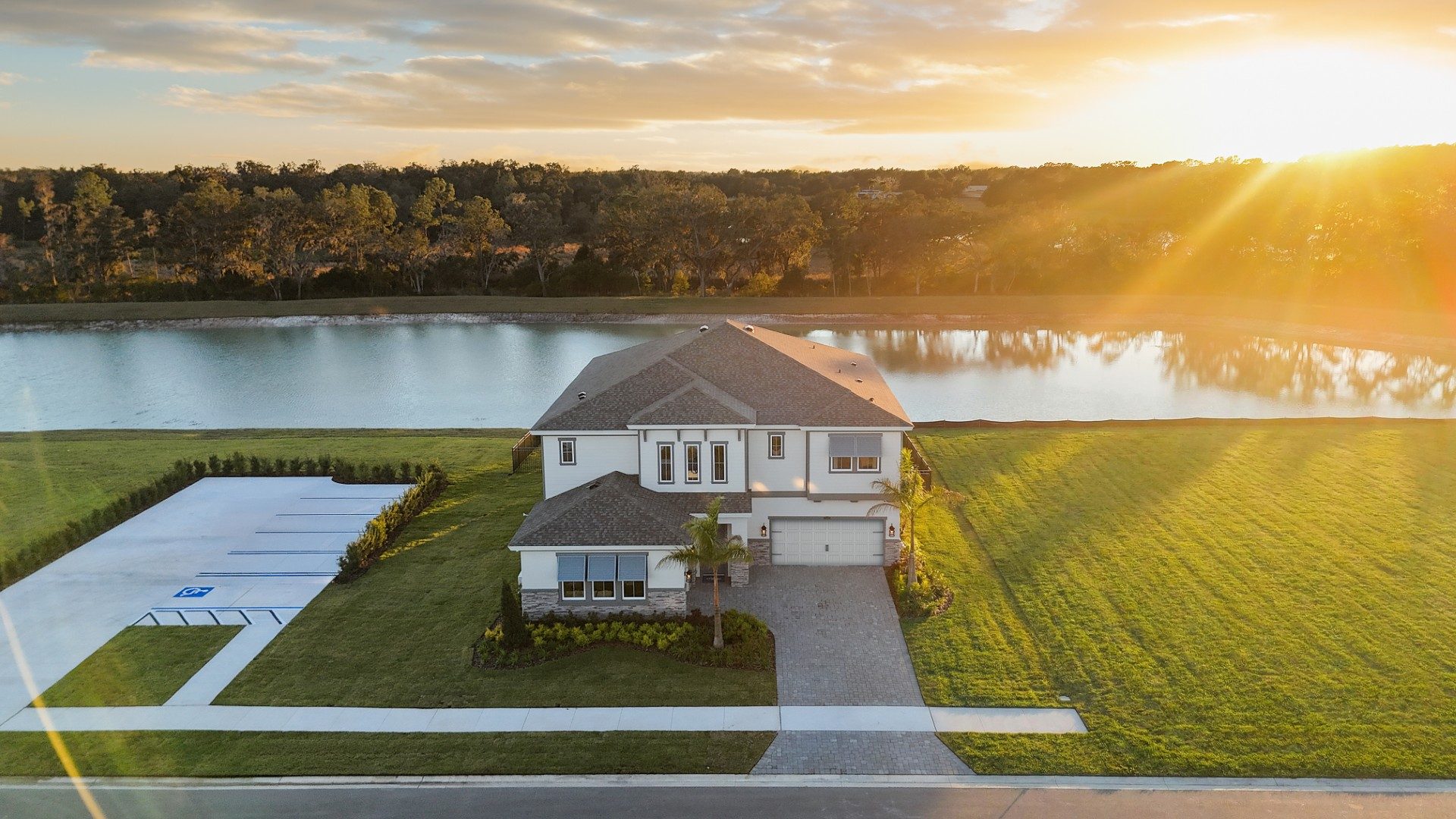
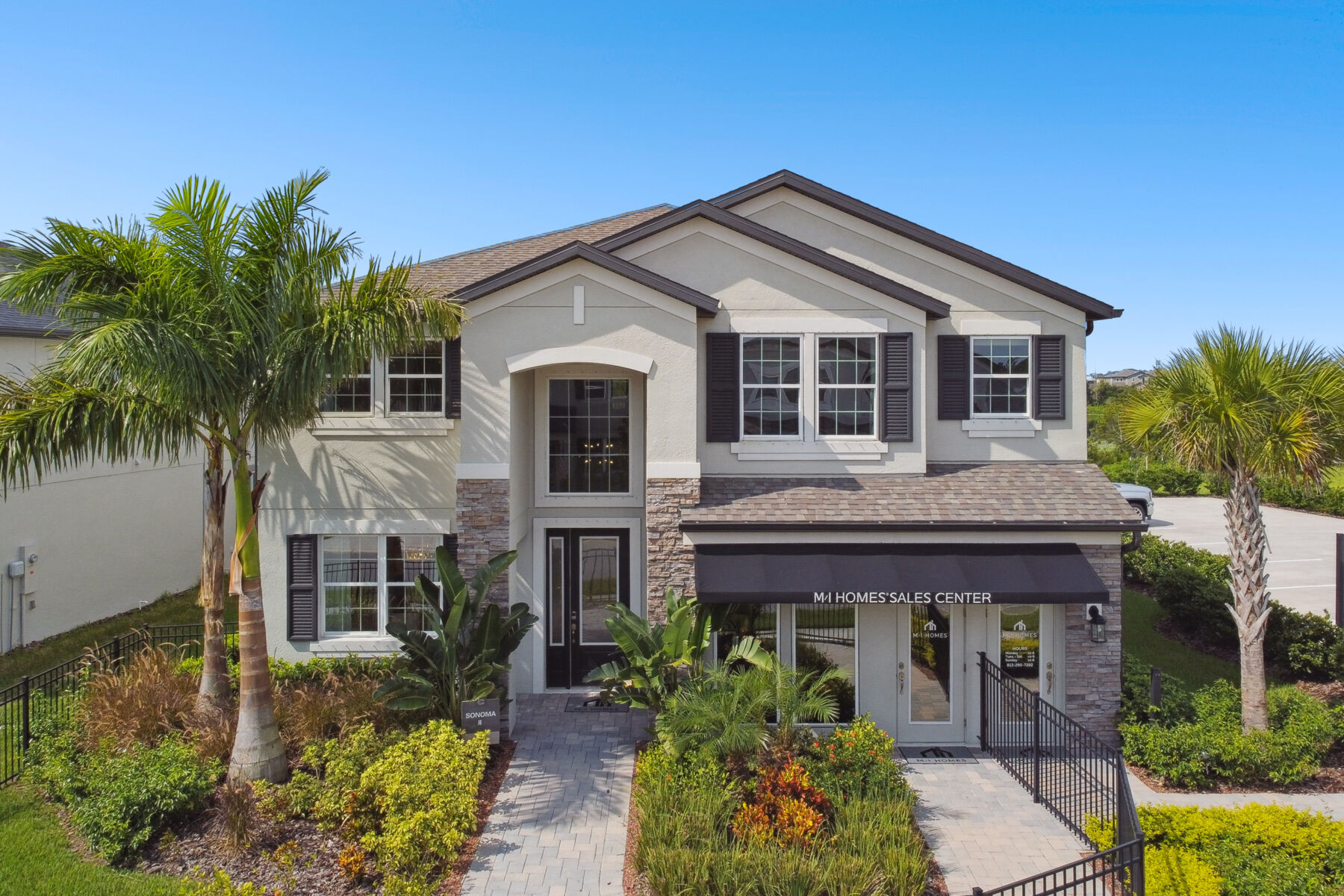
Not all property types are feeling this shift equally. Condos and townhomes have been hit harder than single-family homes, with prices dropping 12% compared to 1.5% for detached homes.
Why the difference? Single-family homeowners control their own insurance and maintenance decisions. Condo owners are at the mercy of association policies and assessments. The condo market is clearly a buyer's market with approximately 13.2 months of supply.
If you're looking at condos in Clearwater or St. Pete, you've got serious negotiating power right now. But do your homework on the association's financial health and recent assessments before you get excited about that "deal."
Where the smart money is moving
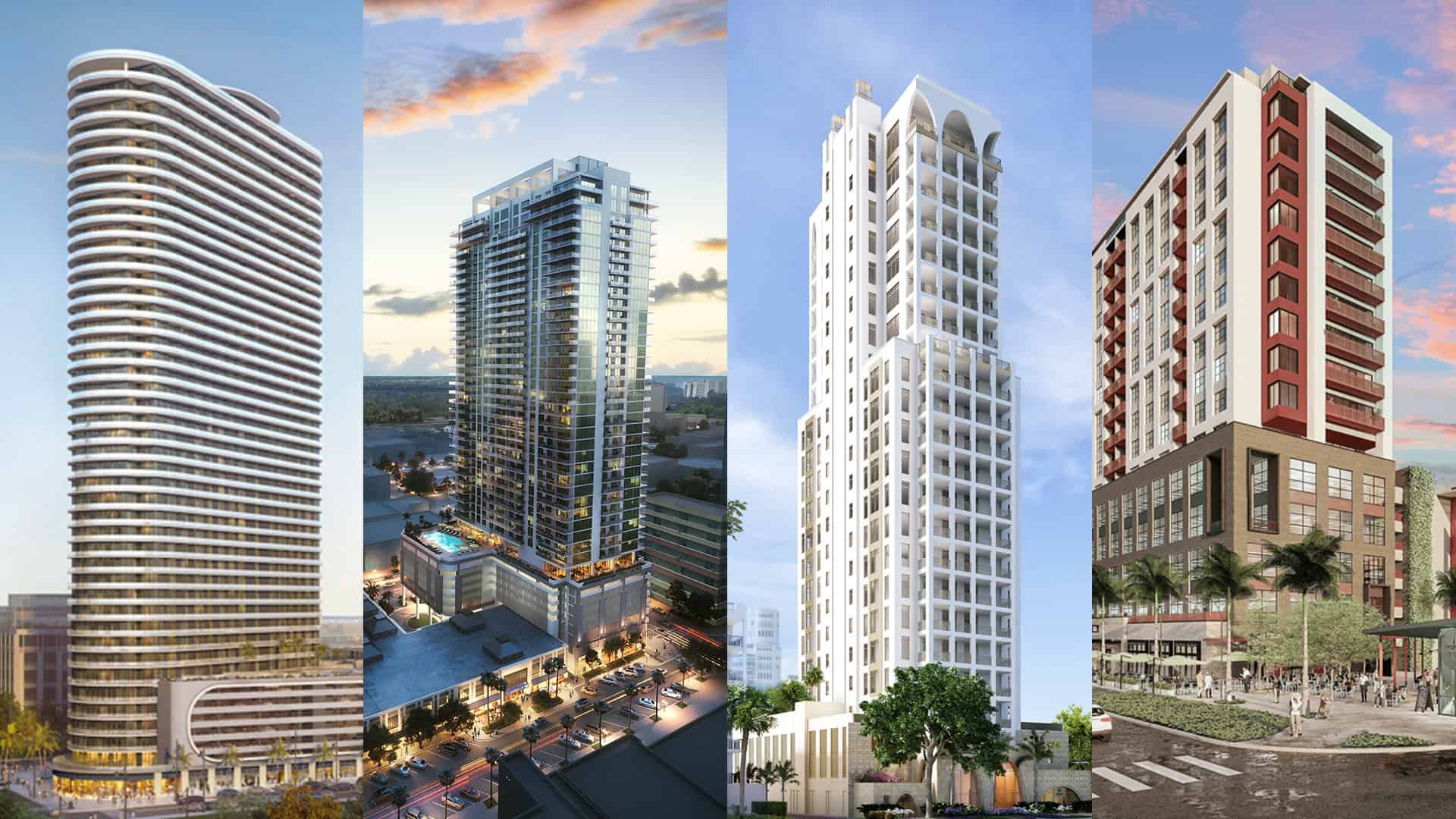
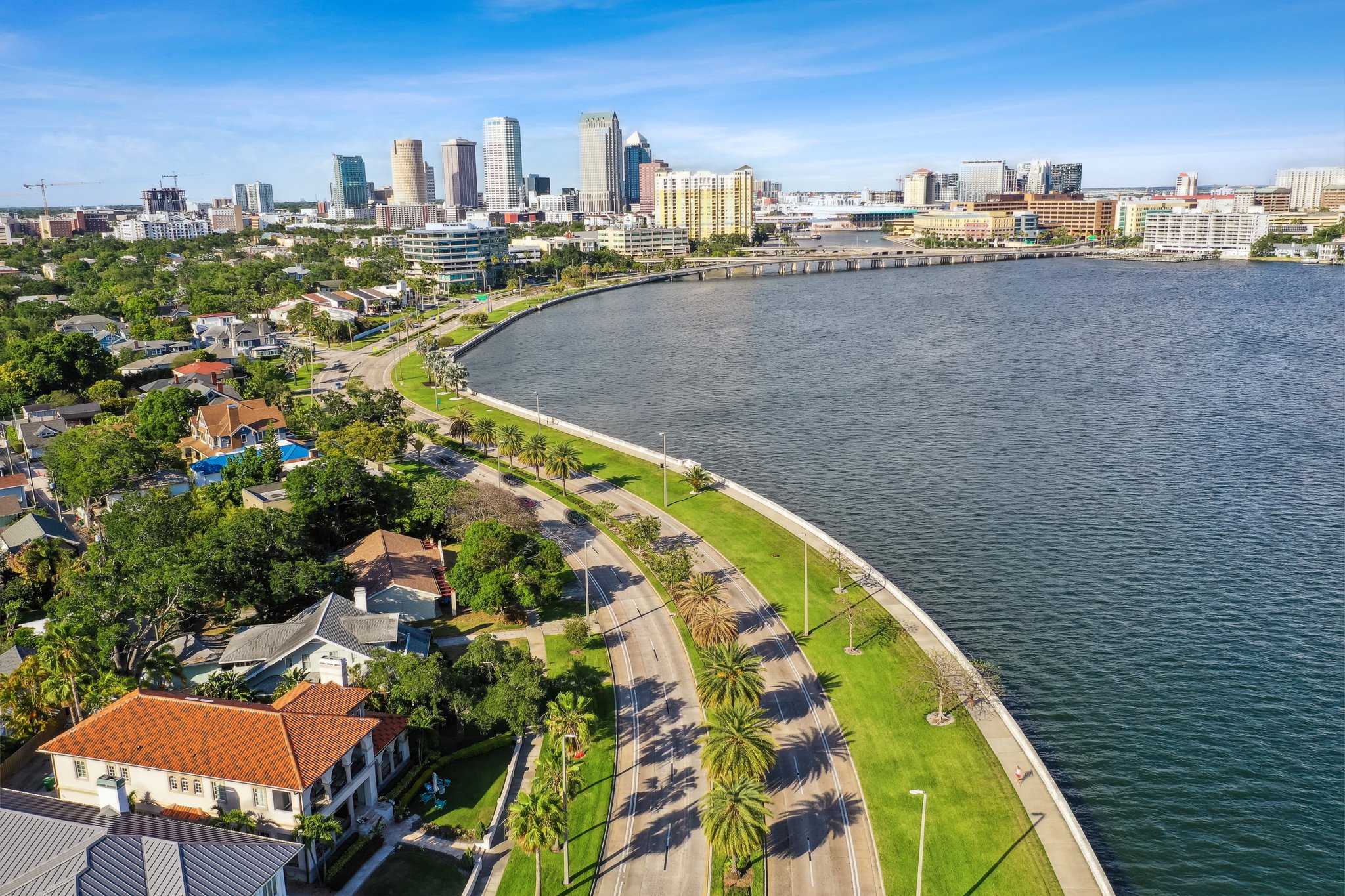
High-net-worth buyers and relocating professionals increasingly choose Tampa for its quality of life: waterfront access, walkable districts, nightlife, arts, and high-end residential design. "They want to walk to restaurants, access the water, and enjoy life while making a sound investment."
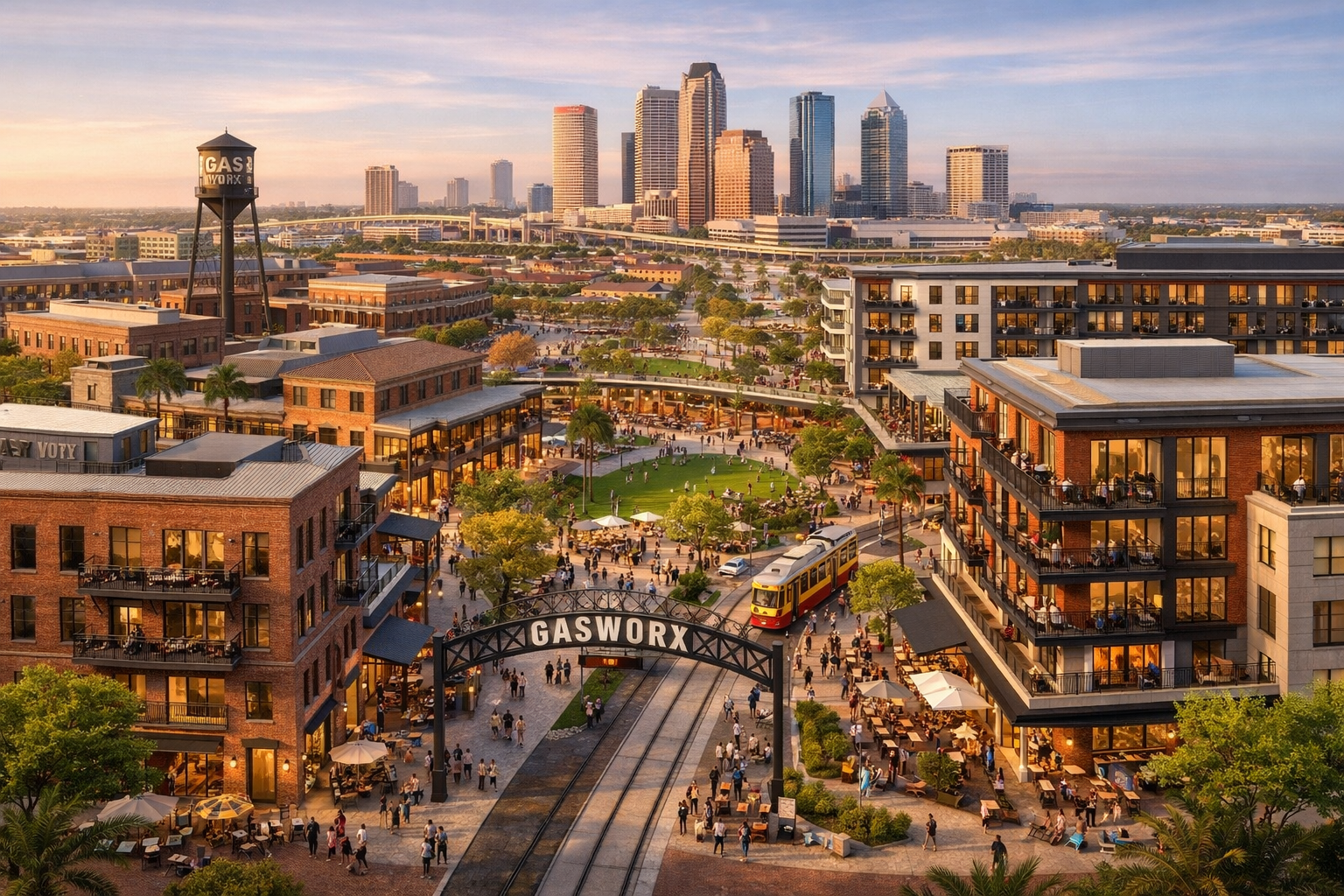
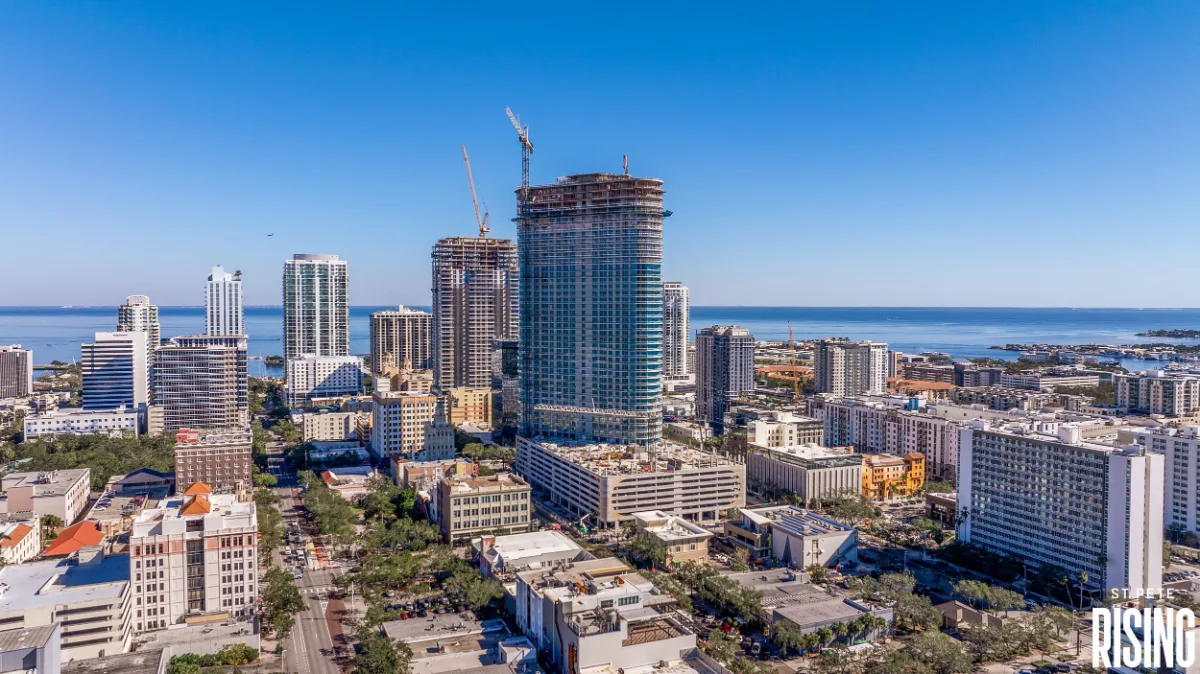
Districts like Water Street, Midtown, Marina District, and the rising Gasworx corridor are reshaping what it means to live and work in Tampa Bay. These aren't just trendy neighborhoods - they're where infrastructure investment is creating long-term value.
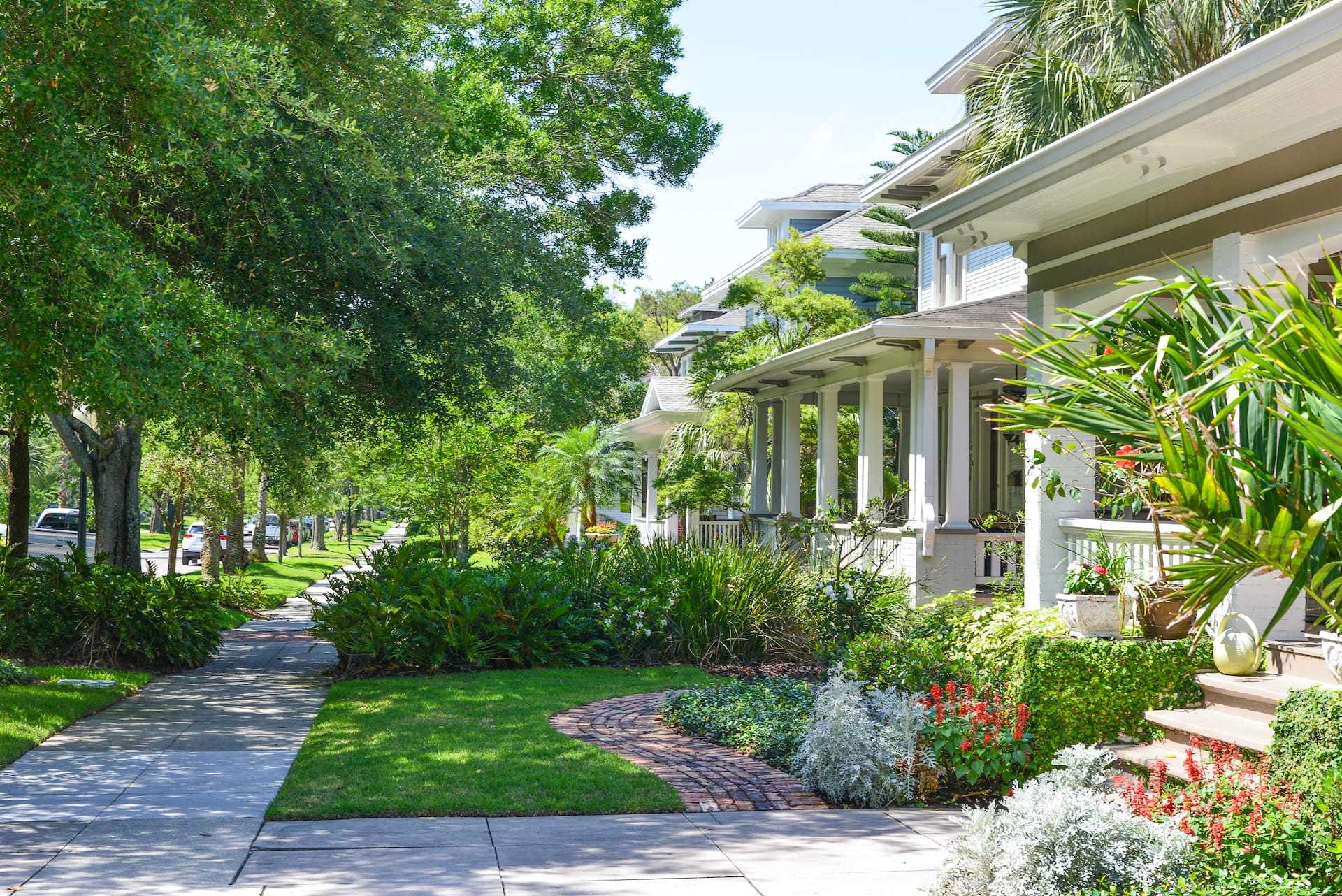
Meanwhile, areas like Seminole Heights, South Tampa, and parts of St. Petersburg are seeing steady demand because they offer the lifestyle piece that relocating buyers want. South Tampa continues to outperform due to school demand and proximity to downtown.
What this means for your 2026 strategy
Let's get practical. With homes now spending an average of 44 to 98 days on the market, the "take it or leave it" culture has faded. In its place, the 2026 Tampa real estate landscape features a resurgence of seller-funded perks designed to move inventory.
If you're buying:
- Negotiate everything. Sellers are contributing funds for mortgage rate buy-downs, direct closing cost assistance, and repair credits for storm-resiliency upgrades.
- Take your time. The inventory is there. You don't have to settle for a home that's "close enough" anymore.
- Factor insurance early. Get quotes before you fall in love with a property. Some zip codes are significantly more expensive than others.
- Consider condos carefully. The deals are real, but so are the risks with association finances and insurance.
If you're selling:
- Price it right from day one. Sellers who overprice their properties are finding that they must reduce prices to attract interest.
- Prepare for negotiations. Sellers are paying for rate buydowns, covering closing costs, and agreeing to repairs.
- Highlight insurance advantages. If your home has wind mitigation, impact windows, or recent roof work, make that a selling point.
- Consider timing. If your home needs significant work, you might be better off doing it now or pricing aggressively.
My honest take on where we're heading
Here's what I think happens next. Forecasts for 2026 vary widely, with Zillow predicting a modest 1.3% rebound while Realtor.com expects prices to fall another 3.6%. The truth is probably somewhere in between.
Bringing homeownership costs closer to rental payments is key to helping first-time buyers enter the market and begin building equity. Until insurance costs stabilize or incomes catch up, we're going to see continued pressure on affordability.
But here's the thing: Since 2020, more than 270,000 new residents have chosen Tampa Bay, securing the region's place as one of America's top relocation markets. That demand isn't going anywhere. People still want to live here, work here, and invest here.
The 4.3-month inventory figure tells us we're in a transition period. Not a crash, not a collapse, but a recalibration. The question isn't whether Tampa Bay will continue growing - it's whether you'll position yourself to benefit from that growth or get priced out waiting for conditions that may never return.
Want to dig into what these numbers mean for your specific situation? Let's talk. No pressure, just data and honest advice about what makes sense for your timeline and budget.







%2520(1).webp)





.svg)
.svg)